Kitchen Trends for 2026: A Return to Depth, Warmth and Intentional Design
For years, “modern” meant untouchable. Surfaces that looked better in photographs than they did at seven on a Tuesday evening. Kitchens so pristine you half expected a velvet rope.
In 2026, the mood is changing. Not towards fuss or nostalgia, but towards rooms that feel properly lived in, without losing their composure. The new luxury is calm that survives reality. Fingerprints. Steam. Noise. People.
That shift matters if you are investing in a luxury bespoke kitchen that need to work beautifully, age well, and still feel right when this year’s trends have been forgotten.
The quiet comeback of the working kitchen
Open-plan living is here to stay. So is the desire to keep it looking effortless.
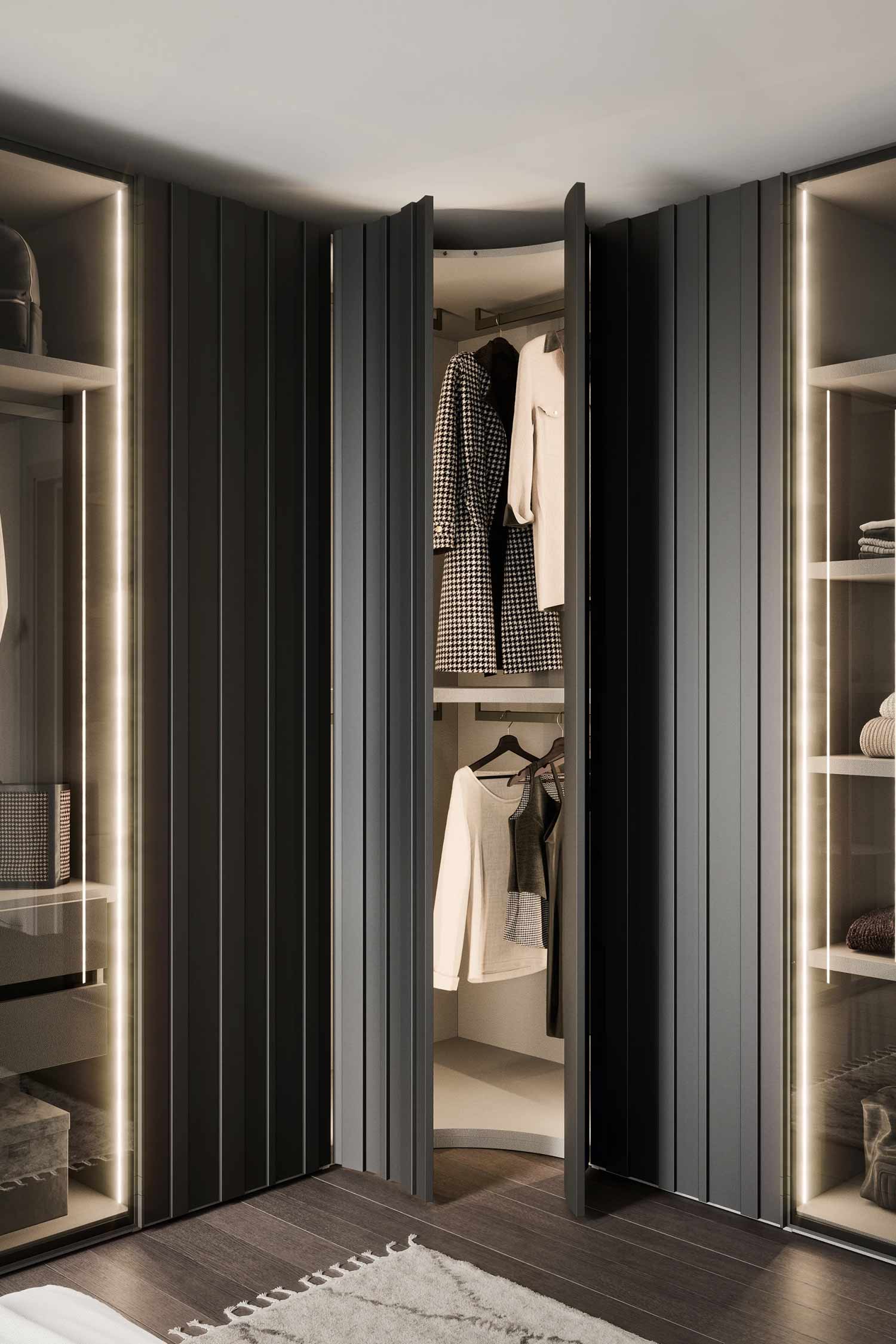
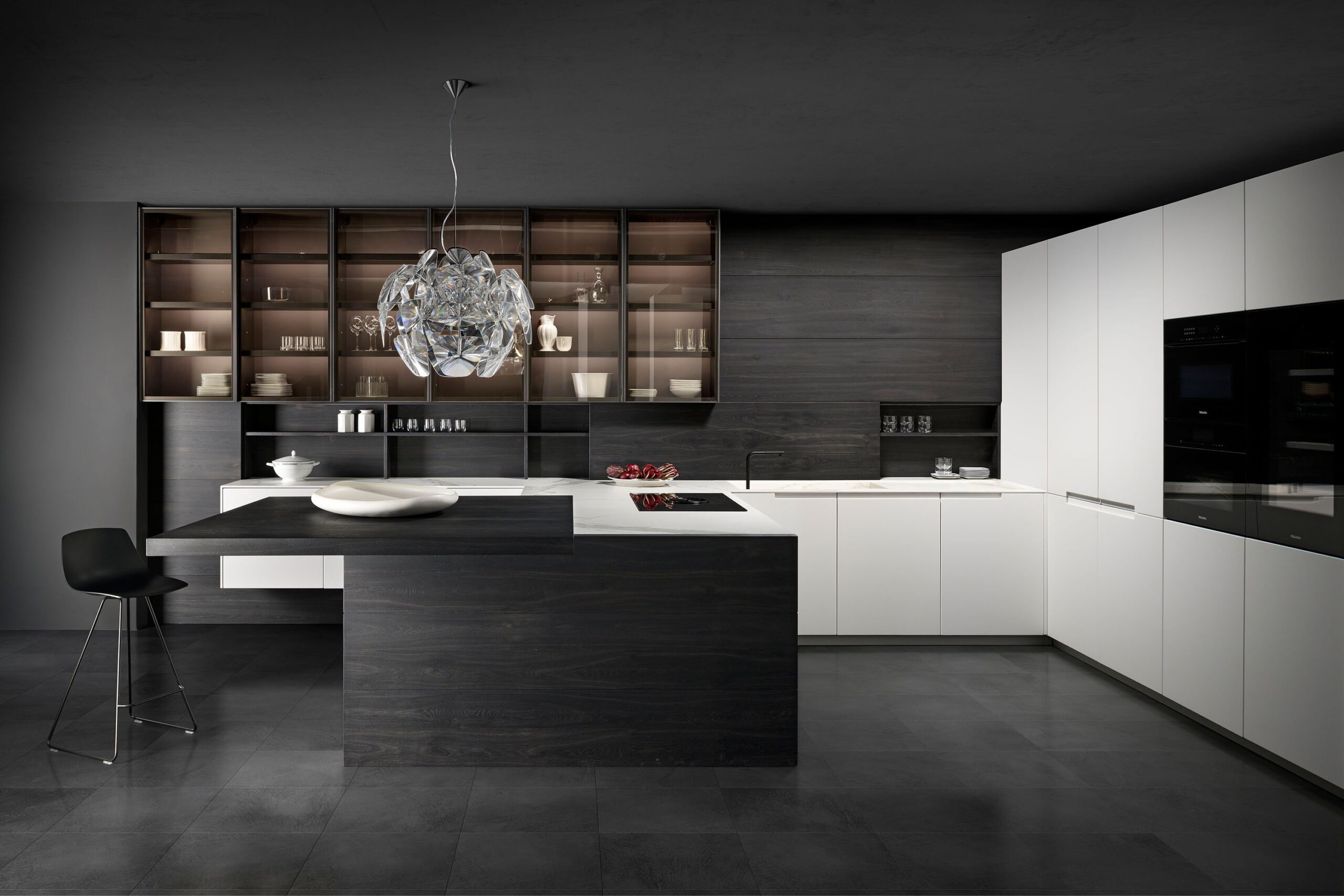
The practical response has been gathering pace: pantries that behave like small rooms, pocket-door appliance zones, prep spaces you can close in one smooth movement. Not hidden away as an apology, but designed as part of the rhythm of the house. A front stage and a back stage.
The best versions of this are not about adding more storage for the sake of it. They are about reducing visual noise. Giving the main space a cleaner line. Letting materials read uninterrupted, without the kettle, the blender, the chargers, the cereal boxes. You still live in the kitchen, you just do not have to stare at everything you own while you do it.
Handleless, but no longer clinical
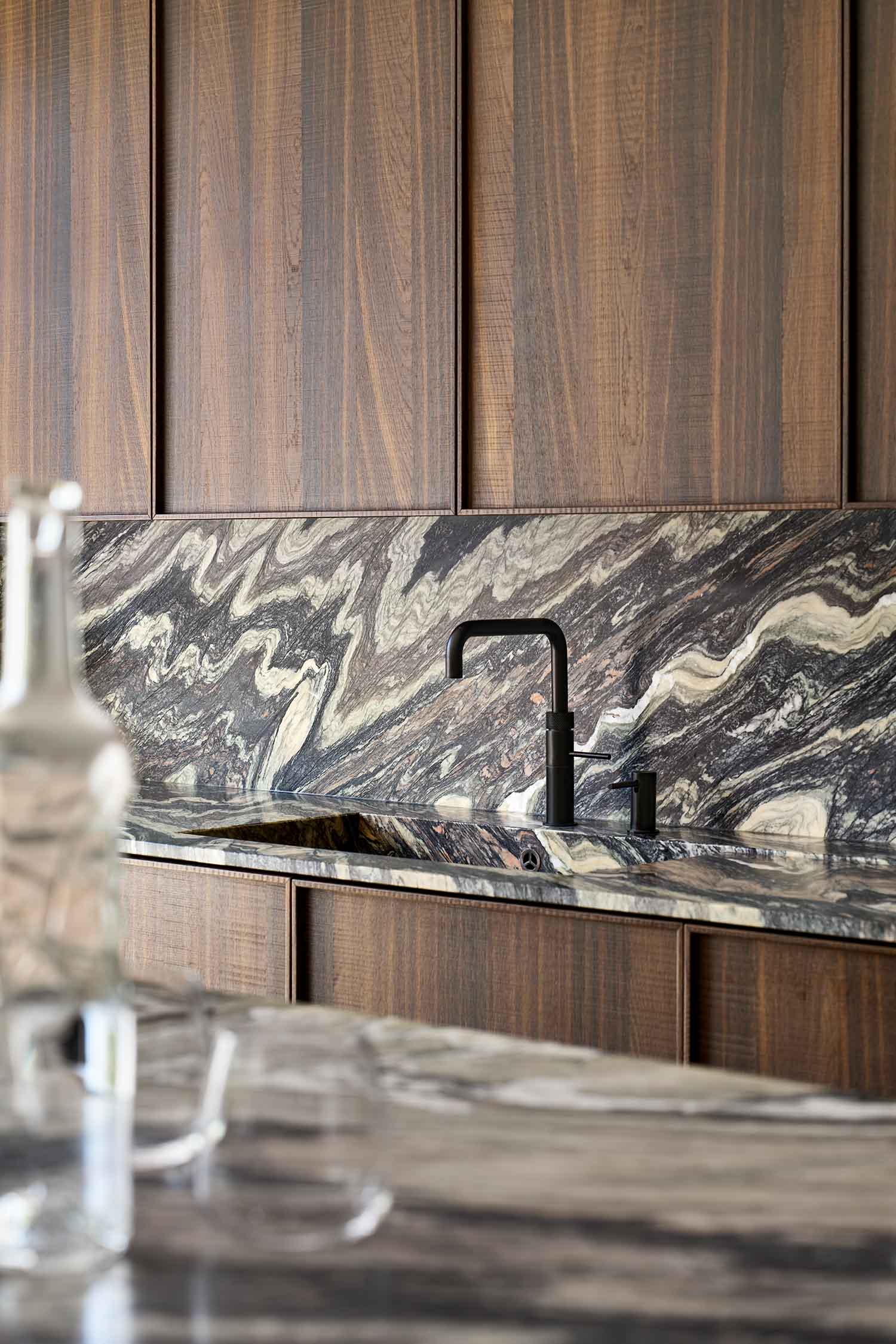
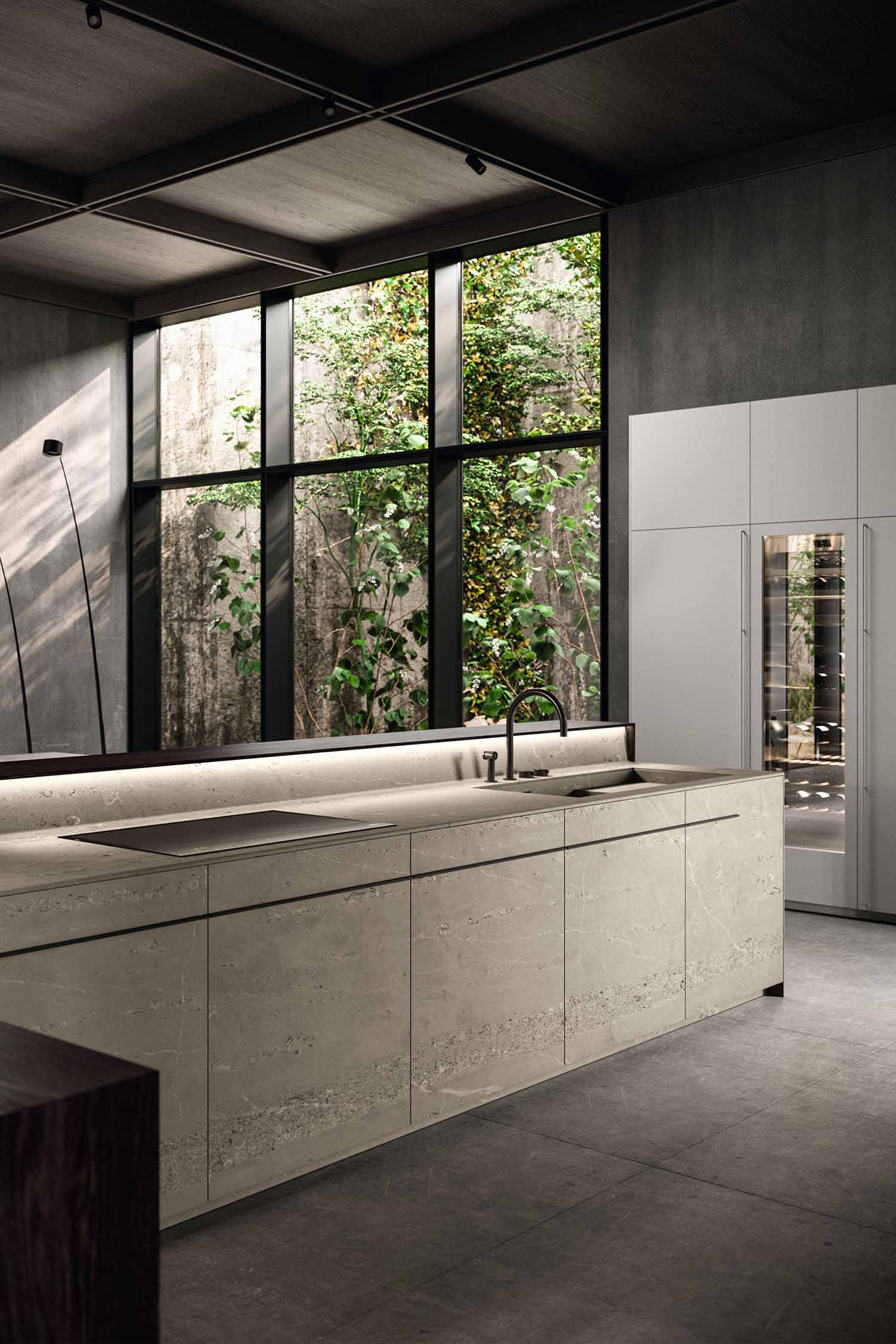
Handleless kitchens have dominated for a while, but the style has softened. The era of showroom-sharp white gloss is fading. What replaces it is warmer and quieter: matt lacquers, smoked timbers, subtler shadow gaps, finishes that look good in daylight and still hold their own under low evening lighting.
Handleless design works when it feels intentional rather than blank. A continuous run of cabinetry only looks expensive if the proportions are right and the detailing is precise. Otherwise, it can look like a hotel kitchenette that has forgotten it belongs in a home.
The standout kitchens for 2026 have a better balance: restraint, plus depth. A calmer line, plus richer material.
Colour returns, with better manners
The most persuasive kitchens this year are not trying to impress you with contrast. They are using colour like architecture.
Deep greens, ink blues, near-black charcoals. You see them on islands, tall banks of cabinetry, sometimes as a single dark “spine” running through an open-plan space. The trick is not to drown the room. It is to anchor it.
Think about how the colour behaves at 8am. Then at 8pm. Think about winter light. Think about how it feels when the novelty wears off and it becomes the background to your everyday life.
High net worth clients rarely want “bold” for the sake of it. They want atmosphere. That is the shift.
Statement surfaces, fewer gimmicks
In 2026, surfaces are doing more of the talking, but in a calmer, more deliberate way.
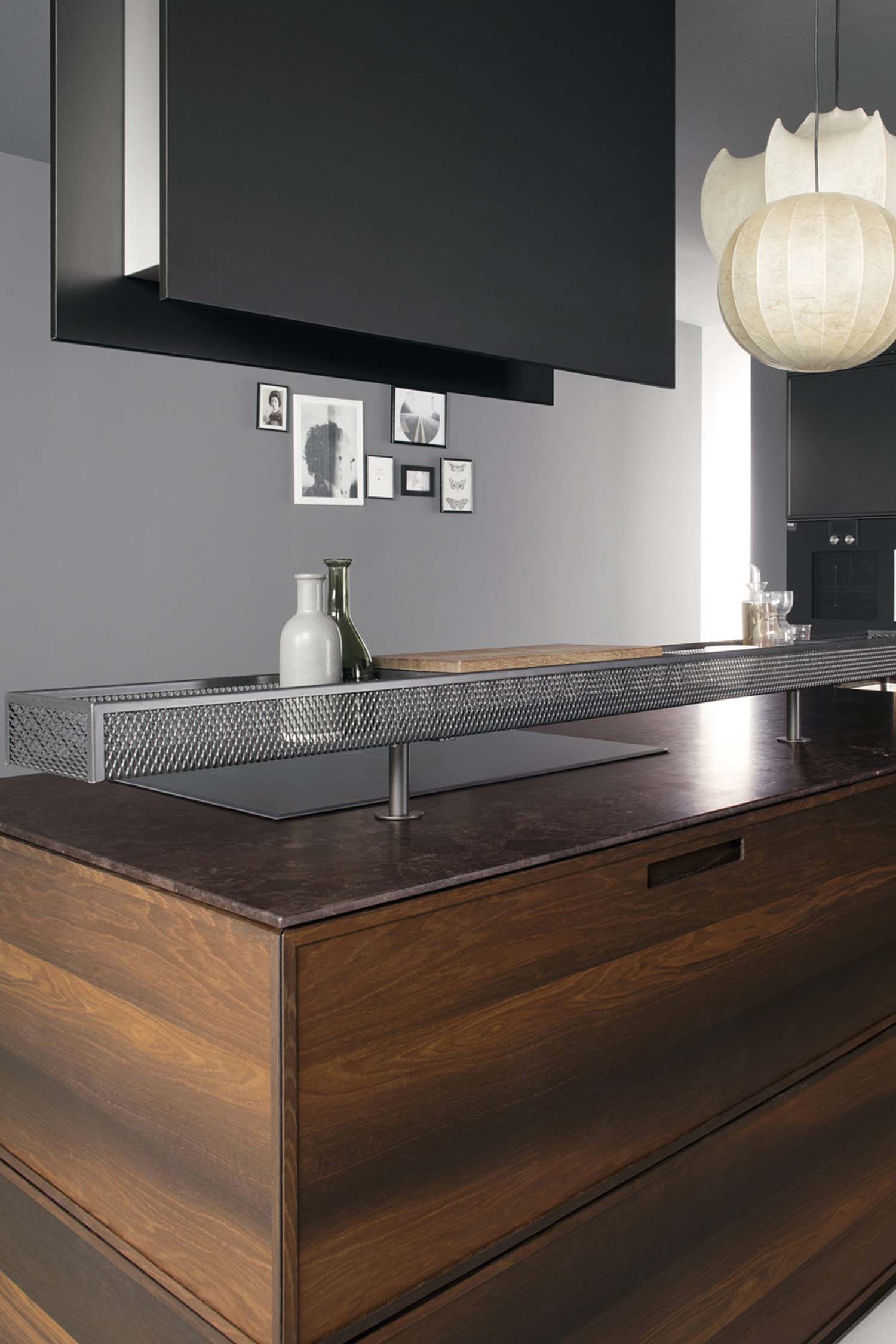
Instead of layering features, designers are picking one element to carry the visual story. A slab with movement. A splashback that climbs higher than you would have expected. A ceramic surface that wraps the island as if it has been carved from a single piece.
This is also where practical luxury shows itself. Not everything needs to be precious. Some clients want the theatre of natural stone, others want an uncompisingly modern finish that stands up to real use. Materials such as Fenix sit neatly in that second camp: tactile, matt, contemporary, and chosen as much for the feel of daily contact as for the way it photographs.
Warm minimalism replaces hard minimalism
Minimalism has not disappeared. It has matured.
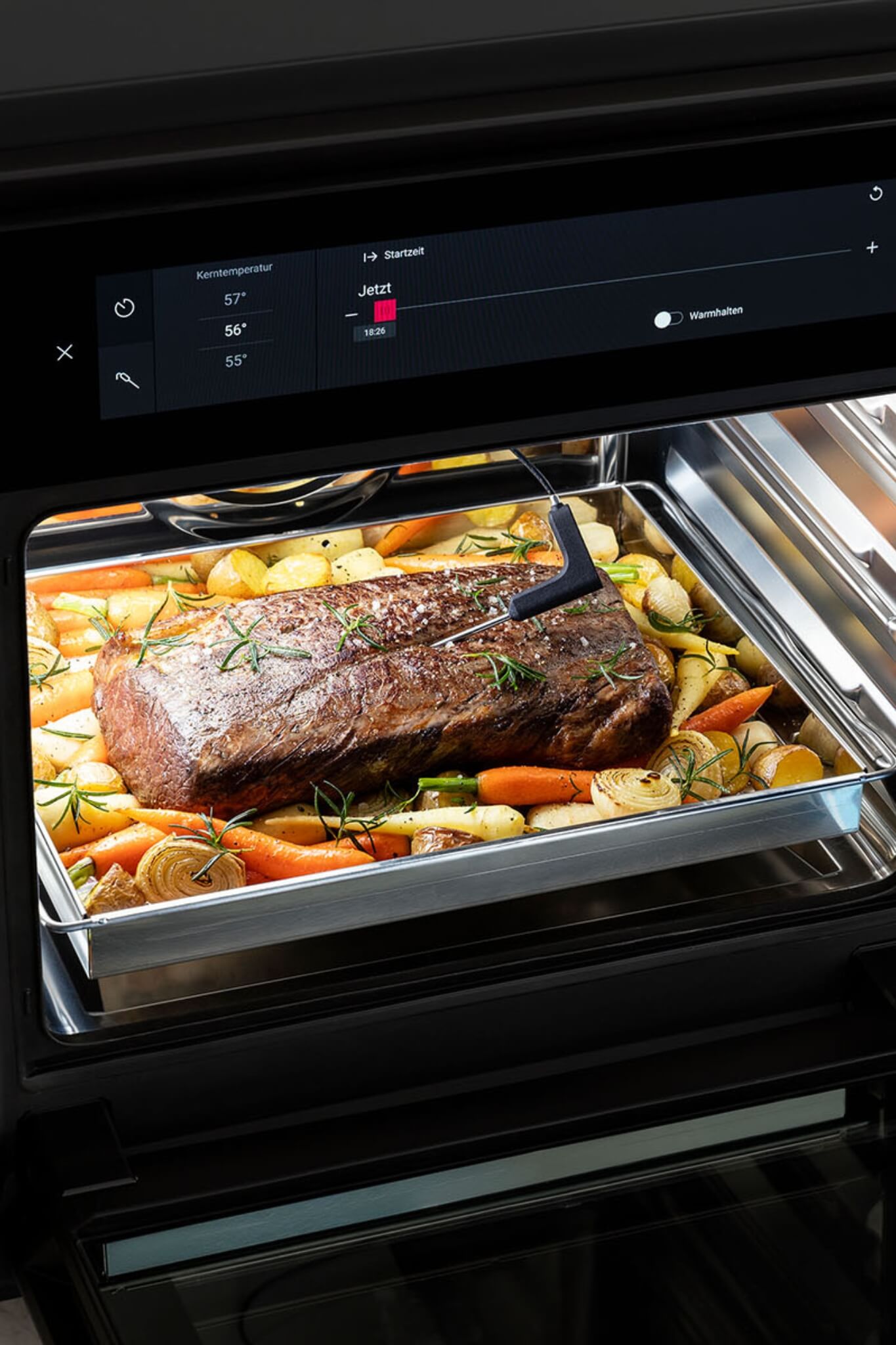
The clean line remains, but it is now paired with warmth. Timber that feels grown-up, not rustic. Matt finishes that absorb light rather than bounce it. Integrated appliances that disappear behind cabinetry so the room reads as architecture, not equipment.
There is a growing appetite for kitchens that feel calm without feeling cold. This is especially true in larger homes where the kitchen opens into living and dining areas. The room must hold its own architecturally while still feeling inviting.
The best examples achieve this through proportion, material harmony and meticulous detailing rather than ornament.
The island becomes social architecture
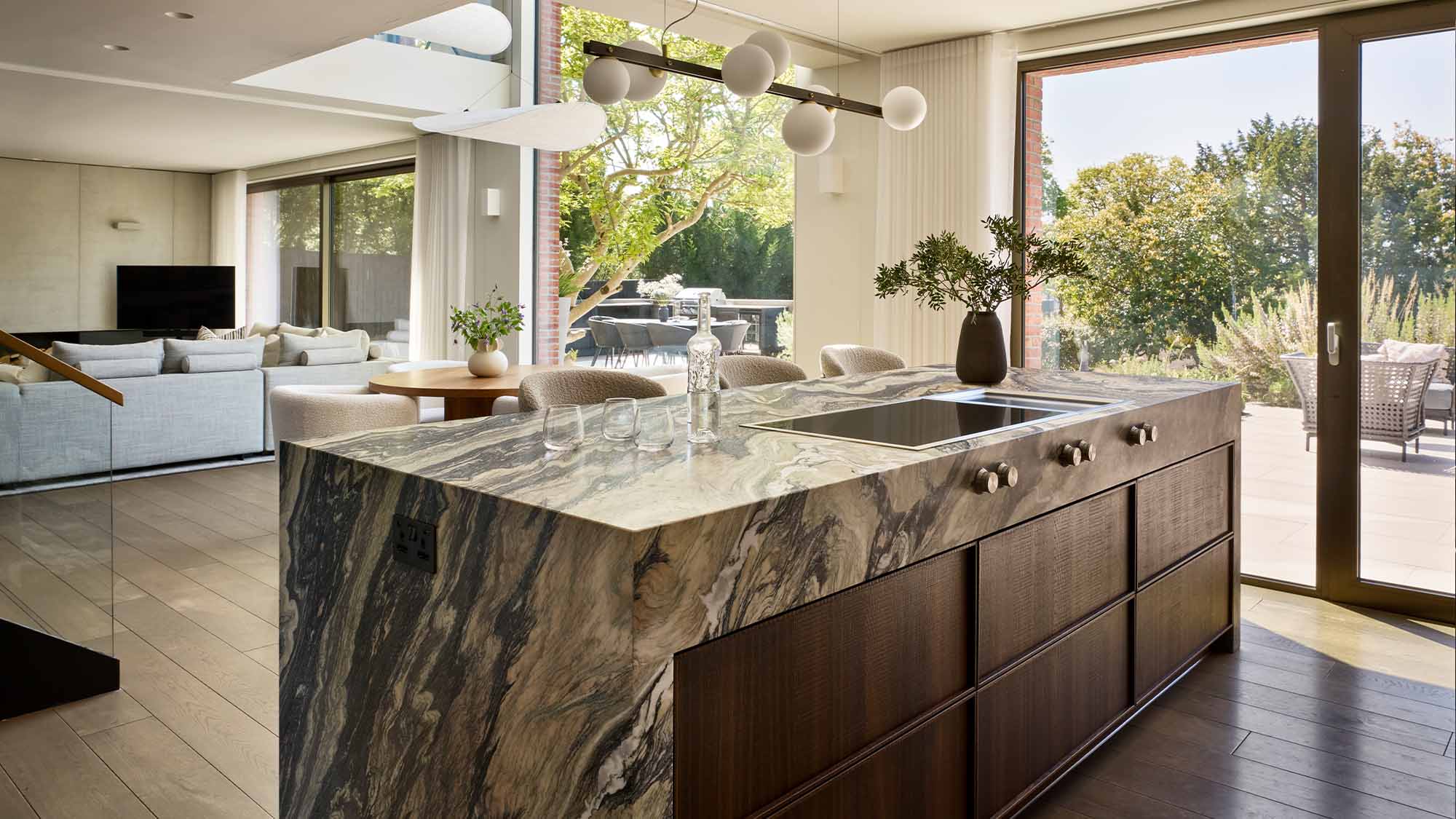
Islands are still the centre of gravity, but they are being treated more like furniture you live around, not a worktop with stools.
Longer overhangs for proper dining. Softer edges. More thought given to where people naturally stand when they talk. Power that is hidden, not proudly displayed. Storage planned around the reality of entertaining: glasses, napkins, serving boards, the bits you do not want in the dining room but do want within reach.
If you are leaning towards an island-led layout, Krieder’s piece on luxury kitchen islands is useful because it tackles the practical side as well as the visual one.
The island is no longer simply functional. It is where guests gather, children complete homework, and conversations unfold. It deserves architectural attention.
Tech, but quieter
Smart kitchens are becoming more common, but the best ones barely announce themselves.
Lighting scenes that shift the mood. Ventilation that is genuinely effective and discreet. Charging that lives inside drawers. Sound and heat considered properly, rather than added as an afterthought.
That intersection of performance and craft is the real story. Krieder addresses this balance in its discussion of smart luxury kitchens , where technology supports the design rather than dominating it.
The defining feature of 2026 is discretion. Technology should enhance the experience of the room, not announce itself.
What is worth paying for when you are paying properly
If you are spending serious money, spend it where it cannot be faked.
Layout. Proportion. Cabinet engineering. Installation. The boring bits, until you realise they are the difference between a kitchen that still feels immaculate in year eight and one that starts to irritate you in year two.
Finishes can be refreshed. Walls can be repainted. Hardware can be replaced. But the fundamentals are either right or they are not.
A note on what luxury really is
There is a tendency to treat “trend” as decoration. In 2026, the trend is closer to philosophy: kitchens designed for real life, but executed with the discipline of good architecture.
“We thrive on surpassing expectation. Delivering world-class interior solutions to our customers – a harmonious marriage of design and engineering.”
Matthew Yeatman
It is a useful way to frame what matters in 2026. Not gimmicks. Not over-design. Just kitchens that feel composed, personal, and built to last.
If you want to see how this thinking translates into design direction, materials, and collections, start here: luxury bespoke kitchens .
The best kitchens in 2026 will not look “on trend”. They will look inevitable. As if the house was always meant to have them.