There’s something quietly powerful about a handleless kitchen. It doesn’t shout. It doesn’t need to. It’s calm. Confident. A study in restraint. And that’s exactly why it’s taken centre stage in high-end interiors across the UK and Europe.
While trends come and go, this one has legs. And not just in magazine spreads or architectural showpieces — but in real homes where form and function go hand in hand.
The beauty of less
Handleless design is as much about what you remove as what you include. Strip away visible handles and you get clean lines, uninterrupted surfaces, and a sense of order that settles the mind.
But it’s not just a visual trick. Removing handles creates space — or at least the illusion of it. It’s why handleless kitchens work just as well in a compact London flat as they do in a spacious countryside new-build.
If you’re working with a smaller footprint, this guide to small kitchens offers clever design strategies that marry form with function.
The tech behind the touch
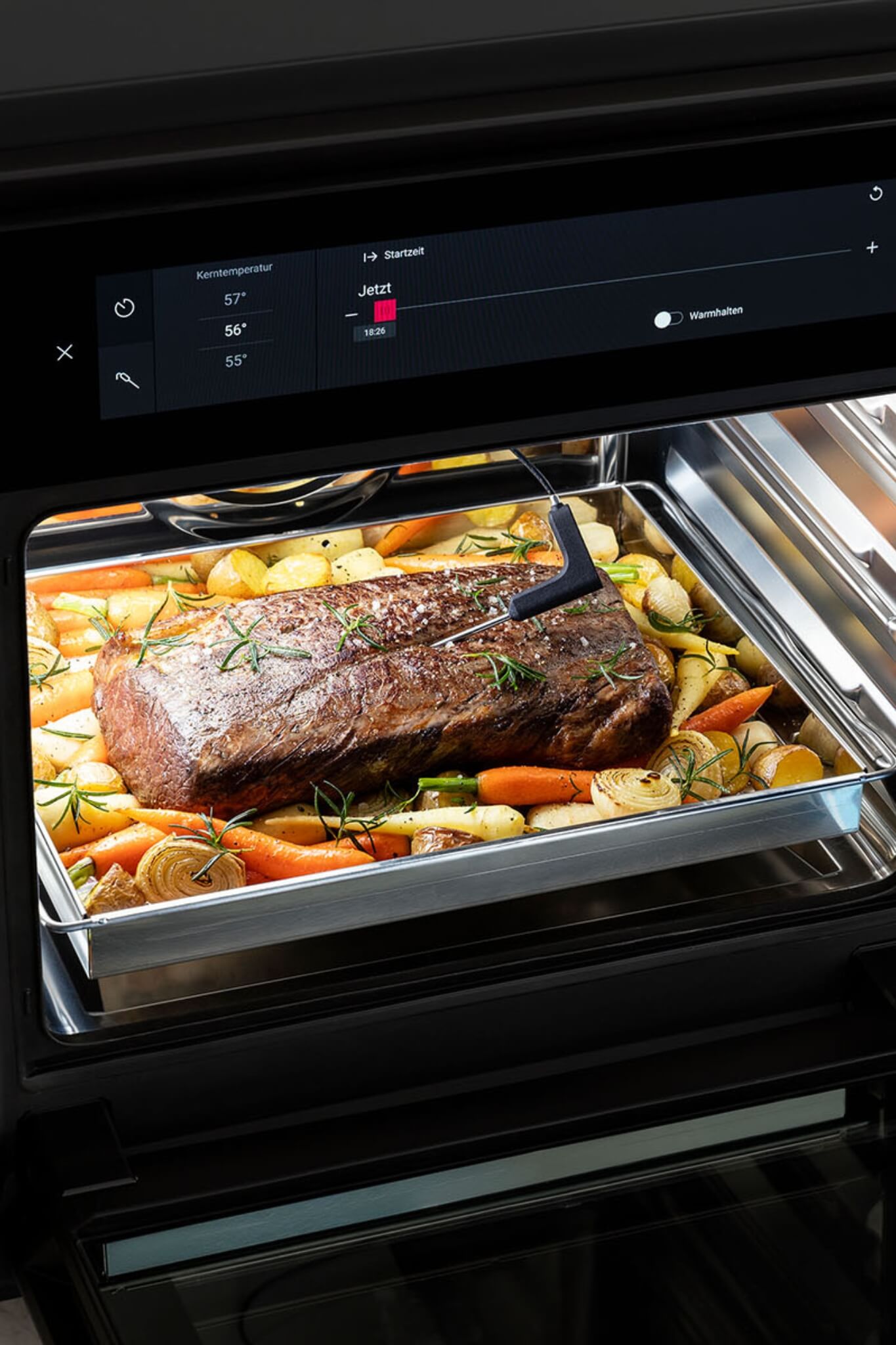
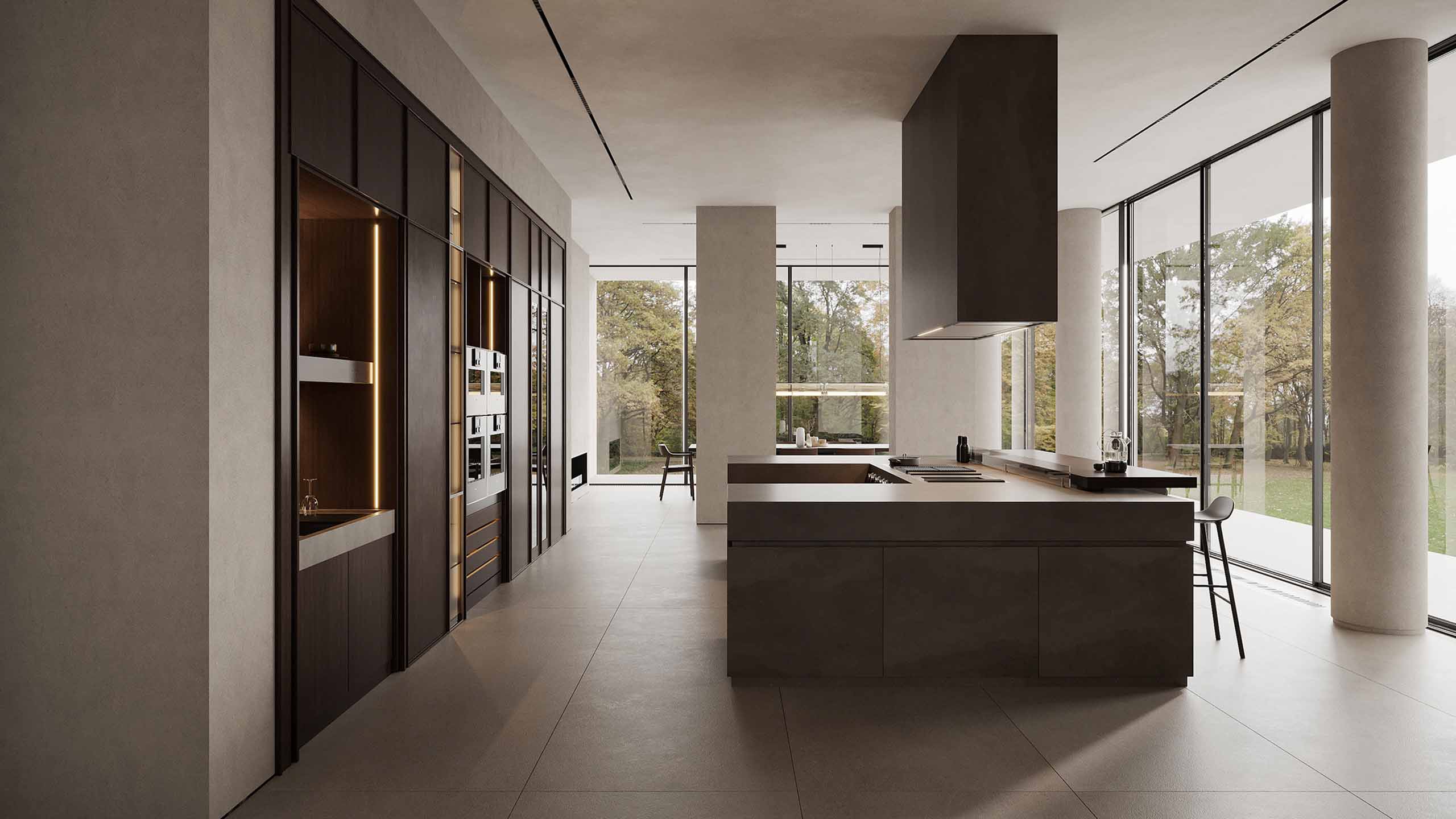
There’s innovation beneath the surface too. Push-to-open mechanisms. Servo-driven drawers. Recessed rails. These aren’t gimmicks — they’re engineered for everyday use, blending tactile ease with minimalism.
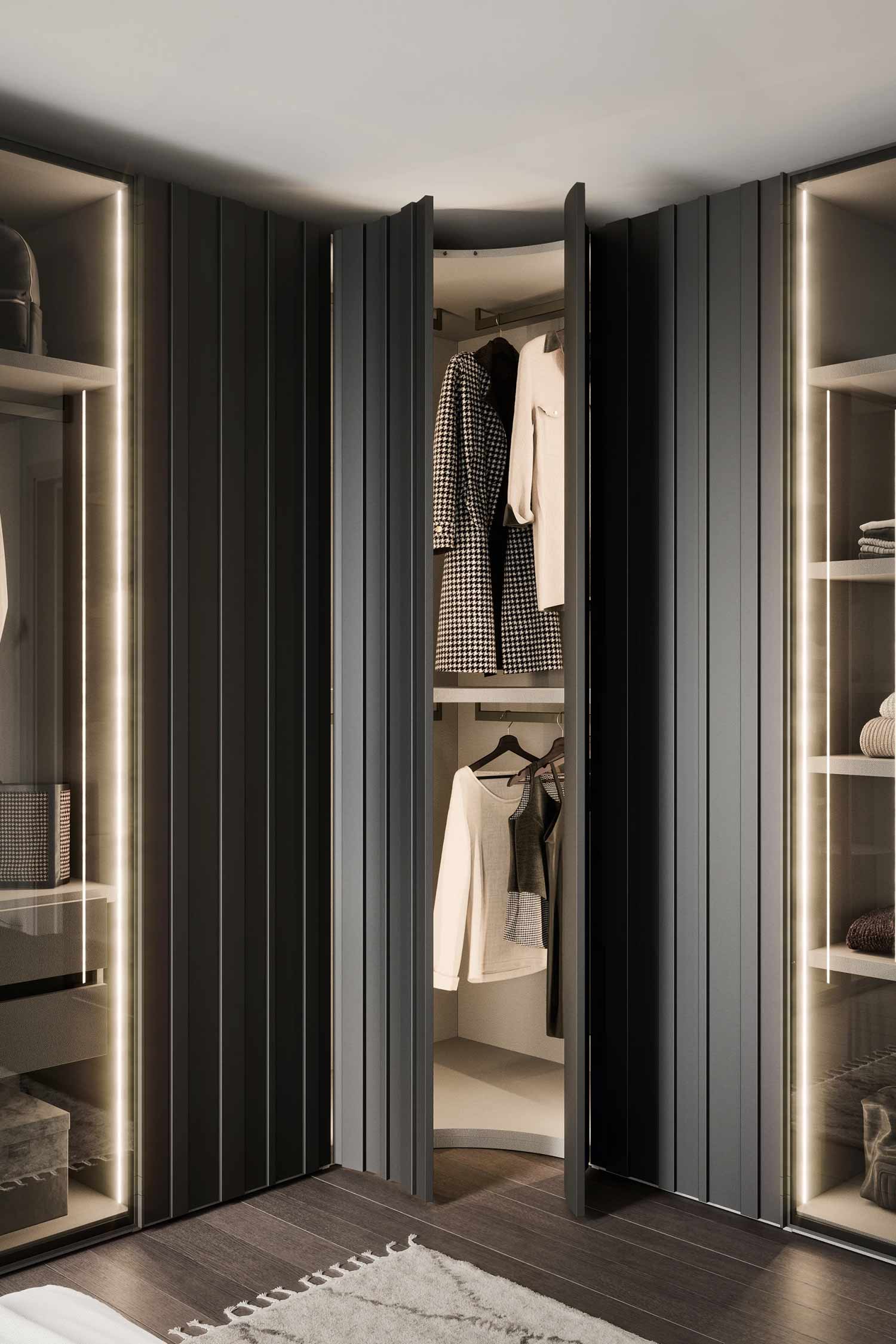
Take the Empire kitchen by Krieder Studio, for instance. It’s a masterclass in subtle contrast — smoked elm tray doors alongside black oak tall units with an integrated frame handle. Handleless doesn’t mean featureless. It’s about designing with purpose.
More than a look — it’s a mindset
The popularity of handleless kitchens also mirrors a shift in how we live. Open-plan spaces. Multi-functional rooms. A kitchen that doesn’t feel like a kitchen until you start cooking.
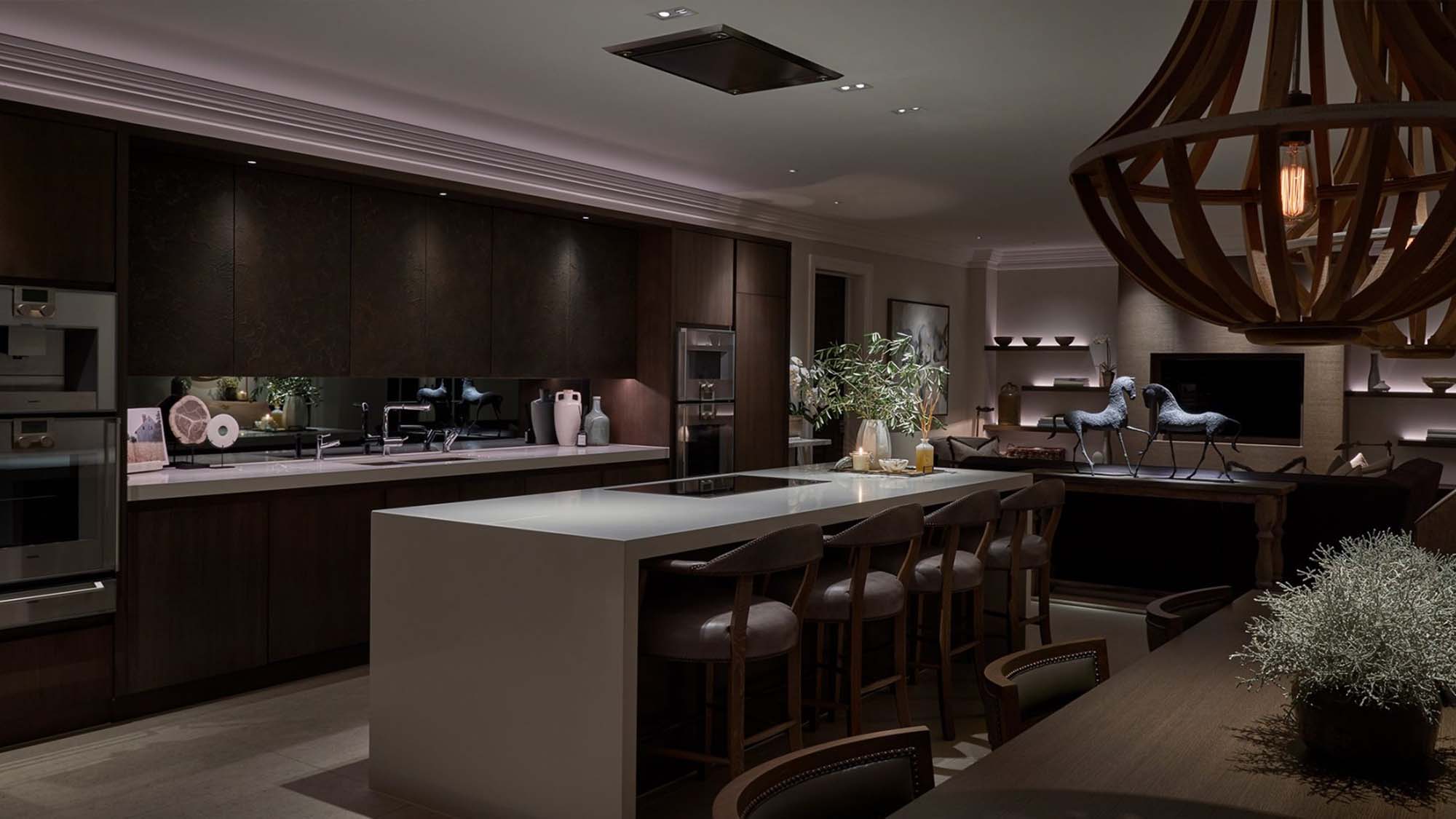
Handleless suits that. It recedes into the background when needed — especially in open layouts that merge with living and dining zones.
If you’re planning a renovation or a full redesign, Krieder’s layout planning guide is a great starting point for rethinking your space with flow and flexibility in mind.
Clean, not clinical
A common misconception? That handleless kitchens feel too cold. But this is where material choice changes everything.
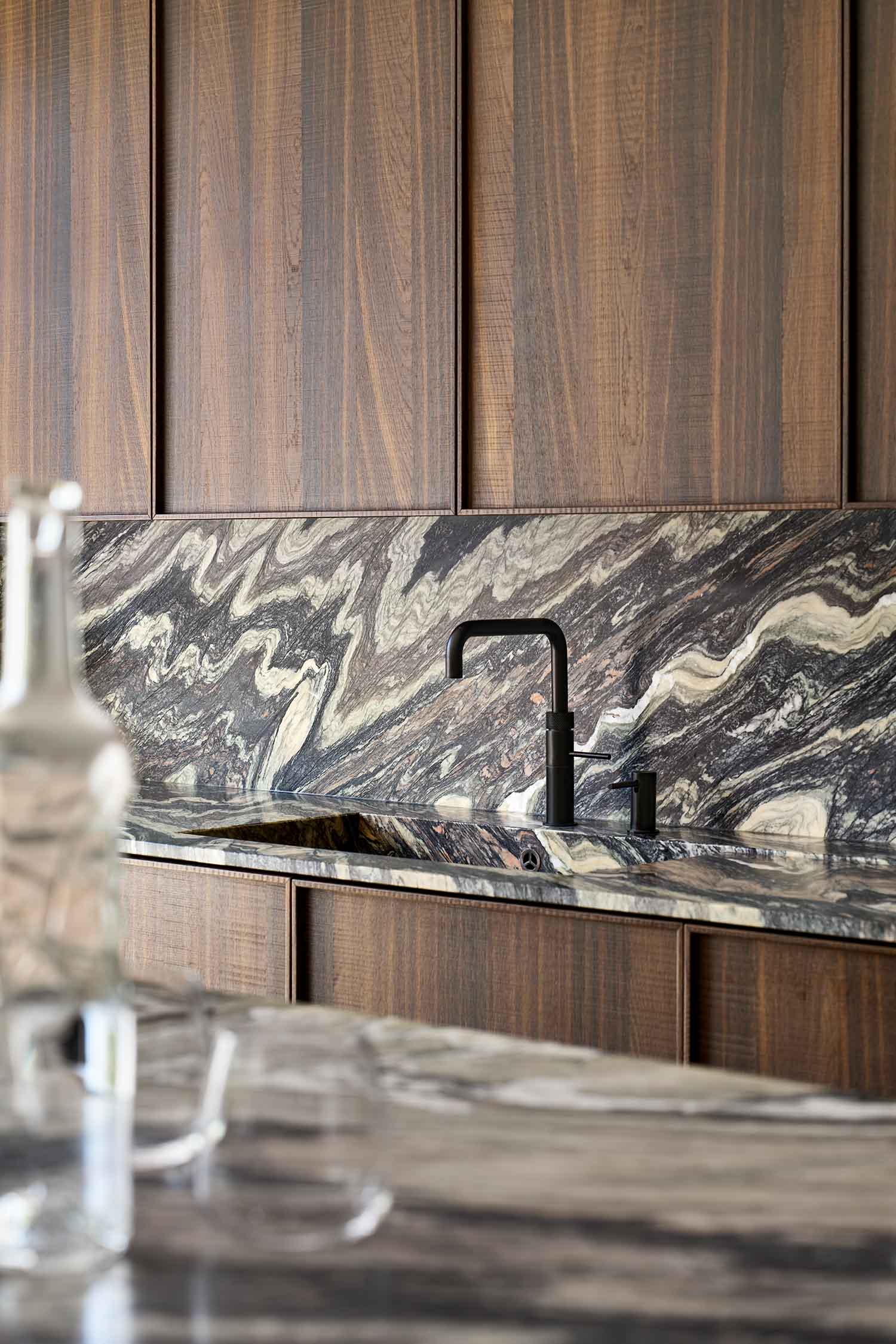
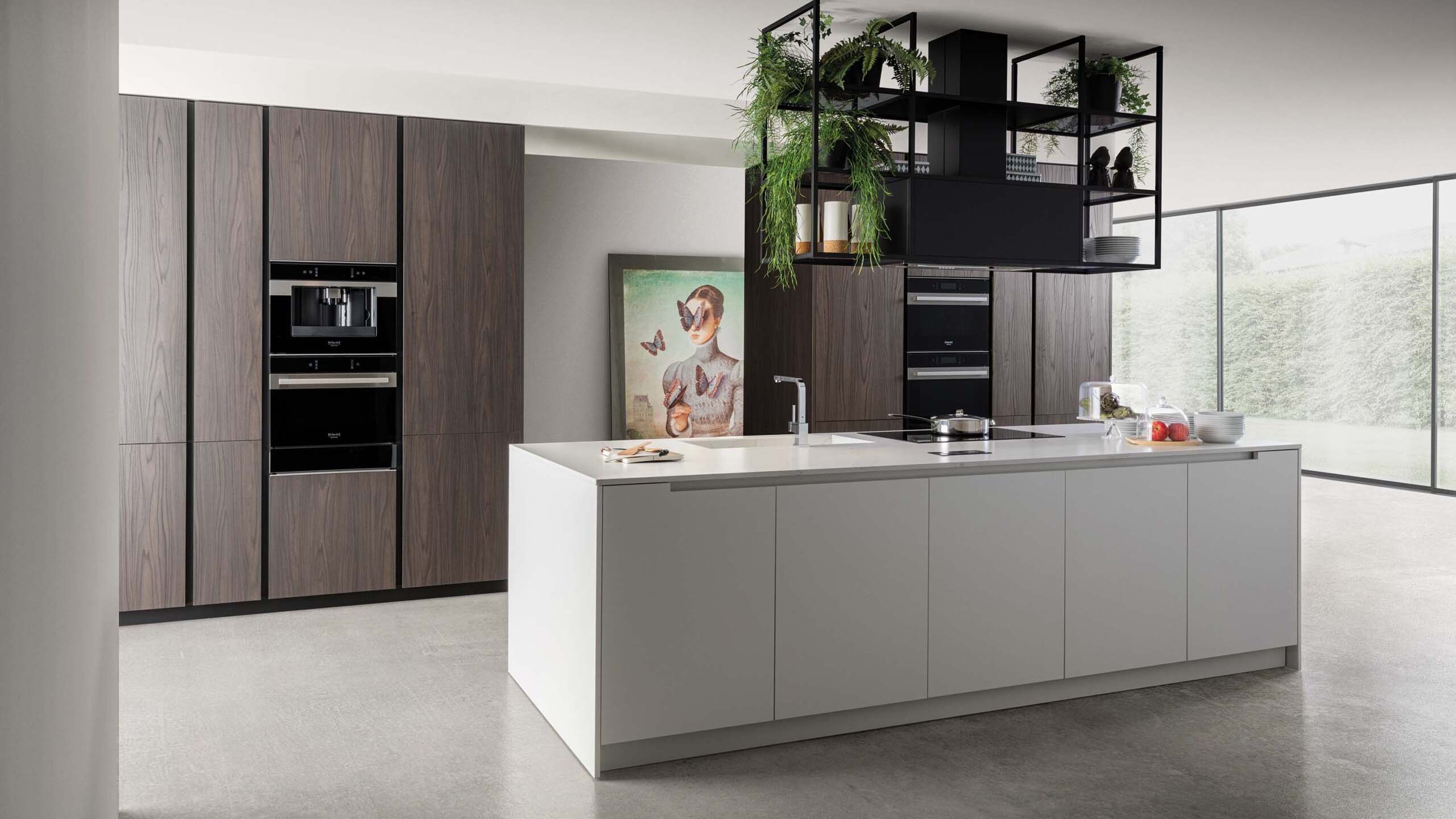
Natural veneers. Soft-touch matte finishes. Textured ceramics. These add warmth and tactility. The Modular kitchen collection does this beautifully, balancing ceramic-effect finishes with smoked glass and oak. Sleek, but never sterile.
If you’re drawn to nature-infused interiors, Instinct blends handleless cabinetry with a raw, biophilic backdrop — think lush vegetation outside, and seamless joinery inside.
Is it practical?
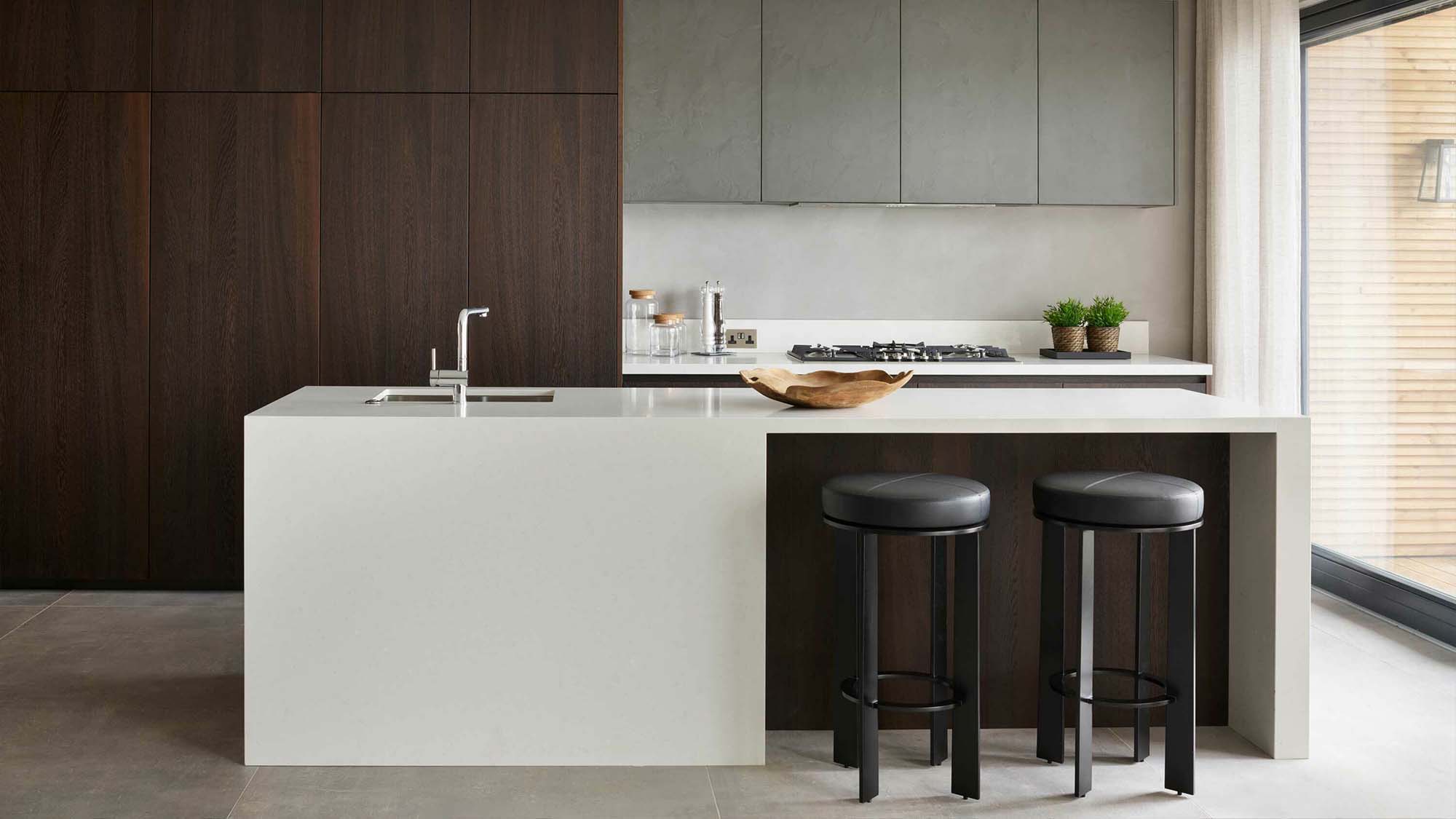
Absolutely. With fewer protrusions, handleless kitchens are easier to clean, safer around young children, and offer a smoother experience overall. You’re not catching pockets on knobs or bumping into pull bars.
And for those who want luxury without flash, it hits the brief — understated yet sophisticated.
Where it’s going
Handleless isn’t a passing phase. As homes get smarter and layouts more fluid, design that’s pared back yet practical is here to stay.
But subtle doesn’t mean soulless. The best handleless kitchens — like those in the Krieder kitchen collection — are built around you. Tailored to your lifestyle. Personal to the way you live, cook, and entertain.
Because true luxury isn’t loud. It’s quietly thoughtful.