Kitchen islands have had a moment for a while now. But this isn’t about trends — it’s about making the most-used room in the house work harder.
They’re more than just a place to chop veg or hide a wine fridge. When done right, an island becomes the centre of gravity. It draws people in. It sets the tone for how the kitchen feels — and how you move through it.
A good one isn’t just a surface. It shapes flow, adds contrast or warmth, and anchors the rest of the room. So if you’re building a new island, or thinking about how to tweak what you’ve already got — here’s what to think about.
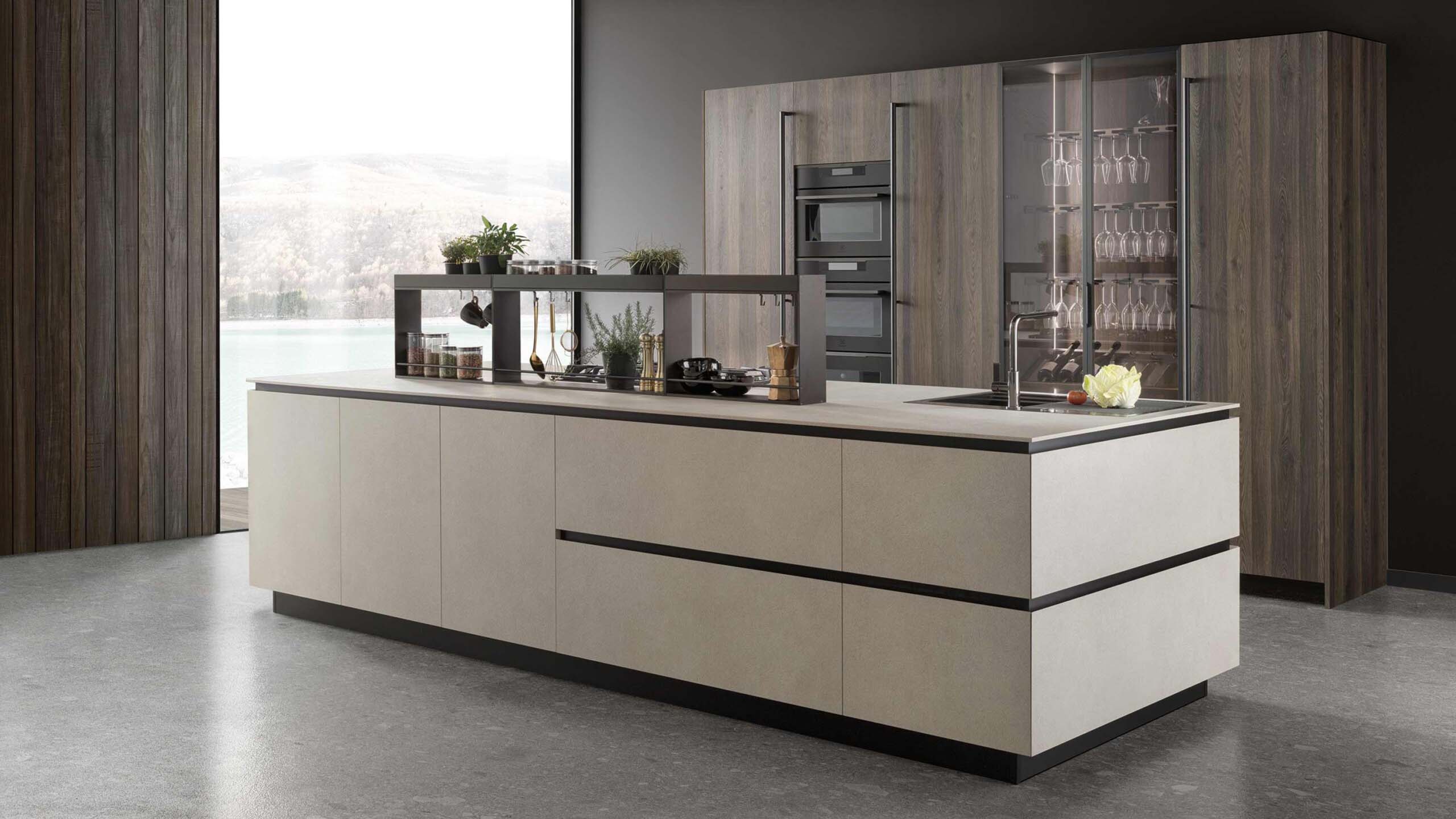
Start with how it fits your life, not just your look
What’s the island for? A prep zone? A casual place to eat? Storage galore? Something to make the space feel open — or more grounded?
Whatever the goal, define it first. It’s easy to get caught up in colours or clever appliances, but the real wins come when function leads form.
And don’t forget how people move. That matters more than you think.
Think about what’s around it
Clearance is key. An island can look amazing on a plan, but if it feels tight when you’re circling round with a hot pan — it’ll drive you mad.
Shoehorning an oversized block into a small kitchen won’t win you points. If you’ve got less than a metre’s breathing space on all sides, it might be time to scale it back or rethink the layout altogether.
We’ve worked on small-space kitchens where we’ve still added an island — but the kind that works with the space, not against it. You’ll find a few tips in our guide to Design Tips for Small Kitchens.
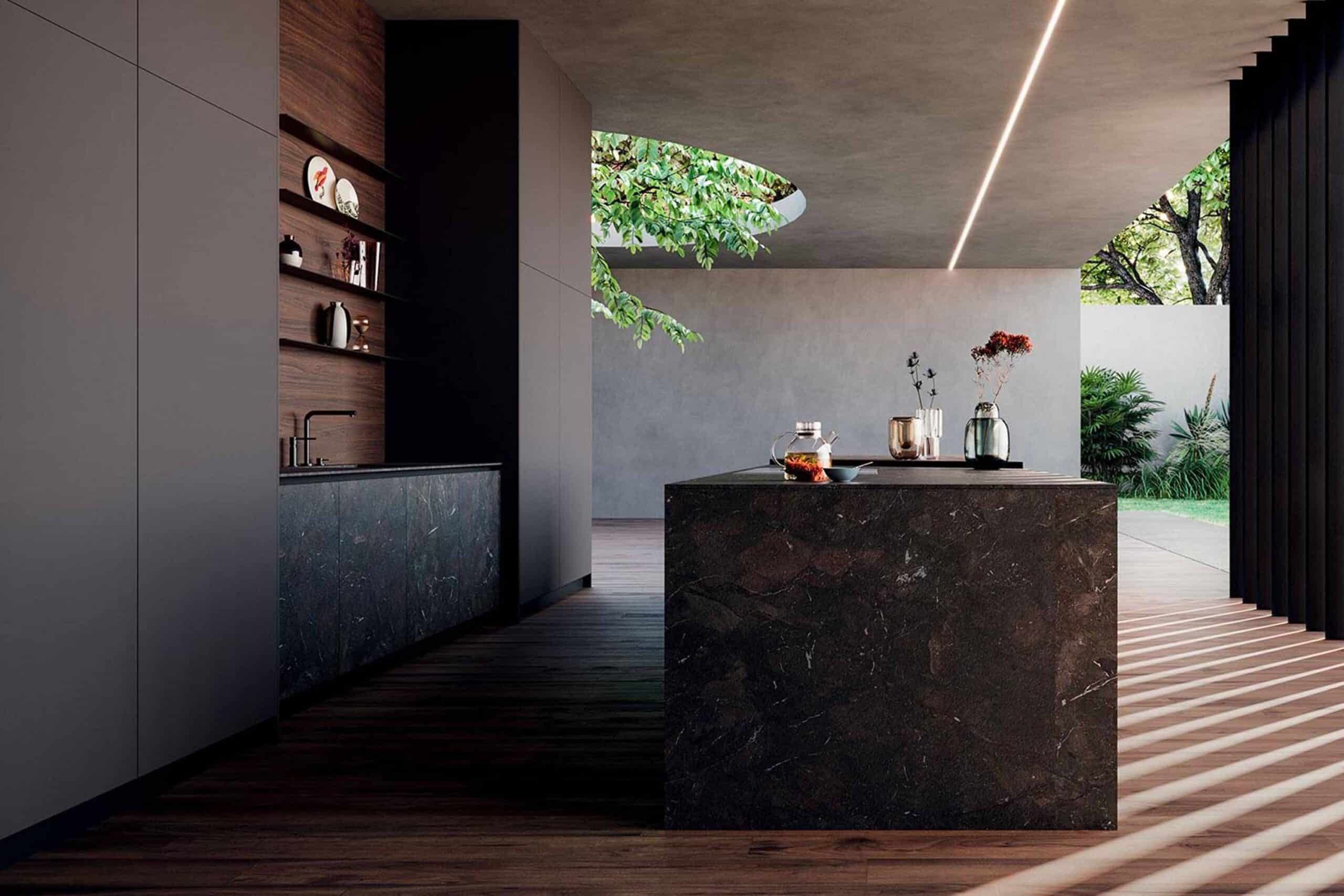
Don’t just think about the top
It’s tempting to focus on the worktop, but don’t ignore what’s happening above and below. Good task lighting is essential — and if your ceiling’s low or your space is open-plan, the wrong lights can kill the vibe.
Drawers underneath matter too. Big, deep drawers for pans. Hidden bins. Charging stations. Don’t let space go to waste — but don’t let storage kill your flow either.
If you want to dig into how to layer function properly, our Kitchen Design Planning Tips guide breaks it down.
Materials matter
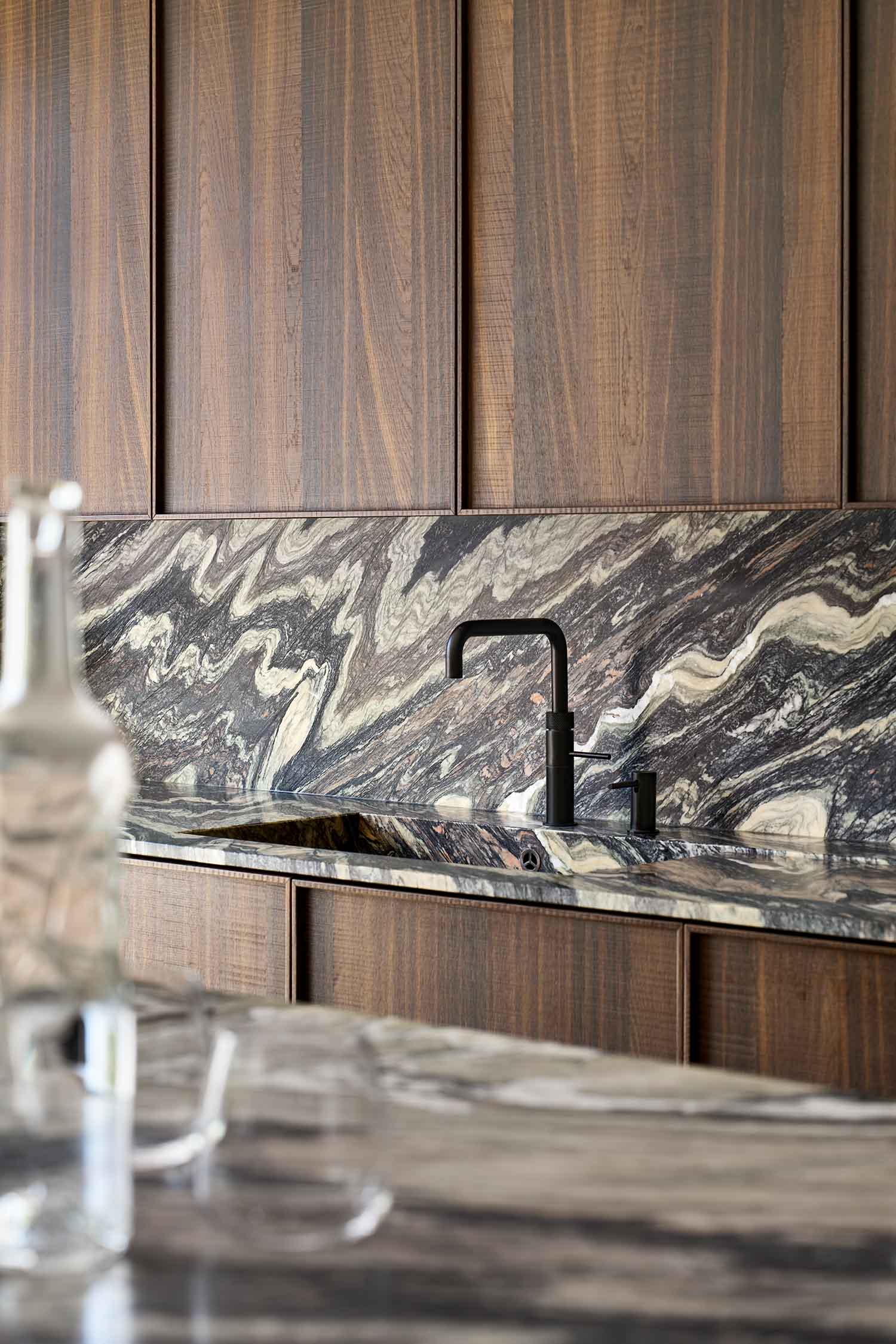
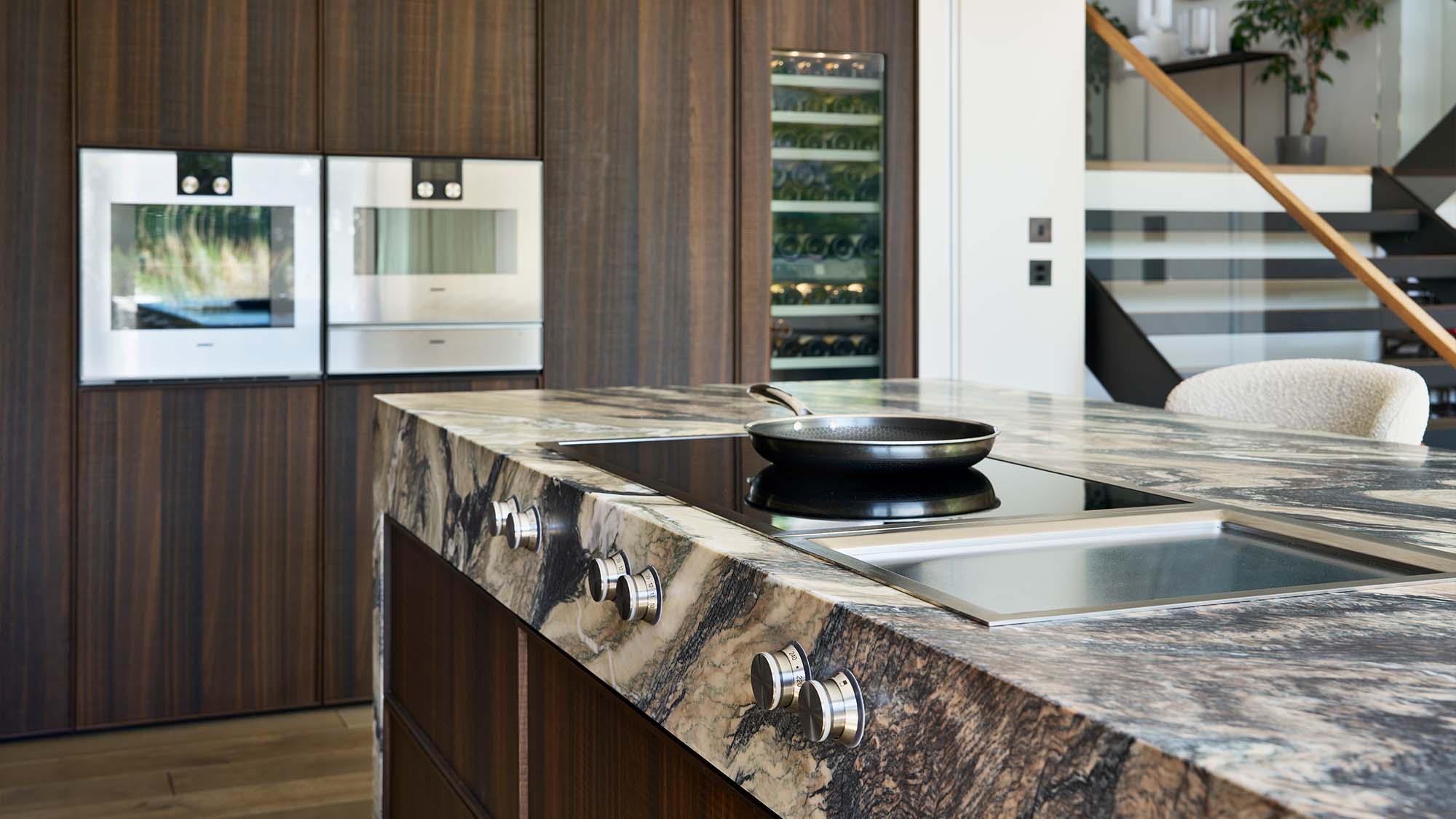
A dark marble slab says something very different to light lacquer. Even the texture plays a part — matte feels softer, glossier finishes bounce light around.
The island’s finish can contrast or echo what’s around it. Just don’t pick something trendy at the cost of longevity. These choices tend to stick around for a while.
Let it be practical as well as pretty
The best islands are both showpiece and workhorse. If you need inspiration, take a look at how we approached the St John’s Wood and Chelsea projects — each one had different priorities, but both ended up with islands that truly work.
Bar stools? Think carefully
Are you trying to create a breakfast bar or a perch for a glass of wine while someone cooks? Think about seat height and where people’s knees are going. If you’ve got the space, a 300mm overhang helps — just make sure there’s no awkward bumping.
Want to keep it slick? Streamline Your Kitchen with Concealed Sockets goes deeper into how we make it all work beneath the surface.
Flow, flow, flow
Your island should never interrupt movement. Think about how close it is to the oven, fridge, or dishwasher. And don’t forget sight lines. It’s not just about what it does — it’s about how it fits.
If you’re planning a big upgrade, we cover island choreography properly in our Open-Plan Kitchen Guide.
FAQ: How big is too big?
A kitchen island should have at least 1000mm x 600mm clear space around it — that’s your minimum. But that’s not the only measure that matters. Always think about how people will walk around it, stand at it, or lean on it with a coffee.
Can I have an island in a small kitchen?
Yes — but it might not look like a traditional one. You might need something mobile, or a narrower footprint. Check out our Small Kitchen Layout Ideas for some solid inspiration.
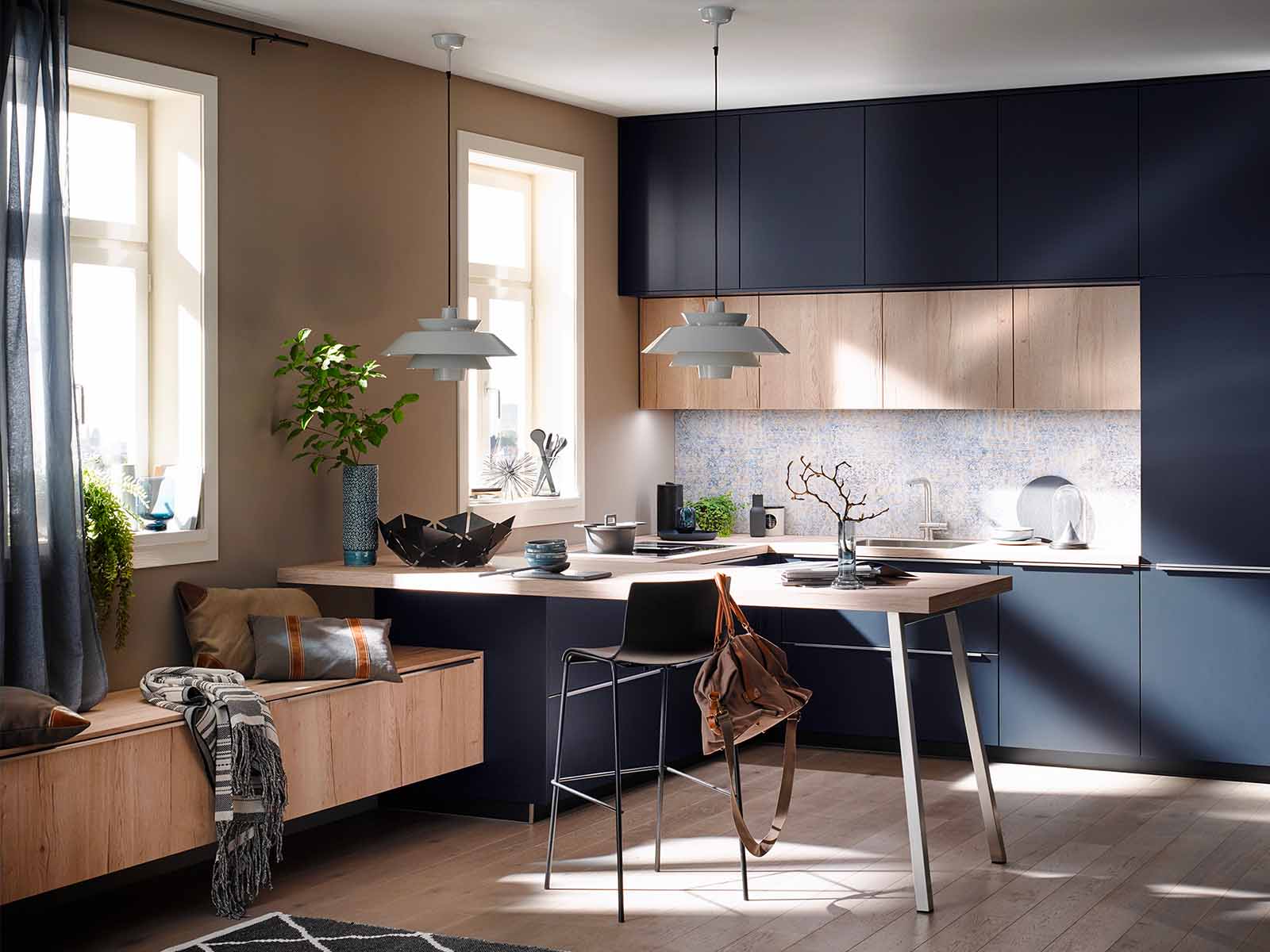
What appliances work best on an island?
BORA hobs are a great choice — especially if you don’t want a bulky extractor hanging above. You can also include sinks, wine coolers, or even pop-up sockets. Just make sure electrics and ventilation are properly planned.
Need help designing yours?
We don’t just tell you what’s pretty. We help shape kitchen islands that work. Book a free consult and we’ll talk you through the practical side — and the design that gets you excited.