Contents
Bring inspiration – but do not worry if you do not have any
Think about how you actually live
Bring plans, photos and measurements if you have them
What your designer is really looking for
Appliances: the earlier the better
Budget conversations without the awkwardness
Bringing architects and interior designers into the process
Common mistakes before a consultation
Questions worth asking your designer
By the time most people sit down for their first kitchen design consultation, the project has already begun.
Not on paper. Not in drawings.
In their head.
There are screenshots saved on phones. Instagram posts bookmarked at midnight. Pinterest boards with hundreds of images. Conversations over dinner about whether the wall should come down. Arguments about islands. Questions about storage.
Sometimes clients arrive with a folder full of plans and ideas.
Sometimes they arrive with nothing more than a feeling that the current kitchen is not working anymore.
Both are perfectly normal.
One of the biggest misconceptions about a kitchen consultation is that you need to have everything figured out before you walk through the door.
You do not.
In fact, some of the strongest projects begin with uncertainty.
The purpose of a consultation is not to test your knowledge. It is to start uncovering the right questions.
What matters most is not whether you have chosen a worktop material or decided between brass and stainless steel. It is understanding how you live, how you use your home, and what you want the space to do for you.
Everything else follows.
Before You Even Book
Before gathering inspiration or measuring walls, it is worth asking a simple question.
Why are you considering a new kitchen in the first place?
The answer is rarely “because I need new cabinets”.
More often, it is something deeper.
The room feels disconnected from the rest of the house.
There is nowhere for people to gather while you are cooking.
Storage never seems to be where you need it.
The kitchen looked right ten years ago but no longer reflects how you live today.
These frustrations are valuable.
Far more valuable, in many cases, than a folder of inspirational images.
A designer can usually tell you how to create more storage. What they cannot know immediately is why the current storage does not work.
Understanding the problem is often the first step towards finding the right solution.
Bring Inspiration – But Do Not Worry If You Do Not Have Any
If you have spent months saving images, bring them.
If you have built a Pinterest board with two hundred kitchens, bring that too.
But do not feel pressure to arrive with a perfectly curated vision.
Some of the most successful consultations start with a client saying:
“I know what I do not like, but I am not entirely sure what I do like yet.”
That is surprisingly useful.
Knowing what feels too traditional, too contemporary, too cold or too busy helps establish direction.
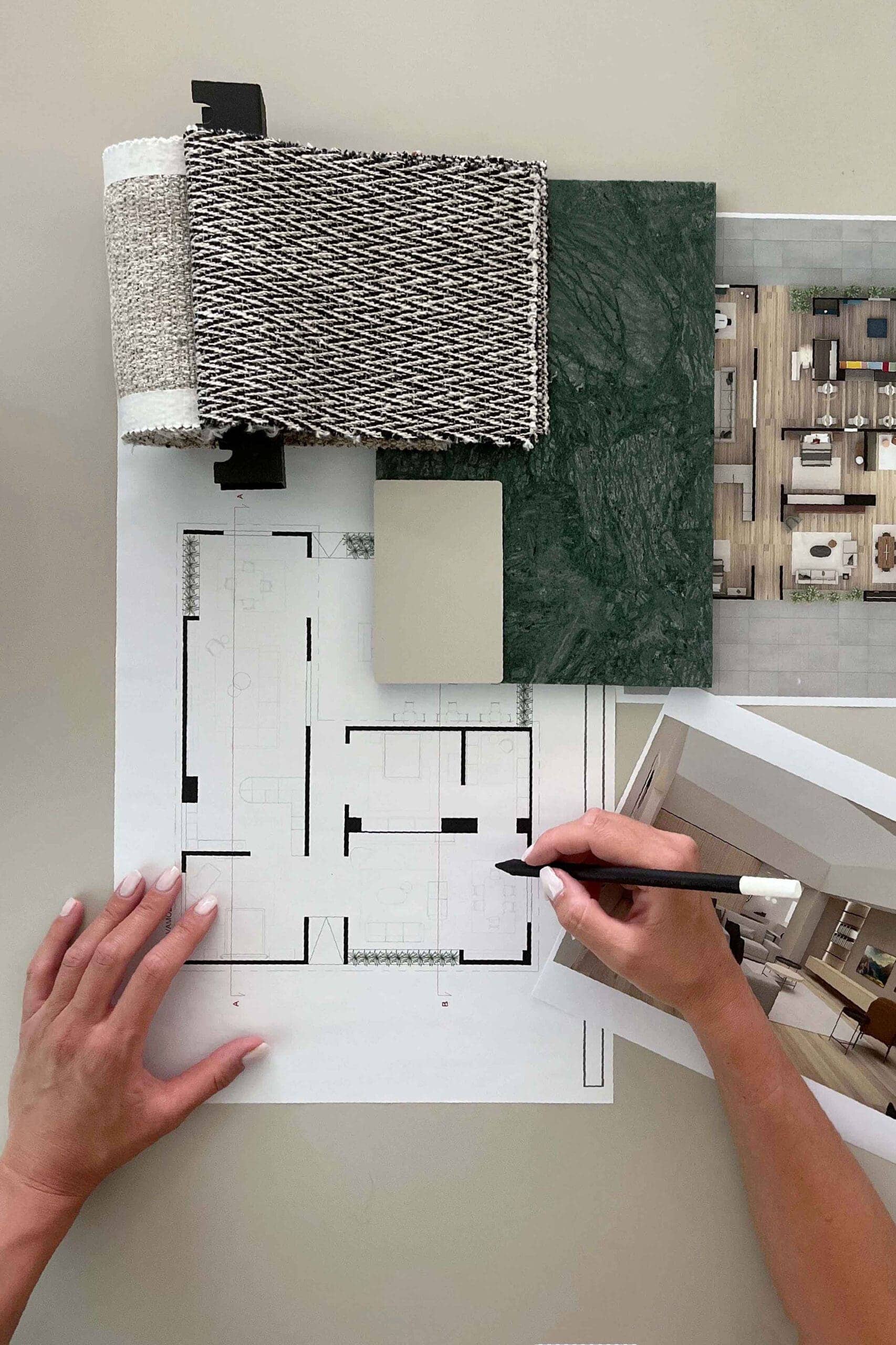
And sometimes the images clients bring reveal something unexpected.
A collection of kitchens that appear completely different at first glance often share the same qualities underneath. Similar proportions. Similar use of light. Similar materials.
Patterns emerge.
That is part of the designer’s job.
Not simply to look at pictures, but to understand what you are responding to.
Think About How You Actually Live
This is where conversations become more interesting.
Because a beautiful kitchen that does not fit your lifestyle rarely stays beautiful for long.
Consider a few simple questions.
How often do you cook?
Do guests naturally end up in the kitchen when they visit?
Do children use the space independently?
Is breakfast a rushed five-minute affair or a slower family ritual?
Where does clutter collect?
What frustrates you most on a typical weekday?
These questions may seem unrelated to design.
They are not.
One client might need a kitchen that supports frequent entertaining. Another may prioritise efficient storage and clean sightlines. Someone working from home may use the room very differently from someone who is rarely there during the day.
The kitchen is not being designed for a photograph.
It is being designed for real life.
And real life is rarely as neat as a showroom display.
Bring Plans, Photos and Measurements If You Have Them
Architectural drawings are useful.
Floorplans are useful.
Extension proposals are useful.
But do not let the absence of those things stop you from booking a consultation.
A surprising amount can be learned from a handful of photographs.
Images of the current kitchen.
Views into adjoining rooms.
Windows.
Garden connections.
Awkward corners.
Areas that already work well.
The more context you can provide, the easier it becomes to understand the opportunities within the space.
What matters is not perfection.
It is visibility.
What Your Designer Is Really Looking For
This is the part many homeowners do not see.
While you are explaining what you would like to achieve, an experienced designer is often noticing other things.
How people move through the room.
Where natural light enters.
Which walls are doing the heavy lifting.
How the kitchen connects to neighbouring spaces.
Whether the room feels social or functional.
Whether storage is genuinely lacking, or simply organised poorly.
In other words, they are not looking at cabinetry.
They are looking at behaviour.
The best kitchen designs rarely start with doors and handles.
They start with people.
That is why every successful luxury kitchen design begins with understanding the home itself before focusing on finishes.
Appliances: The Earlier The Better
This is one area where delays can become expensive.
Many homeowners assume appliances are something to decide later.
In reality, they influence almost everything.
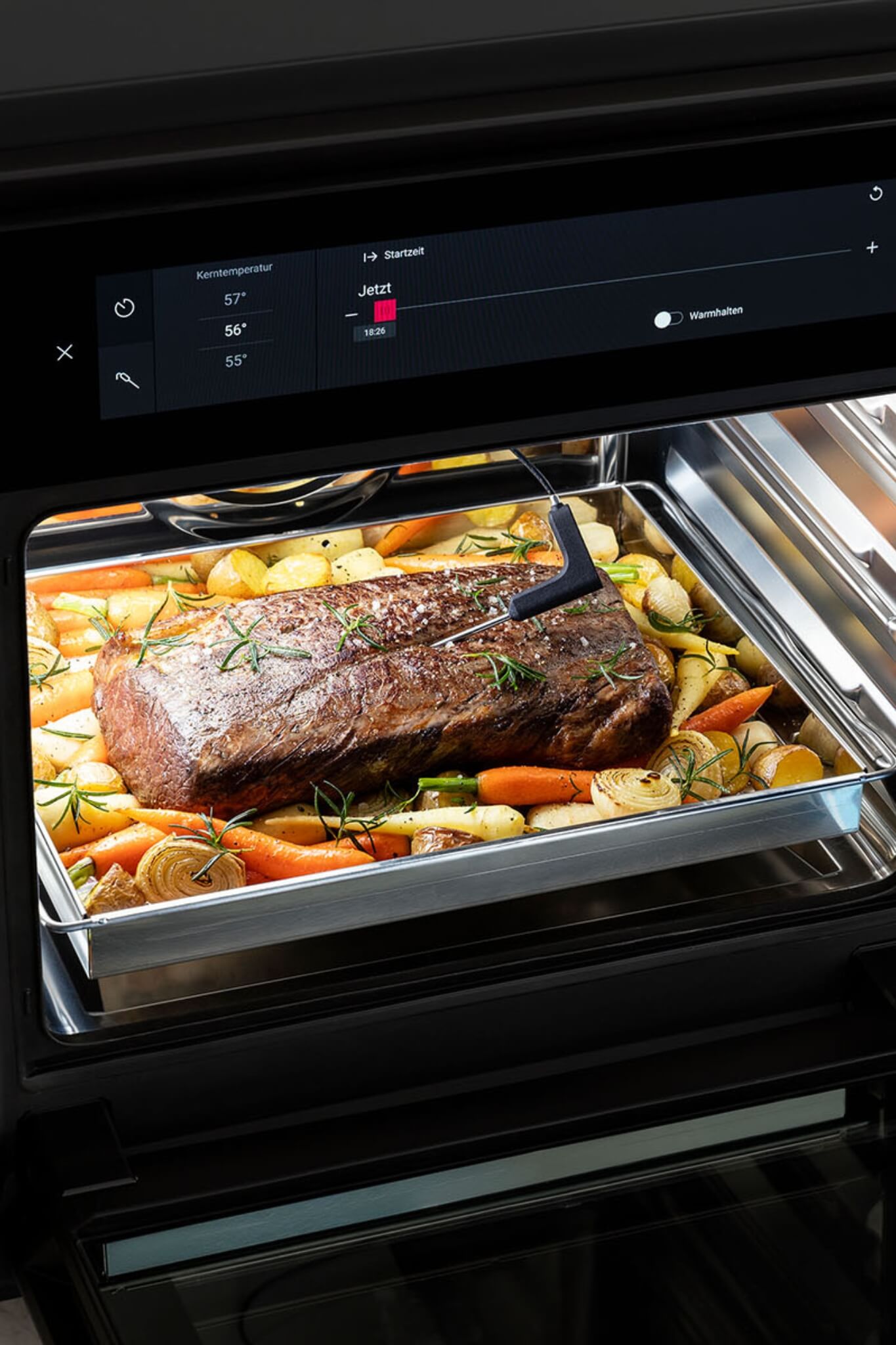
A steam oven affects cabinetry.
Ventilation requirements influence ceiling design.
Refrigeration changes layouts.
Coffee systems, wine storage and boiling water taps all introduce technical considerations.
The earlier these conversations happen, the more freedom the design has.
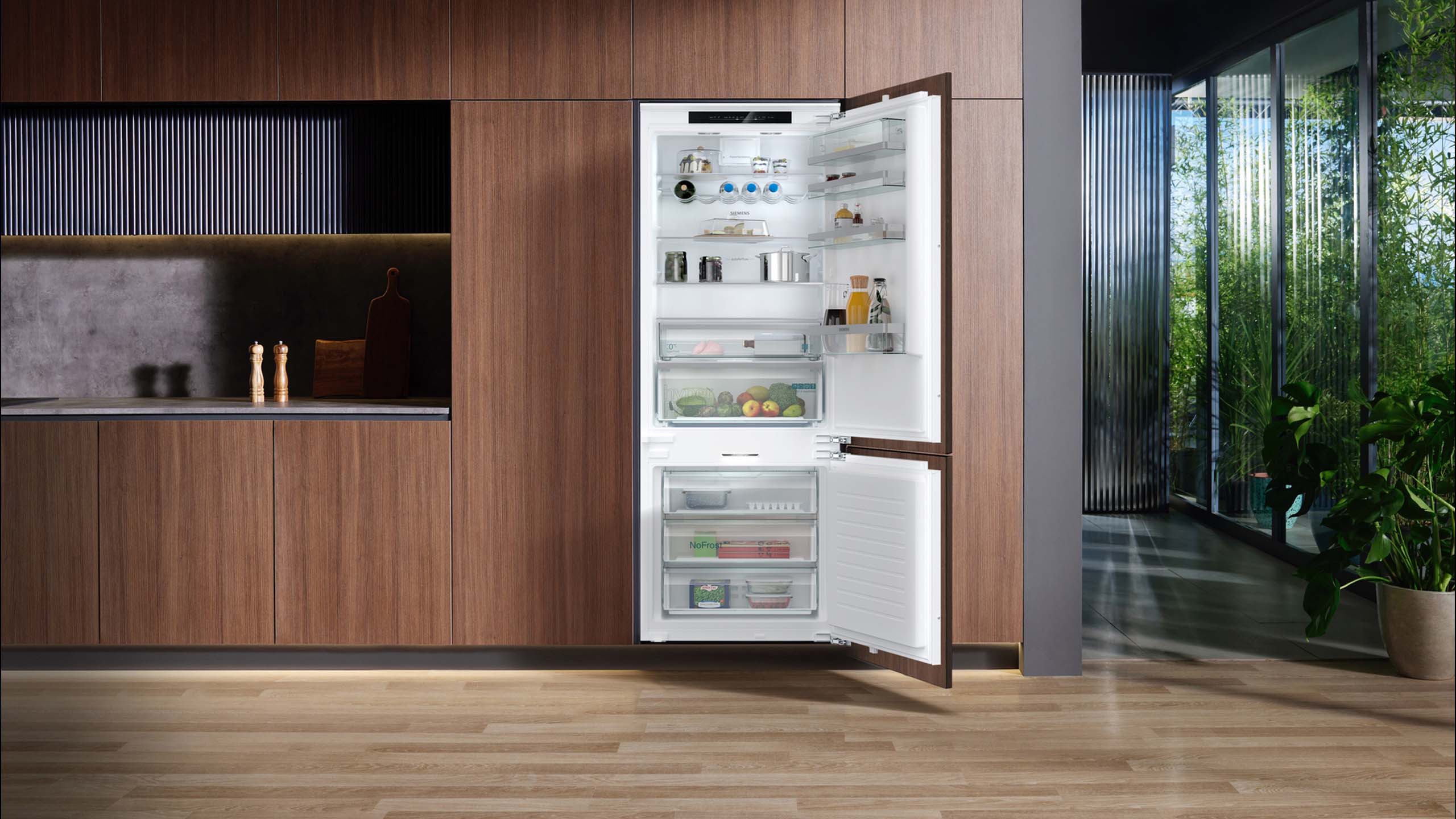
Leave them until the end and options often become more limited.
If you are already considering particular appliance brands or cooking styles, bring those thoughts to the consultation.
If you are still exploring possibilities, our guide to choosing your kitchen appliances is a useful place to start.
Budget Conversations Without The Awkwardness
Many people feel uncomfortable discussing budget early.
That is understandable.
But in a serious kitchen project, budget is not a sales trap. It is a design tool.
A realistic investment range helps the designer guide the conversation properly. It shapes decisions around cabinetry, appliances, stone, lighting, installation and sequencing.
Without that context, time can be wasted exploring ideas that do not match the level of project you want to create.
Does that mean every decision is dictated by budget?
No.
It means the right conversations happen earlier.
| What to Think About | Why It Helps |
|---|---|
| Rough investment range | Helps guide materials, appliances and design complexity |
| Must-have features | Shows where the project should prioritise spend |
| Nice-to-have features | Allows ideas to be explored without overloading the brief |
| Project timing | Helps plan lead times, installation and wider building works |
Bringing Architects and Interior Designers Into The Process
Many high-value kitchen projects involve more than one professional.
Architects. Interior designers. Builders. Project managers.
If they are already involved, bring them into the process early.
This is not about adding more voices for the sake of it.
It is about coordination.
The kitchen may need to respond to glazing, structural openings, floor finishes, ceiling details, lighting plans and furniture layouts.
When the right people talk early, the finished room feels more resolved.
When they do not, details can clash.
A ceiling extractor may conflict with a lighting scheme. A tall appliance bank may interrupt an architectural sightline. A preferred floor finish may affect plinth heights.
These are not dramatic problems.
They are simply easier to solve before the project has moved too far.
Common Mistakes Before a Consultation
The biggest mistake?
Starting with finishes.
It is easy to understand why. Finishes are tangible. You can touch stone. You can compare colours. You can imagine handles.
Layout is quieter.
But layout is what you live with every day.
Other common mistakes include choosing appliances too late, focusing too heavily on social media trends, underestimating storage, and not involving every decision-maker early enough.
None of this is fatal.
A good consultation will bring the conversation back to what matters.
The room. The people. The way the space needs to work.
Questions Worth Asking Your Designer
A consultation should not feel like a presentation.
It should feel like a conversation.
Good questions help.
- What are the strongest opportunities in this space?
- What are the biggest compromises?
- Which decisions need to be made early?
- What would you do differently if this were your own kitchen?
- How can the design still feel relevant in ten years?
- What usually surprises clients during projects like this?
The answers often reveal more than a brochure ever could.
What Happens During The Consultation?
Every project is different, but most consultations follow a natural rhythm.
First, we talk.
About the house. The current kitchen. How the space is used. What works. What does not.
Then we look at the room itself.
Plans if you have them. Photos if you do not. Measurements if they are available. Ideas, references, questions and constraints.
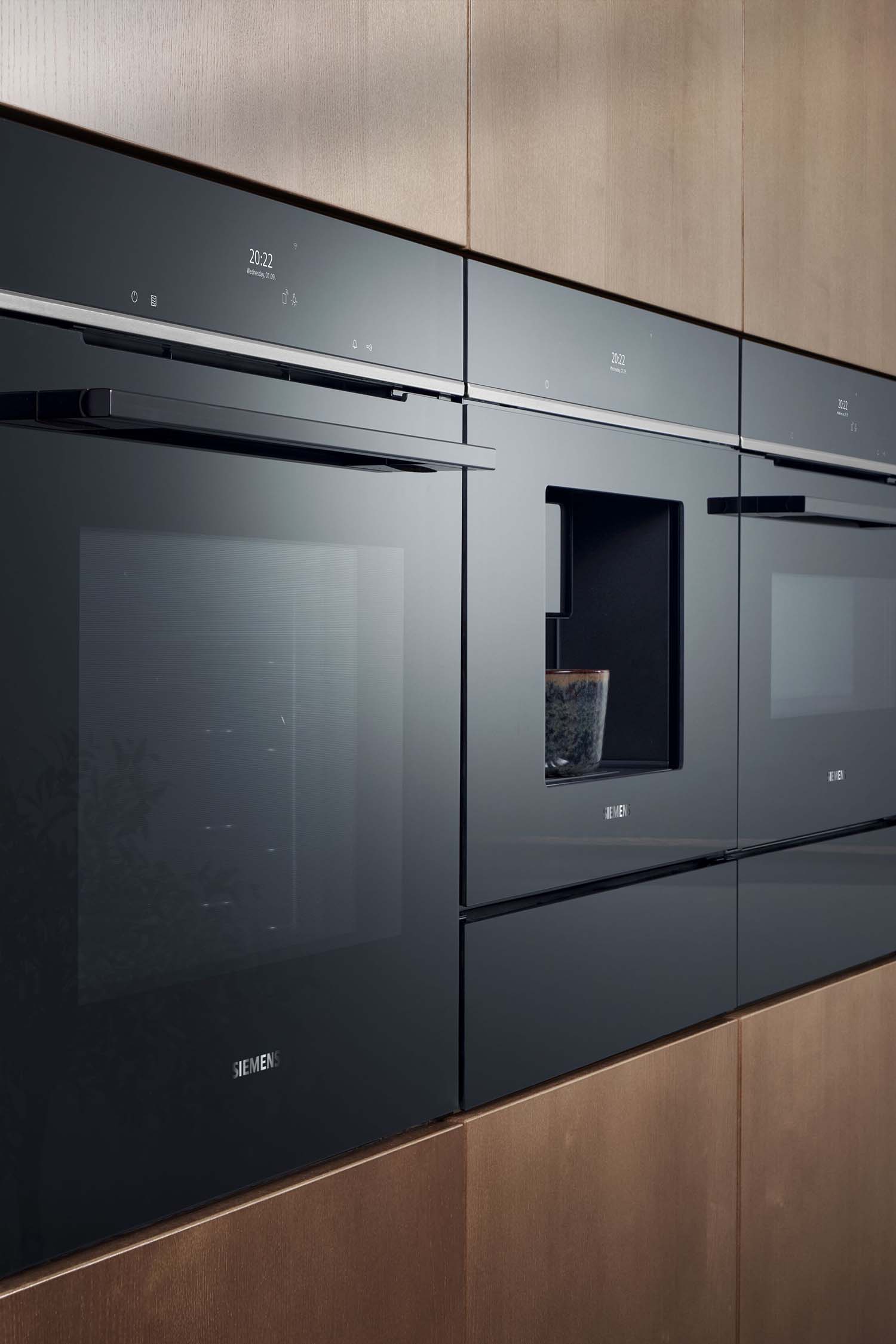
From there, the conversation moves towards direction.
Not final answers.
Direction.
That distinction matters.
A good consultation gives the project shape. It identifies priorities, reveals constraints and starts turning scattered ideas into a proper brief.
What Happens Afterwards?
After the consultation, the project begins to move from conversation into process.
Depending on the stage you are at, this may involve a measured survey, concept layouts, design development, material selections, appliance specification, quotation and technical planning.
If you want to understand the wider journey, our guides on how long a bespoke luxury kitchen takes and how a luxury kitchen comes together explain the process in more detail.
The most successful consultations are rarely the ones where the client arrives with every answer.
They are the ones where both sides arrive curious.
You bring knowledge of your home, your habits and your ambitions for the space.
Your designer brings experience, judgement and the ability to translate those conversations into something tangible.
That is where every exceptional kitchen begins.