At Krieder, we have lost count of the number of times someone has said, “We want a German kitchen.” It has become one of those phrases people arrive with already fixed in their minds. Sometimes a friend has recommended one. Sometimes they have spent weeks looking through interiors magazines or saving images online. Often, they have simply heard that German kitchens are “the best”.
When we ask the obvious follow-up question – what is it about a German kitchen that appeals to you? – the conversation usually pauses. Most people know the reputation. They know the name carries weight. They know it has something to do with engineering, quality and clean design. Beyond that, it becomes surprisingly difficult to explain.
That is completely understandable. Buying a luxury kitchen is not something most people do very often. There is no reason a homeowner should understand cabinet construction, furniture systems, hardware, manufacturing methods or installation tolerances before they walk into a showroom. That is our job.
So rather than simply saying German kitchens are better, this guide explains why they have earned the reputation they have, which details genuinely matter, and how to judge quality for yourself before investing in a new kitchen.
If you are planning a high-value kitchen project, the aim is not simply to choose something that looks impressive on day one. The aim is to create a room that works beautifully, feels considered and still performs years after it has been installed. That is where German kitchen design often comes into its own.
For anyone beginning that process, our luxury kitchen designs page gives a useful overview of how Krieder approaches complete kitchen projects, from initial design through to installation.
What Actually Is A German Kitchen?
A German kitchen is usually a fitted kitchen designed and manufactured by a German kitchen manufacturer, using a system-led approach to cabinetry, storage, appliances, finishes and installation. That sounds straightforward enough, but it does not tell the whole story.
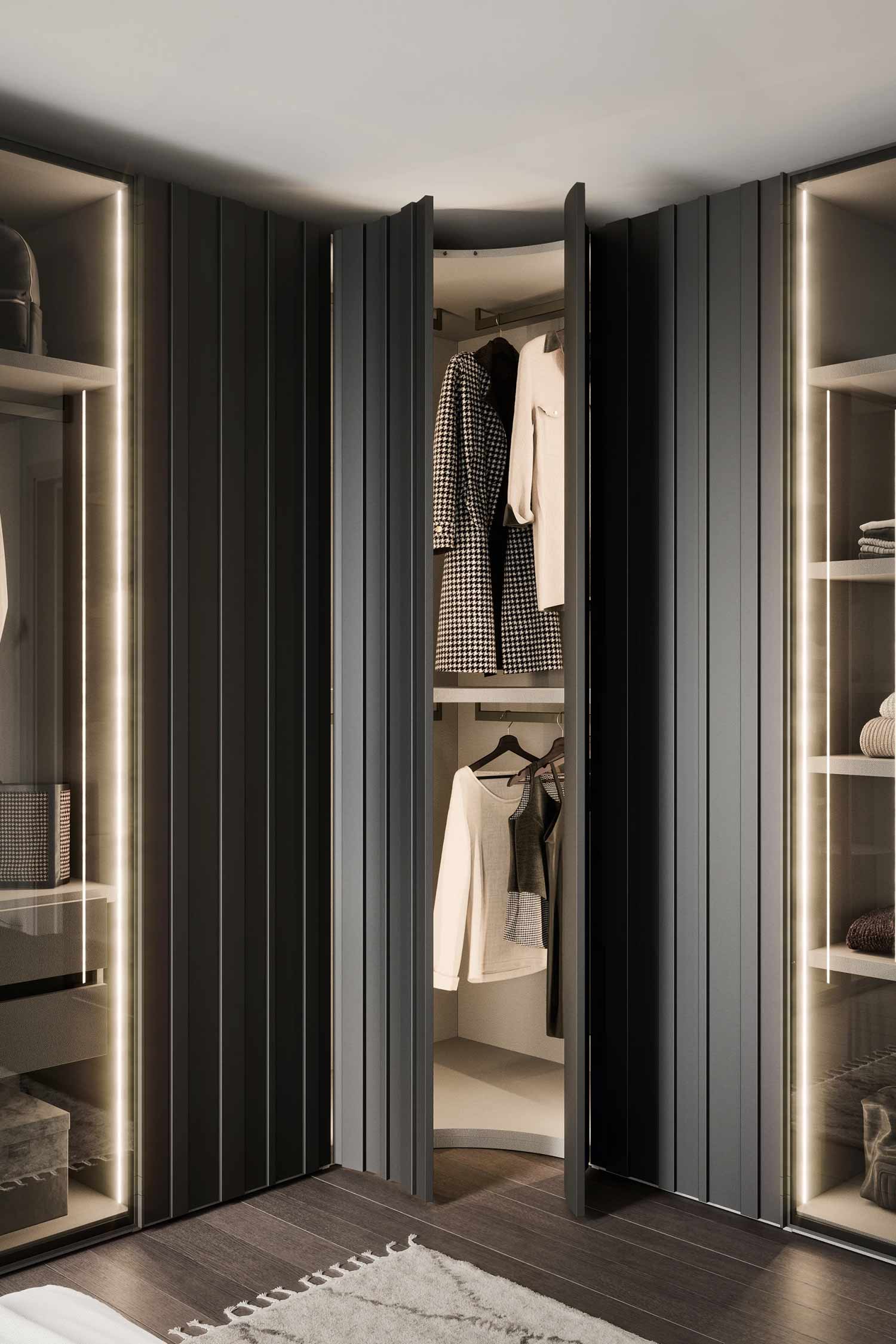
The important word is “system”. A good German kitchen is not just a collection of cupboards, doors and drawers. It is a complete furniture system where each element has been designed to work with the next. The cabinet is engineered to accept specific hardware. The drawers are designed to carry a defined weight. The appliance housings are manufactured to precise dimensions. The lighting, storage and internal fittings are planned as part of the whole.
That is one of the reasons a well-designed German kitchen often feels calm. It is not just because the styling is contemporary. It is because the room has been resolved. The lines make sense. The gaps are controlled. The appliances sit correctly within the furniture. Nothing feels accidental.
It Did Not Happen By Accident
Germany did not become associated with kitchen manufacturing overnight. The reputation was built gradually through investment in product development, manufacturing consistency and engineering discipline. While styles have changed dramatically, the underlying focus has remained fairly consistent: stronger cabinets, more reliable hardware, durable finishes, accurate production and better use of space.
That may not sound particularly exciting until you start living with the kitchen. The difference between an average kitchen and an exceptional one is rarely obvious in the first week. Most new kitchens look good when they are freshly installed. The real test comes much later, when drawers are still running smoothly, tall doors remain aligned, panels have not begun to swell, and the room still feels as if it was designed properly rather than just styled well.
At Krieder, we believe luxury should become more obvious over time, not less. A kitchen should still feel right after the initial excitement of choosing finishes, appliances and worktops has faded.
Behind The Design
Matthew Yeatman – Krieder
“We have seen beautifully manufactured kitchens let down by poor planning, and we have seen relatively simple designs transformed by great planning and careful installation. The product is only one part of the story. Bringing everything together is where the real skill lies.”
So What Actually Makes A German Kitchen Different?
This is where many articles start using phrases like precision engineering, superior quality and exceptional craftsmanship. The trouble is, those phrases sound impressive without explaining very much.
Saying a German kitchen is better engineered is only useful if you understand where that engineering shows itself. Most of it is not visible at first glance. It sits behind the doors, beneath the drawers, inside the cabinets and within the way the whole kitchen has been planned.
The details that influence how a kitchen performs over the next twenty years are often the details people notice least on day one. Cabinet construction, hardware, edging, installation accuracy and appliance integration are not usually the first things a client wants to discuss. Yet they are often the things that decide whether a kitchen still feels exceptional years later.
The Cabinet Is The Kitchen
Most showroom conversations begin with colour. Clients want to compare cashmere, graphite, oak, bronze, stone, lacquer or timber finishes. Those are perfectly reasonable conversations to have, but they can distract from something more important. Every beautiful kitchen sits on top of a cabinet, and that cabinet carries far more responsibility than most people realise.
The cabinet supports the worktops, holds the hinges, carries heavy drawers, houses appliances and copes with steam, heat, humidity and daily use. If the cabinet is poorly engineered, everything attached to it eventually suffers. A beautiful door can only disguise a weak structure for so long.
That is why cabinet construction matters. The quality of the board, the way the cabinet is assembled, how the edges are finished and how accurately each component has been manufactured can all influence how the kitchen performs over time. Thicker does not automatically mean better. As with most things in luxury design, the detail is more important than the headline specification.
Behind The Design
Matthew Yeatman – Krieder
“A cabinet is a bit like the foundations of a house. Once the kitchen is installed, you hardly ever see it again, but everything depends on it. If the cabinet is right, the whole kitchen benefits.”
The Parts You Never See, But Use Every Day
Hardware is one of the least glamorous parts of a kitchen conversation, which is strange when you consider how often you use it. Drawers, hinges, lift systems, pull-outs, pocket doors and internal mechanisms are working constantly in a busy kitchen. They do not just need to feel good in a showroom. They need to keep performing under load, day after day, year after year.
A deep pan drawer may carry an extraordinary amount of weight once it is filled with plates, cookware, serving dishes and small appliances. Now imagine that drawer being opened and closed thousands of times over the life of the kitchen. The mechanism underneath suddenly becomes rather important.
This is one reason premium German kitchens often feel different in use. The movement tends to feel controlled rather than flimsy. Drawers glide rather than scrape. Doors close quietly without bouncing back. Tall units feel stable. These are small physical experiences, but they shape how the kitchen feels every day.
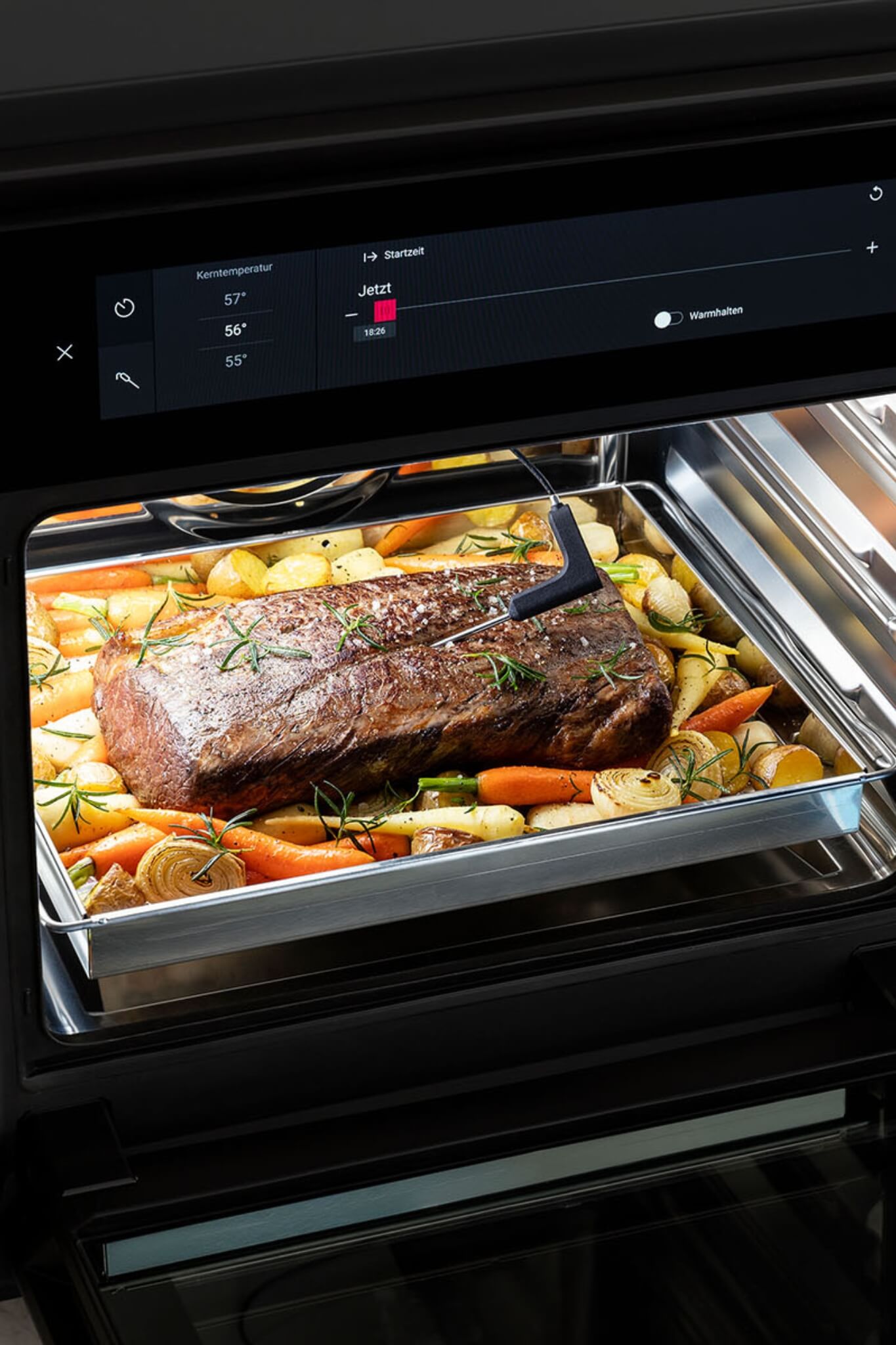
Many premium kitchen projects include appliances from brands such as Gaggenau, Miele and BORA, but the furniture around those appliances matters just as much. A bank of ovens or an integrated cooling wall will only feel truly premium if the cabinetry, hardware and installation support it properly.
Behind The Design
Matthew Yeatman – Krieder
“One of my favourite things to watch is what clients do without realising it. They open a drawer, close it, then immediately open it again. They rarely comment on it, but you can see they are noticing how it feels. That is usually the moment quality starts to become obvious.”
Why Some Kitchens Still Look Good Twenty Years Later
Every year seems to bring a new kitchen trend. One year it is industrial black, the next it is fluted timber, then suddenly everyone wants oversized handles, curved islands or a particular shade of green that has appeared across interiors magazines and social media. There is nothing wrong with trends. They keep the industry moving and give homeowners fresh ideas. The problem comes when a kitchen is designed around a trend rather than around the home itself.
Most of us have walked into a house where the kitchen immediately gives away its age. Sometimes it is because the materials have not worn well. More often, it is because the design belongs too strongly to a particular moment. The best German kitchens tend to avoid that trap, not because they are conservative, but because they are often more restrained.
Restraint is different from caution. A restrained kitchen can still be rich, warm and highly individual, but it does not try to make every element shout at once. The cabinetry forms the architecture of the room, while colours and finishes support the overall design rather than competing for attention.
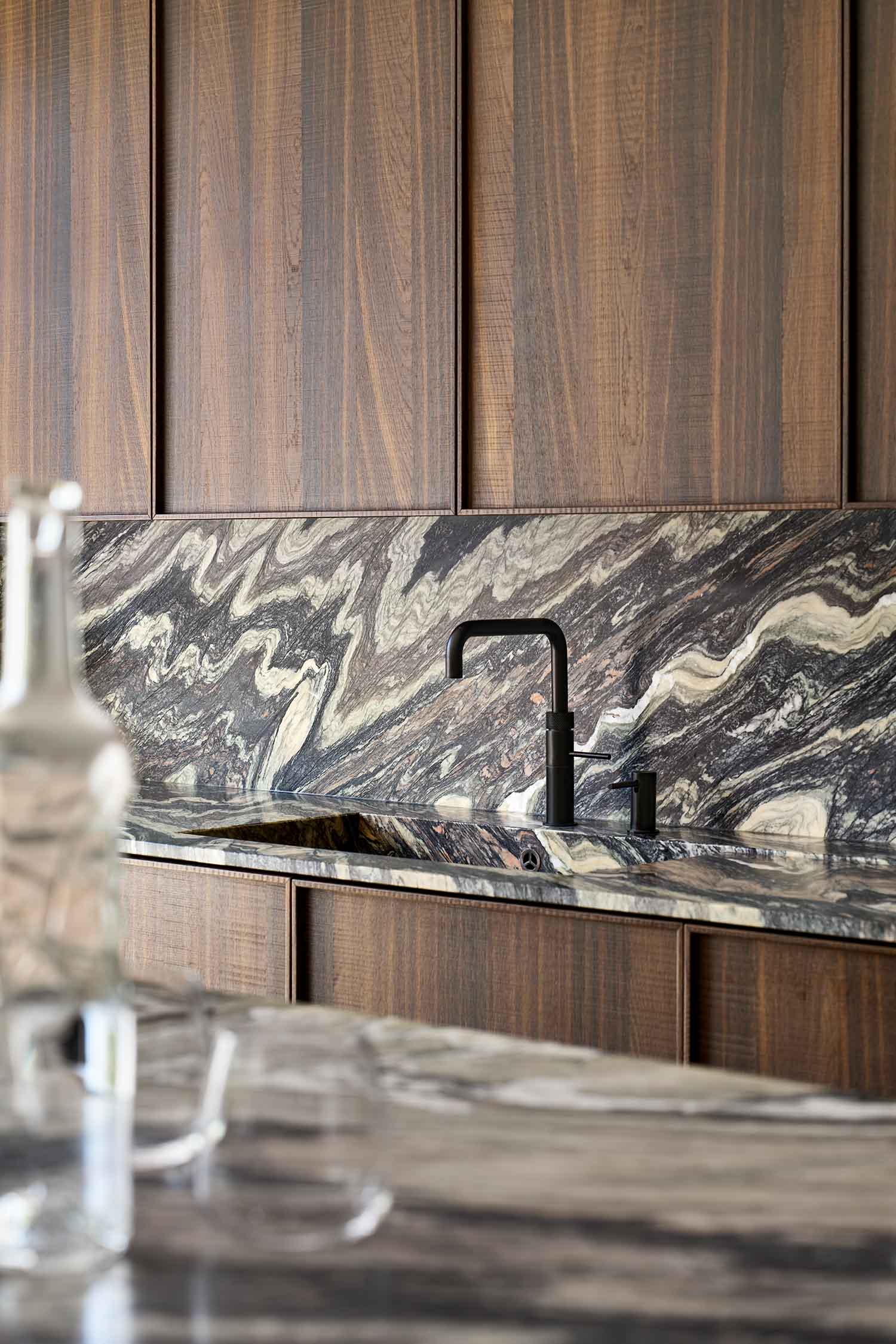
The finish still matters, of course. A durable matt lacquer, quality veneer, textured laminate or ceramic surface must be chosen carefully, not only for how it looks on a sample board, but for how it will behave in daily life. A family kitchen, a contemporary apartment and an entertaining space in a large country home all place different demands on materials.
Behind The Design
Matthew Yeatman – Krieder
“Clients often ask which finish I would choose for my own home. My answer is always the same. It depends how you live. A kitchen should fit your lifestyle first and your Pinterest board second.”
That is why materials should never be chosen in isolation. Natural light, flooring, worktops, appliances, wall colours and the scale of the room all influence how a finish feels. A timber veneer may bring warmth to an open-plan space, while a matt architectural finish may suit a more minimal interior. The right choice is the one that works with the whole room.
There is also a common assumption that luxury comes from adding more. More texture, more colours, more expensive materials, more statement features. In reality, the hardest thing to do well is often knowing when to stop. Restraint takes confidence, and it is one of the reasons many well-designed German kitchens continue to feel elegant long after fashions have changed.
A Kitchen Should Work As Well As It Looks
One of the biggest compliments we hear after a kitchen has been installed is not always “it looks amazing”. Very often, it is something much quieter: “everything just works”. That might sound like faint praise after months of planning, but it is probably one of the highest compliments a designer can receive.
A beautiful kitchen will always catch your eye, but a well-designed kitchen quietly improves your day without demanding attention. Making coffee first thing in the morning, emptying the dishwasher, preparing dinner while someone else pours drinks, children grabbing breakfast before school, friends gathering around the island while you cook – these moments happen almost without thinking, yet they are exactly what a kitchen should be designed around.
This is where German kitchens have built such a strong reputation. They are not simply designed to look organised. They are designed to make everyday life feel easier. Every drawer position, appliance, storage solution and walkway should have a reason for being there, even if you never consciously notice those decisions.
We have all been in kitchens where the dishwasher blocks the walkway when it is open, or where two people cannot comfortably work side by side. Perhaps the bin is on the opposite side of the room from the sink, or the fridge door clashes with an island. These seem like small frustrations until you live with them every day.
Behind The Design
Matthew Yeatman – Krieder
“A successful kitchen is not measured by how many features it has. It is measured by how naturally it fits into your daily routine. If you have to keep working around the kitchen instead of the kitchen working around you, something has gone wrong during the design stage.”
This is also why appliance planning matters so much. An oven, fridge, wine cabinet or extraction system should not be chosen at the end of the design process as though it were an accessory. These decisions often shape the entire room. A bank of ovens changes the proportions of tall cabinetry. Integrated refrigeration influences storage. A boiling water tap affects sink planning. Downdraft extraction changes the way an island is designed.
Appliances are part of the architecture of the kitchen. When furniture and appliances are planned together, the room feels considered rather than assembled. That is a subtle distinction, but once you have seen it, it becomes surprisingly difficult to ignore.
If We Walked Into A Kitchen Showroom Together
Imagine standing in a luxury kitchen showroom. The lighting is carefully considered, every surface is spotless and the worktops catch your eye immediately. Most people naturally move towards the obvious things first: colours, handles, stone, appliances and perhaps the coffee machine if they are a coffee lover.
We would probably do the opposite. Not because those details are unimportant, but because they are the easiest parts of a kitchen to admire. The details that reveal whether you are looking at a genuinely well-engineered kitchen are usually less obvious.
The first thing we would do is open a drawer properly. Pull it all the way out, then push it back in again. Notice whether the movement is smooth all the way through or whether it becomes heavier towards the end. Check whether it closes with control. Pull it out again and give it a slight movement from side to side. A quality drawer should feel stable, even when fully extended.
Then we would look inside the cabinet. Are the shelves finished neatly? Does the back feel substantial? Are the edges clean? Does the cabinet feel as though it has been built to last, or simply assembled? These are not glamorous questions, but they become important after years of daily use.
Only then would we stand back and look at the lines. Do the doors line up properly? Are the gaps between them consistent? Does everything feel balanced, or is your eye drawn towards something that seems slightly out of place? You can learn a surprising amount in a showroom by slowing down and looking carefully.
One question we always encourage clients to ask is simple: who installs the kitchen? Some companies design kitchens but subcontract installation. Others have dedicated fitting teams who know the furniture systems inside out. Neither route is automatically right or wrong, but the answer matters. A beautifully manufactured kitchen can still disappoint if it is poorly installed.
Walls in real homes are rarely perfectly straight. Floors are rarely perfectly level. Tall cabinetry has to be adjusted with care. Worktops need accurate templating. Appliances have to integrate cleanly with the surrounding furniture. Those details are not visible in a brochure, but they are visible every morning when you walk into your kitchen.
The Questions Most People Never Think To Ask
After designing kitchens for years, we have noticed something interesting. Most people arrive with a list of questions about colours, worktops and whether they should have an island. They are sensible things to ask and they are often the first conversations we have. The more revealing questions usually come much later, often after the design has been approved or even after the kitchen has been ordered.
Someone will suddenly ask whether they will still be able to buy a replacement door in ten years. Another client wants to know who actually installs the kitchen. Someone else asks what happens if the floor is not perfectly level or whether the drawers can be adjusted years down the line. These are the sort of questions that rarely appear on showroom displays, yet they tell us a client has stopped thinking about buying a kitchen and started thinking about living with one.
That is an important distinction because a luxury kitchen is not simply another purchase. It is something you will use almost every day for years, perhaps decades. The decisions you make today will still shape your experience long after you have forgotten which sample board you chose in the showroom.
Imagine two kitchens standing side by side. At first glance they appear almost identical. The colours are similar, the worktops look the same and both have an impressive bank of appliances. Most buyers naturally begin comparing the price. We would probably start somewhere else. Can you still order matching doors if one is damaged years from now? Who is responsible for installing the kitchen? Has that installer worked with this furniture system before? How straightforward would it be to replace an appliance or make changes in the future?
Those answers often tell you far more about the quality of the investment than the finish on the doors ever will. There is another question we encourage clients to ask every kitchen company they visit: “If this kitchen was going into your own home, what would you do differently?” It is a simple question, but it changes the conversation almost immediately. People stop talking about brochures and specifications. Instead, they start talking about experience. In our view, that is where the most valuable advice usually begins.
German Kitchens Versus British Kitchens
It does not take long before the conversation turns into German versus British. Clients often assume they are choosing between two completely different levels of quality, as though one country simply makes better kitchens than the other. The reality is more nuanced.
Britain has a long history of cabinet making. Some exceptional furniture has been produced here for generations, particularly where traditional joinery and handcrafted detailing are concerned. A well-made British kitchen can be every bit as impressive as anything produced elsewhere.
German manufacturers approached the challenge from a different direction. Rather than concentrating on individual pieces of furniture, they refined complete kitchen systems. The emphasis shifted towards consistency, engineering and repeatability. Cabinet dimensions became increasingly precise, hardware evolved alongside the furniture and appliances were designed to integrate cleanly rather than being treated as separate additions.
Neither philosophy is inherently better. They simply solve different problems. A traditional country house with original beams, panelling and period features may suit a handcrafted painted kitchen beautifully. A contemporary extension filled with natural light and large expanses of glazing may benefit from the clean lines and disciplined proportions that German manufacturers have become known for.
The mistake is assuming the decision should be based on nationality. It should be based on the property, the architecture and the people who are going to live there. We have designed contemporary German kitchens for period buildings because the contrast felt exactly right. We have also advised clients against choosing a German kitchen when another approach suited the character of the property better.
Behind The Design
Matthew Yeatman – Krieder
“One of the biggest mistakes people make is trying to recreate someone else’s kitchen. The best projects do not start with a Pinterest board. They start with the house, the architecture and the way the client wants to live. That is what determines whether a kitchen still feels right ten or fifteen years later.”
This is also why we avoid broad statements like “German kitchens are better”. Better for whom? If you want highly engineered cabinetry, excellent appliance integration and a contemporary aesthetic, a premium German kitchen is often an excellent choice. If your vision revolves around handcrafted detailing, ornate mouldings and a more traditional furniture style, another route may suit you far better.
Recognising the strengths of different approaches is part of good design. The objective is not to persuade every homeowner to choose the same type of kitchen. It is to help them choose the kitchen that feels entirely at home in their own property.
Are German Kitchens Worth The Investment?
This is probably the question we are asked more than any other. Not whether German kitchens are good, because most people already assume they are. The real question is whether they are worth paying more for.
There is no simple yes or no answer because it depends entirely on what you value. If your priority is simply replacing old cabinets, there are plenty of respectable kitchens available at lower price points. They will look attractive, provide storage and, in many cases, do exactly what is needed. A luxury kitchen is a different proposition.
You are not paying solely for better-looking doors or a recognisable brand. You are investing in a combination of design expertise, engineering, manufacturing, installation and long-term ownership. It is the cumulative effect of those things that creates the difference, rather than any single feature on its own.
This is something we often discuss with clients who are comparing quotations. At first glance, two proposals can appear remarkably similar. The layouts may be almost identical. The worktops might even come from the same supplier. Yet one project costs noticeably more than the other.
It is tempting to assume somebody is simply charging a premium. Sometimes that is true. Quite often, though, the difference lies in things that are not immediately obvious: better cabinet construction, more robust hardware, higher-quality internal fittings, more detailed planning, a more experienced installation team and better aftercare. Individually, none of those elements dramatically changes the appearance of the finished kitchen. Together, they have a significant impact on how the room performs over the years that follow.
That is why we encourage clients to think beyond the installation date. Would replacement components still be available in ten years? Will the cabinetry still feel as precise as it did on the day it was fitted? Has the layout adapted well as family life has changed? Does the room still feel relevant, or does it already belong to another era?
Behind The Design
Matthew Yeatman – Krieder
“Clients rarely come back and tell us they wish they had chosen a different door colour. The conversations years later are usually about how well the kitchen has stood up to everyday life. That is when good planning and good engineering really begin to justify themselves.”
Perhaps the biggest misconception surrounding luxury kitchens is that people are paying for exclusivity. In reality, they are paying for confidence. Confidence that the cabinets have been properly engineered, that the installation has been carried out to the same standard as the furniture, and that the kitchen has been designed around the way they actually live.
Is A German Kitchen Right For Every Home?
The honest answer is no. That might seem like a strange thing for a company specialising in premium German kitchens to say, but it is the truth. Choosing a kitchen should never begin with the manufacturer. It should begin with the property, the people living there and the way the room is expected to function.
We have spoken to clients who arrived convinced they wanted a contemporary German kitchen, only to realise that a softer, more traditional style felt far more at home in the character of their property. Equally, we have worked with homeowners who initially imagined a painted shaker kitchen before recognising that the clean architectural lines of a German design suited the extension they were building far better.
Architecture has a habit of telling you what feels comfortable, provided you are prepared to listen to it. A Victorian townhouse, a converted barn, a Georgian farmhouse and a newly built contemporary home all create different opportunities. Trying to force the same kitchen into each of them rarely produces the best result.
That is one reason we spend as much time discussing the house as we do the furniture. Before colours, finishes or appliances enter the conversation, we are far more interested in understanding how the building works. Where does the natural light come from? How does the kitchen connect to the garden? Is it a room for entertaining, everyday family life or both? What views should be framed, and which parts of the room deserve to become quieter?
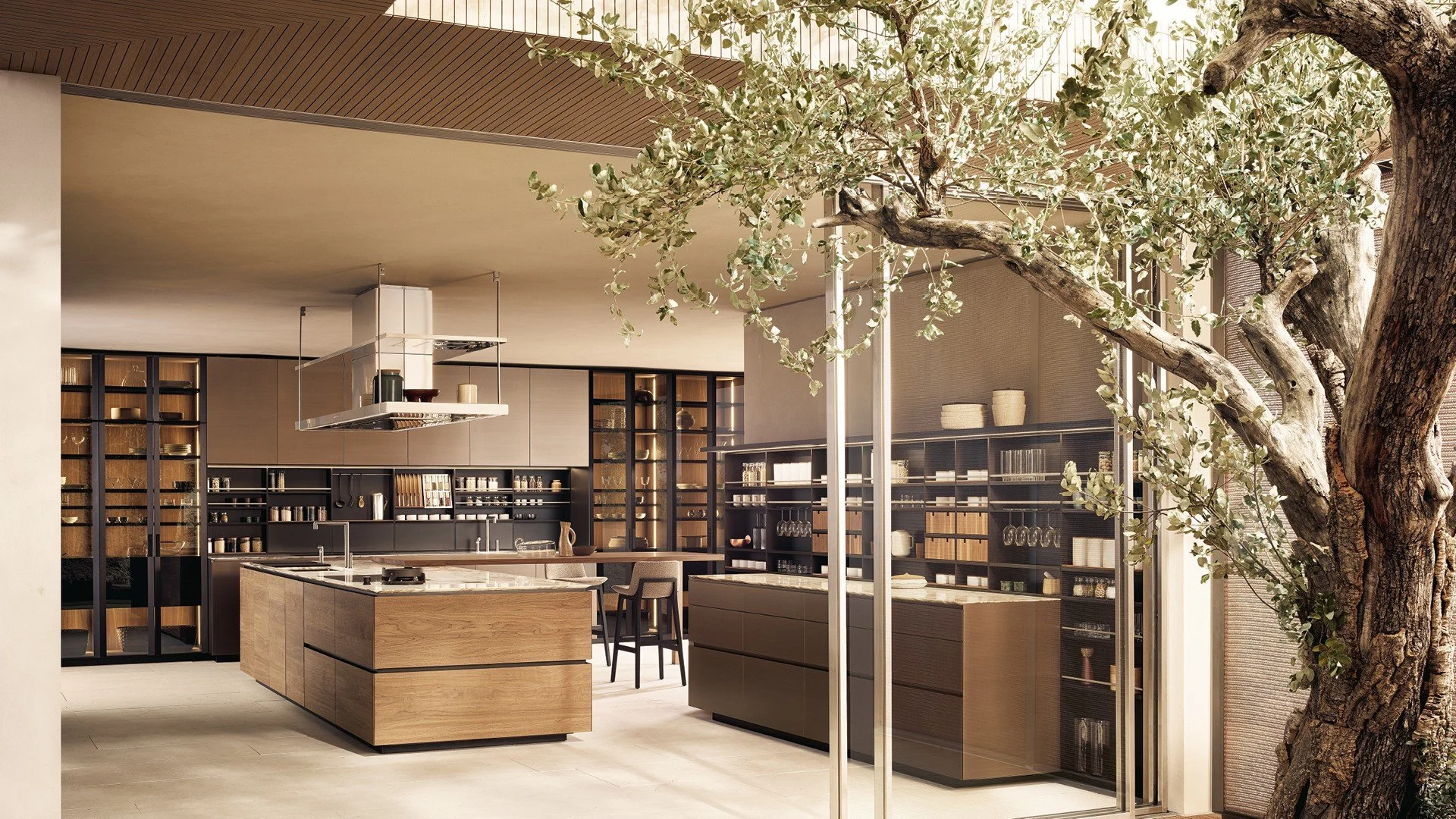
A successful kitchen does not feel as though it has been dropped into a room. It feels as though it belongs there. German kitchens are particularly good at creating that sense of calm because they are based on disciplined design rather than decoration. They do not rely on elaborate detailing to make an impression. Instead, they use clean lines, carefully balanced proportions and intelligent planning to allow the room itself to take centre stage.
That does not mean they are only suitable for modern architecture. Some of our favourite projects have involved placing contemporary German cabinetry within period properties, creating a deliberate contrast between old and new. When it is handled thoughtfully, that contrast can be every bit as successful as a traditional kitchen designed to match the age of the building.
The Mistakes That Cost Homeowners The Most
Most expensive mistakes are not made after the kitchen has been installed. They are made long before anyone places an order. Almost every homeowner starts in the same place. They collect screenshots, save photographs and build mood boards filled with kitchens they love. There is nothing wrong with that. Inspiration is an important part of the design process. Problems only begin when inspiration becomes imitation.
A kitchen that looks spectacular in a magazine may have been designed for a completely different type of property. The room might be twice the size of yours, the ceiling significantly higher or the natural light entirely different. Even the way the owners use the space may be the opposite of how your family lives. Good design is not about recreating somebody else’s kitchen. It is about understanding your own.
Another mistake is assuming every pound should be spent on the features people notice first. It is easy to become absorbed in choosing the perfect worktop or debating whether one appliance brand feels more prestigious than another. Those decisions matter, but they should not come at the expense of the things that quietly determine how the kitchen performs every day.
We have occasionally met clients who were prepared to compromise on cabinet quality so they could stretch the budget for a more expensive appliance package. More often than not, we would encourage them to reverse that thinking. Appliances will almost certainly be replaced during the life of the kitchen. The cabinetry is expected to remain at the heart of the room for decades. That is where long-term value usually lies.
Rushing the planning stage is another trap. Once a project gathers momentum, it is understandable to want everything moving as quickly as possible. But the design stage is where the important decisions are made. Taking an extra week to refine the layout, rethink storage or adjust the position of an island is almost always easier than regretting those decisions after the kitchen has been fitted.
Perhaps the biggest misconception of all is that luxury is measured by price alone. It is not. We have walked into modestly priced kitchens that have been beautifully planned and are a pleasure to use. We have also seen six-figure projects where the layout never really worked because too much attention had been given to making a statement and not enough to making everyday life easier.
Luxury is not simply about spending more. It is about making better decisions. The best kitchen projects rarely begin with colours or brands. They begin with conversations about how people cook, where they naturally gather, what frustrates them about their existing kitchen and what they hope will feel different when the new one is finished.
Before You Visit A Kitchen Showroom
If there is one thing we would encourage you to take away from this guide, it is this: do not feel pressured to make your mind up on your first visit. A luxury kitchen is a significant investment, and the best decisions are rarely made in a hurry. Take your time, ask questions and do not be afraid to revisit a showroom once you have had time to think.
As you walk around, resist the temptation to judge each kitchen by its worktops or door finishes alone. Open every drawer. Look inside the cabinets. Check how the doors align. Ask what hardware is being used and who manufactures it. These details may not be the most exciting part of the conversation, but they will have far more influence on how the kitchen performs over the years ahead.
It is equally important to understand who is responsible for the project once you have placed an order. Ask who carries out the installation, what happens if adjustments are needed after fitting and how aftercare is handled. A beautifully manufactured kitchen still relies on skilled installation and ongoing support if it is going to perform exactly as intended.
Most importantly, picture yourself living in the space rather than simply looking at it. Imagine making breakfast on a busy weekday morning, unpacking the weekly food shop, preparing dinner while friends gather around the island or helping children with homework at the breakfast bar. Those everyday moments matter far more than showroom lighting or perfectly styled accessories.
Luxury is not about choosing the most expensive kitchen in the room. It is about choosing the kitchen that has been designed with the greatest understanding of how you live. When good design, thoughtful planning, quality engineering and careful installation come together, the result is something that feels natural from the day it is installed and continues to do so for many years afterwards.
If this guide changes the way you look at kitchens, even slightly, then it has achieved its purpose. You will ask better questions, notice details you may have overlooked before and make decisions based on knowledge rather than marketing. Whether you ultimately choose a German kitchen or another premium manufacturer, that is the best foundation for any successful project.
German Kitchens FAQs
Are German kitchens worth the money?
A premium German kitchen can be worth the investment if you value precision, long-term durability, strong cabinet construction, high-quality hardware and clean design. The value is not simply in the way the kitchen looks, but in how it performs every day over many years.
Are German kitchens better than British kitchens?
Not always. German kitchens and British kitchens often represent different design traditions. German kitchens are usually strongest where precision manufacturing, contemporary design and appliance integration are important. British kitchens can be excellent where traditional joinery, painted furniture and heritage detailing are the priority.
How long should a German kitchen last?
A well-designed and well-installed German kitchen should last for many years, often decades, if it is properly cared for. Appliances may be replaced, finishes may need maintenance and tastes may change, but the underlying furniture should remain stable and functional for a long time.
Are German kitchens only suitable for modern homes?
No. German kitchens are often associated with contemporary interiors, but they can also work beautifully in period properties when the design is handled carefully. The contrast between traditional architecture and clean modern cabinetry can be very effective.
Why do German kitchens cost more?
German kitchens can cost more because of the manufacturing standards, furniture systems, cabinet construction, hardware, finishes and planning involved. The price should also reflect the quality of design, installation and aftercare, not just the furniture itself.
Can German kitchens be customised?
Yes. German kitchens are system-based, but that does not mean they are inflexible. A skilled designer can create highly tailored layouts using German furniture systems, provided they understand the manufacturer, the property and the client’s requirements.
What should I look for in a German kitchen showroom?
Look beyond the door colours and worktops. Open drawers, check cabinet interiors, look at the door gaps, ask about hardware, understand who installs the kitchen and find out whether replacement parts or doors are available in future.
Which appliances work best in a German kitchen?
Premium appliances from brands such as Gaggenau, Miele and BORA often work well in German kitchens because they can be integrated cleanly into the cabinetry. The best choice depends on how you cook, entertain, store food and use the room day to day.