Open plan kitchens have become the default in high-end homes. Knock through a wall, bring in light, add an island, and suddenly everything feels bigger, more social, more modern.
But that’s only half the story.
Because when an open plan kitchen works, it feels effortless. Calm. Considered. You can cook, talk, move, host – all without friction.
When it doesn’t, it’s noisy, messy, and oddly uncomfortable. You see everything. Hear everything. And slowly realise the layout looked better on paper than it does in real life.
So what separates the two?
It’s not budget. It’s not square footage.
It’s how the space is actually designed.
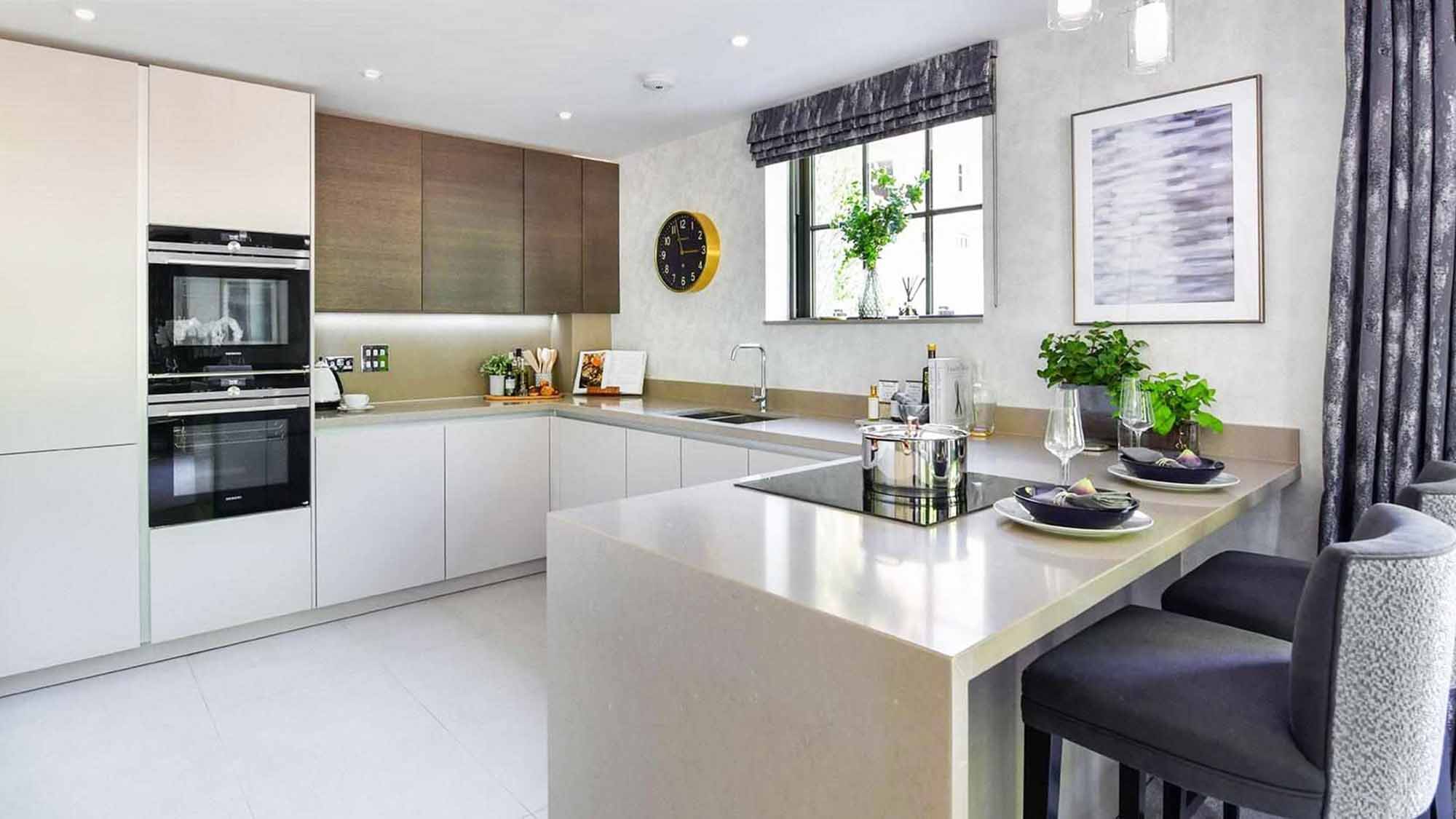
First question: should your kitchen even be open plan?
This is where most people skip ahead. They assume open plan is always the right move.
It isn’t.
If you love cooking properly – high heat, multiple pans, strong smells – you’ll notice the downside quickly. Everything travels. Sound. Steam. Odours.
Even with the best extraction, you’re still sharing that environment with the rest of the room.
That’s why a well-designed luxury fitted kitchen doesn’t just remove walls. It manages separation without making the space feel closed.
Sometimes that means:
- Partial walls or architectural breaks
- Pocket doors that disappear when you want openness
- A second prep kitchen or back kitchen
Open plan works best when it’s controlled. Not completely exposed.
Zoning is everything – even when there are no walls
Walk into a good open plan kitchen and you’ll feel it straight away. The space just makes sense.
Cooking happens in one place. Sitting in another. Dining feels separate, even though it isn’t.
That’s zoning.
Without it, everything blurs into one long room. No rhythm. No structure.
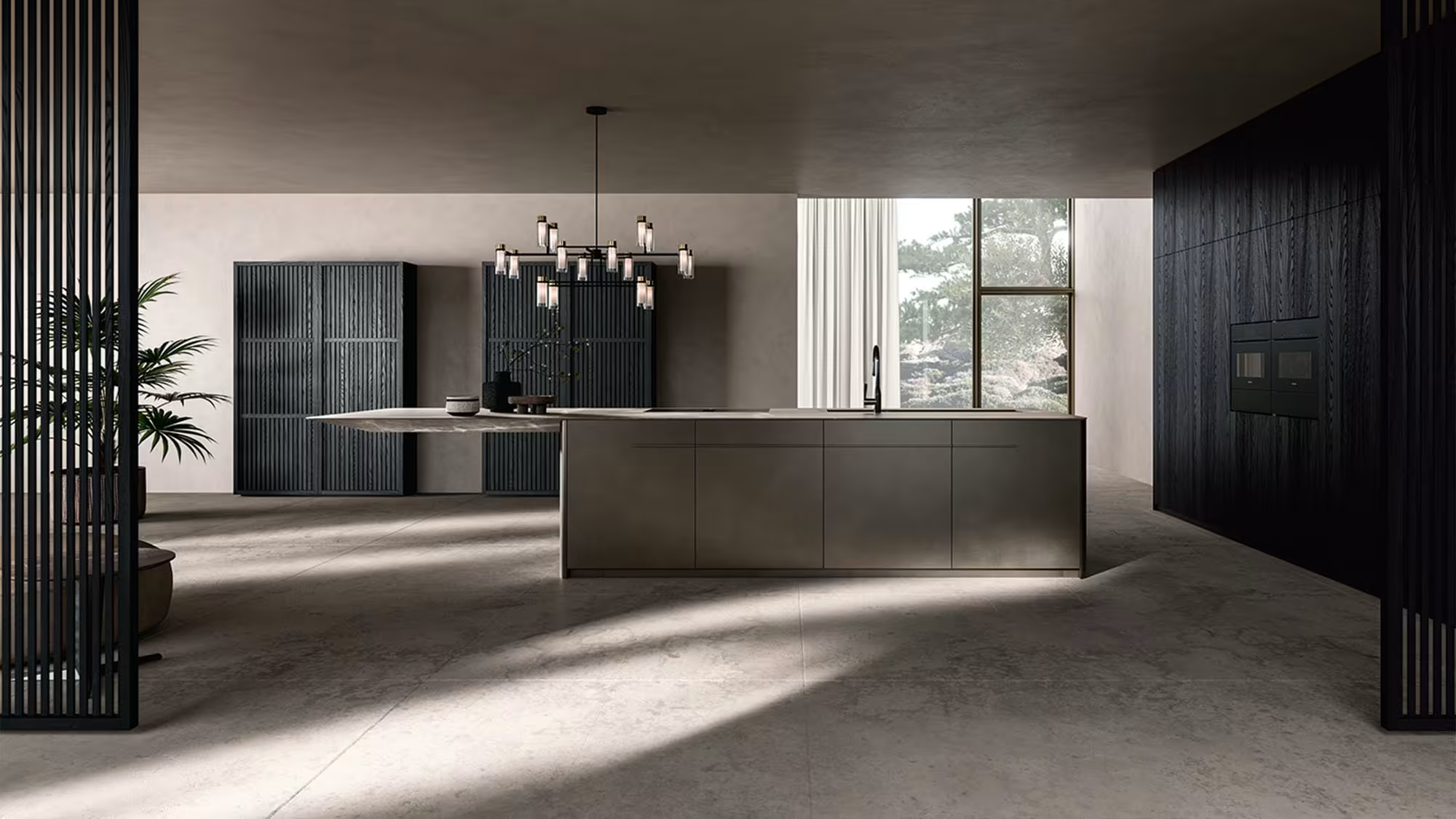
The island often carries too much weight here. People expect it to do everything – prep, cooking, seating, storage. It can work, but only if it’s sized and positioned properly.
If you’re planning an island, it’s worth understanding how it actually functions in real homes. This piece on luxury kitchen islands breaks that down in more detail.
A better approach is to think in layers:
- A working zone for cooking and prep
- A social edge where people can sit without getting in the way
- A transition space between kitchen and living
That’s what creates flow.
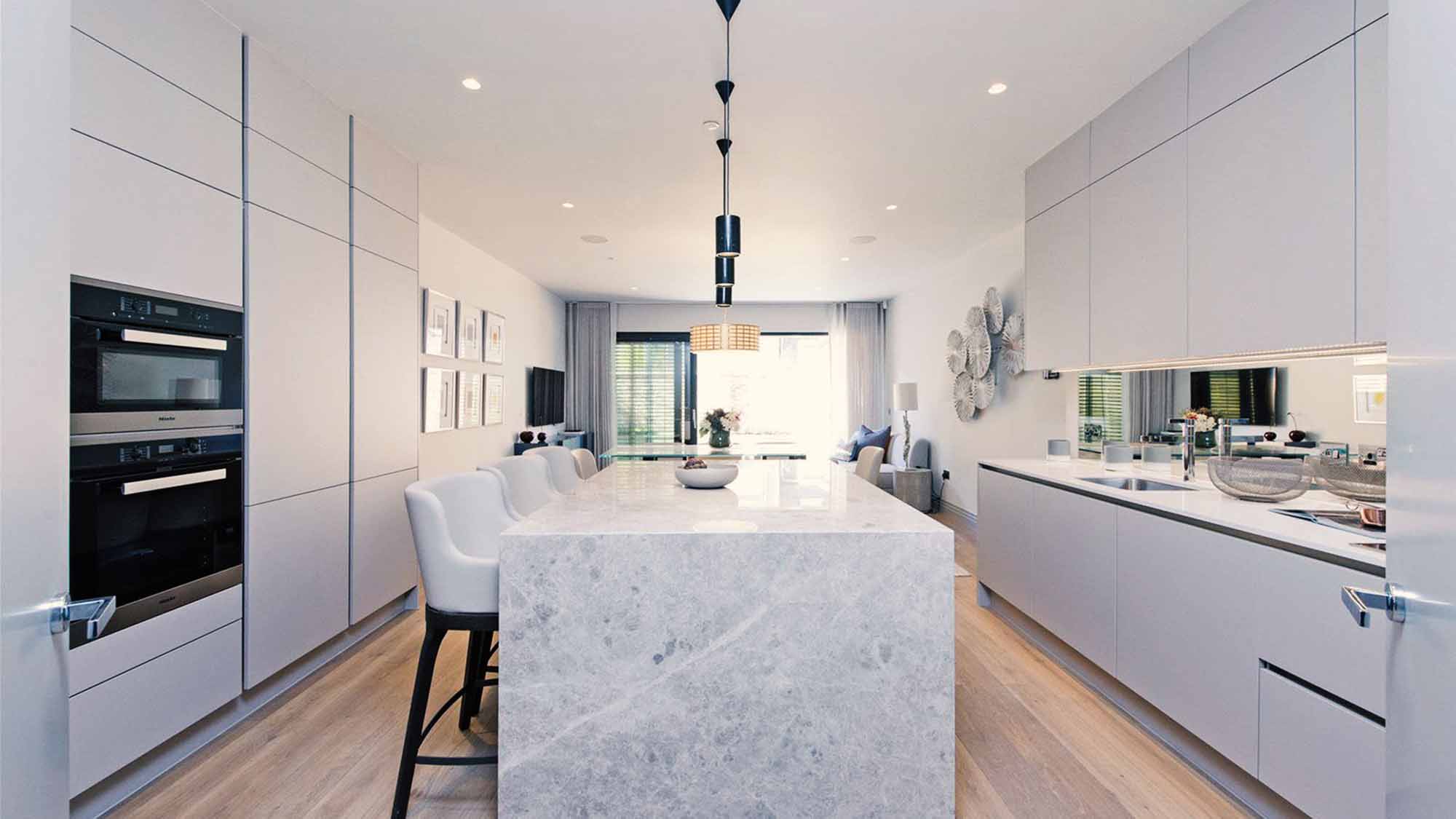
The biggest mistake: designing for looks before movement
This is where things quietly go wrong.
People focus on finishes, colours, appliances. All important. But secondary.
What matters first is how you move.
Can two people cook at the same time without crossing paths?
Can someone sit at the island without being in the way?
Can you get from fridge to hob without detouring around furniture?
If not, it doesn’t matter how good it looks.
A luxury fitted kitchen should feel intuitive. You shouldn’t have to think about where things are or how to use the space. It just works.
Let’s talk about noise – because no one does
Open plan looks peaceful in photos. In reality, it’s a different story.
Extractor running. Dishwasher humming. Cutlery. Conversations bouncing off hard surfaces.
It adds up.
This is where appliance choice starts to matter in a very real way. Quiet extraction, integrated systems, and induction cooking all play a role in reducing background noise.
If you’re weighing up different setups, this guide on induction vs gas vs downdraft is worth reading alongside this.
But it’s not just appliances.
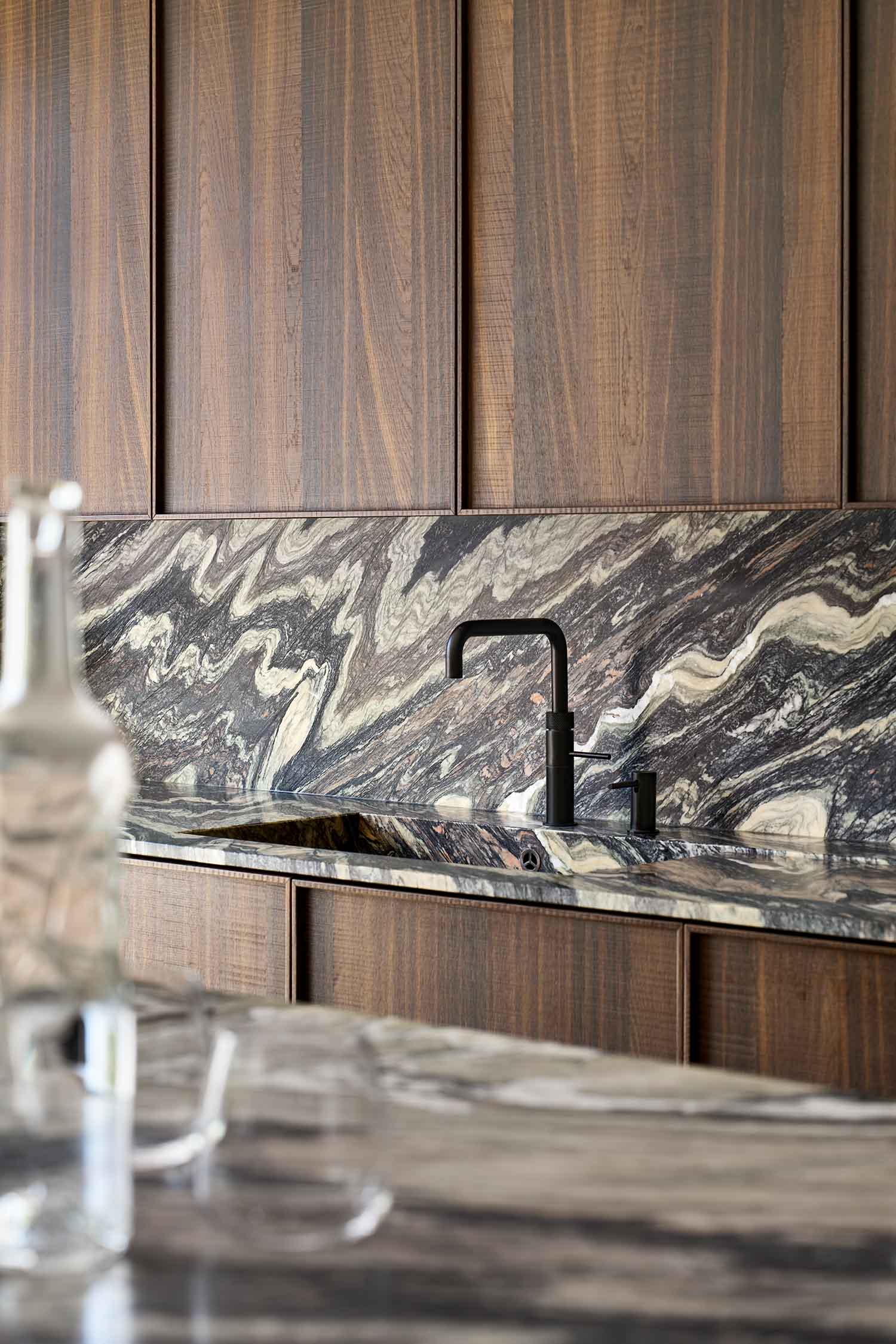
Materials matter too. Stone, glass, and polished surfaces reflect sound. Timber, fabrics, and softer finishes absorb it.
A balanced mix makes a huge difference.
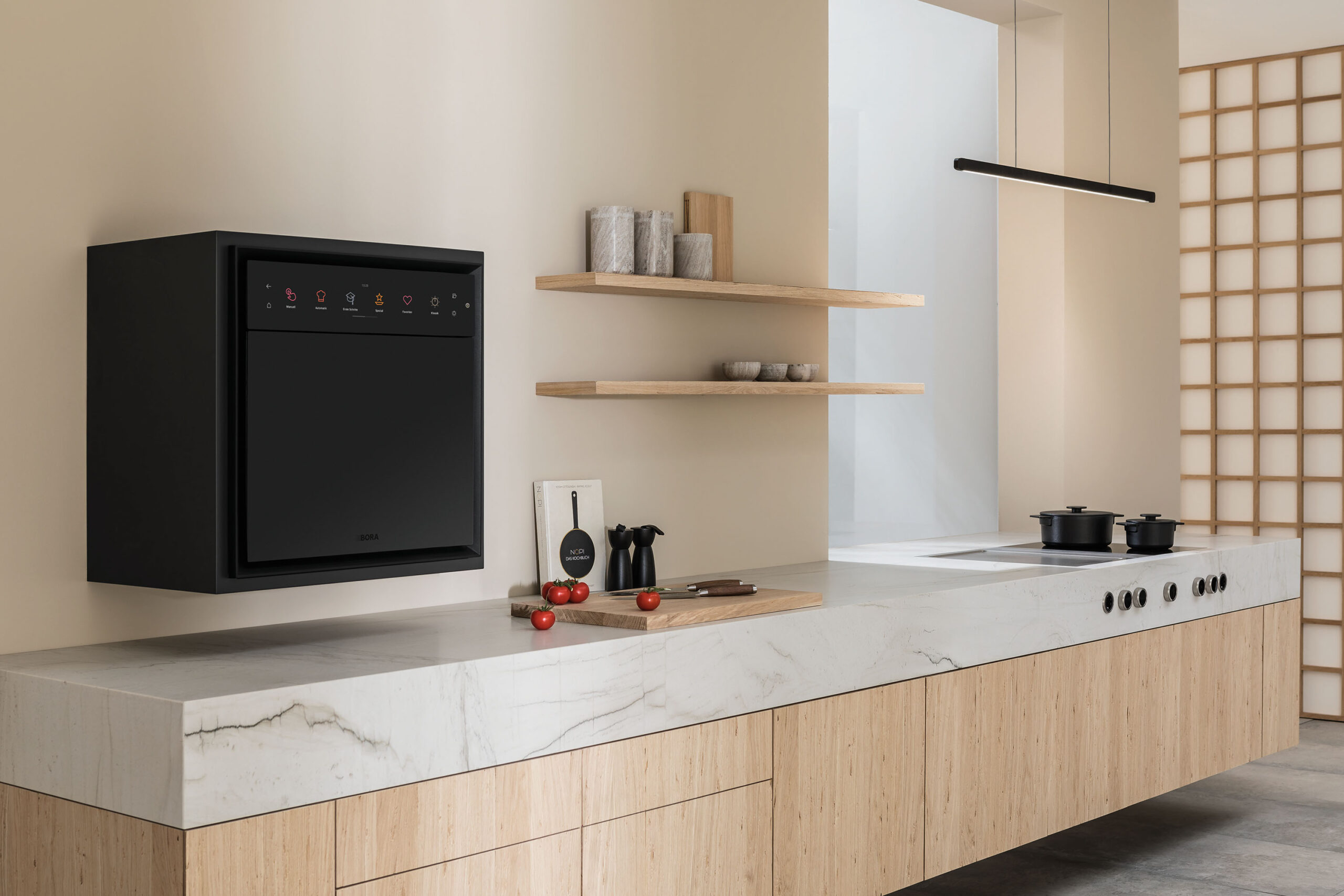
Storage is what keeps it looking like the photos
Here’s the uncomfortable truth.
Most open plan kitchens only look good when they’re tidy.
And they only stay tidy when storage has been properly thought through.
That means more than cupboards. It means:
- Deep drawers where everything has a place
- Tall units that hide everyday clutter
- Appliance garages to keep surfaces clean
- Thoughtful internal organisation
Without that, surfaces fill up quickly. And in an open plan space, there’s nowhere to hide it.
If you’re choosing finishes, durability also plays into this. Some materials handle daily use far better than others. This guide on what worktops last longest is a useful reference when making those decisions.
Lighting changes everything
Most people underestimate lighting.
They think in terms of fixtures – pendants over the island, maybe some spotlights.
But in an open plan kitchen, lighting is what defines the space once the sun goes down.
You need layers:
- Task lighting for cooking and prep
- Ambient lighting to soften the room
- Feature lighting to draw attention to key areas
Done properly, lighting creates zones without building walls. It shifts the mood depending on time of day. It makes the space feel intentional.
Done badly, everything is either too bright or too flat.
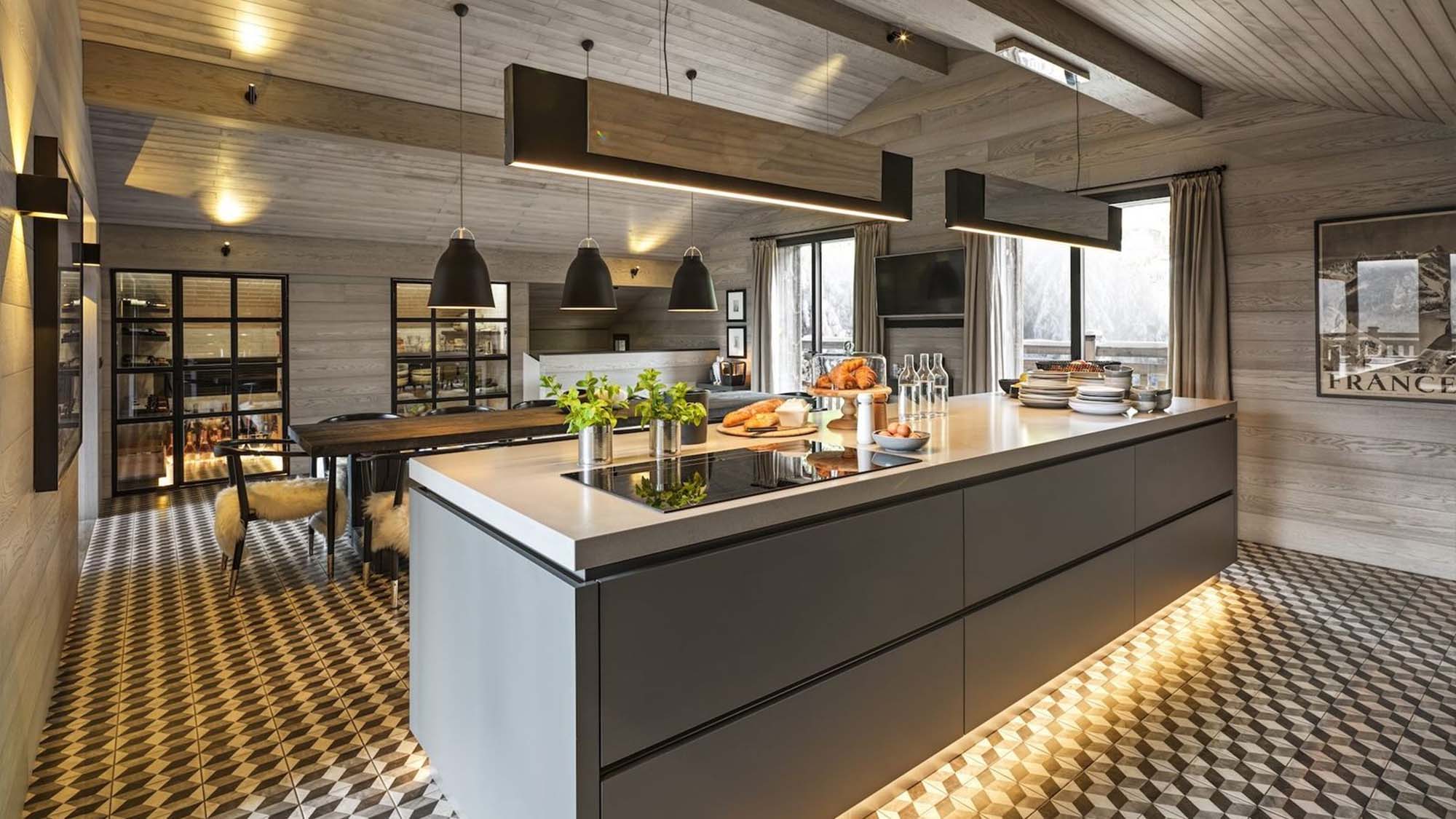
When open plan doesn’t work
It’s worth being honest about this.
Open plan is not always the right choice.
It can struggle when:
- The space is too long and narrow
- There’s no clear place for dining
- Storage is limited
- Cooking is a serious, daily activity
- The room doubles as a work or study space
In these cases, a more structured layout often works better. Or a hybrid approach – open, but with subtle separation.
The goal isn’t openness for the sake of it. It’s usability.
So what actually works?
A successful open plan luxury fitted kitchen tends to have a few things in common:
- It’s designed around real life, not just visuals
- It has clear zones, even without walls
- Movement through the space feels natural
- Noise and clutter have been considered upfront
- Lighting supports how the room is used, not just how it looks
Get those right, and the space feels effortless.
Miss them, and no amount of high-end finishes will fix it.
Final thought
Open plan kitchens aren’t going anywhere. But the way they’re designed is shifting.
Less about showing everything. More about controlling what you see, hear, and experience.
That’s where good design sits now.
If you’re at the stage of planning your own space, start with how you want to live in it. Not how you want it to look in a photo.
The rest follows from there.
Frequently Asked Questions
Is an open plan kitchen worth it in the UK?
For many homes, yes – but it depends on how you live. Open plan kitchens work well for entertaining, family life, and creating a sense of space. However, they need careful planning to manage noise, cooking smells, and clutter. A well-designed luxury fitted kitchen will balance openness with subtle separation so the space still feels calm and functional.
How do you zone an open plan kitchen properly?
Zoning is about creating clear areas for cooking, dining, and relaxing – even without walls. This can be done through layout, lighting, flooring changes, or furniture placement. Kitchen islands often act as a natural divider, but the key is ensuring each zone has a clear purpose and doesn’t interrupt movement through the space.
What is the biggest mistake in open plan kitchen design?
The most common mistake is prioritising how the kitchen looks over how it works. Poor layout, limited storage, and lack of defined zones can quickly make the space feel cluttered and impractical. A successful design focuses on flow, usability, and how the space will be used day to day.
How do you stop an open plan kitchen from looking messy?
Storage is critical. Deep drawers, tall cabinetry, and concealed storage solutions help keep surfaces clear. Integrated appliances and appliance garages also reduce visual clutter. Without proper storage, even the most expensive kitchen will struggle to stay tidy in an open plan setting.
Are islands always a good idea in open plan kitchens?
Not always. While islands can be highly functional, they need enough space around them to work properly. In smaller or awkward layouts, they can disrupt flow rather than improve it. In some cases, a peninsula or a more compact layout may be a better solution.
What appliances work best in an open plan kitchen?
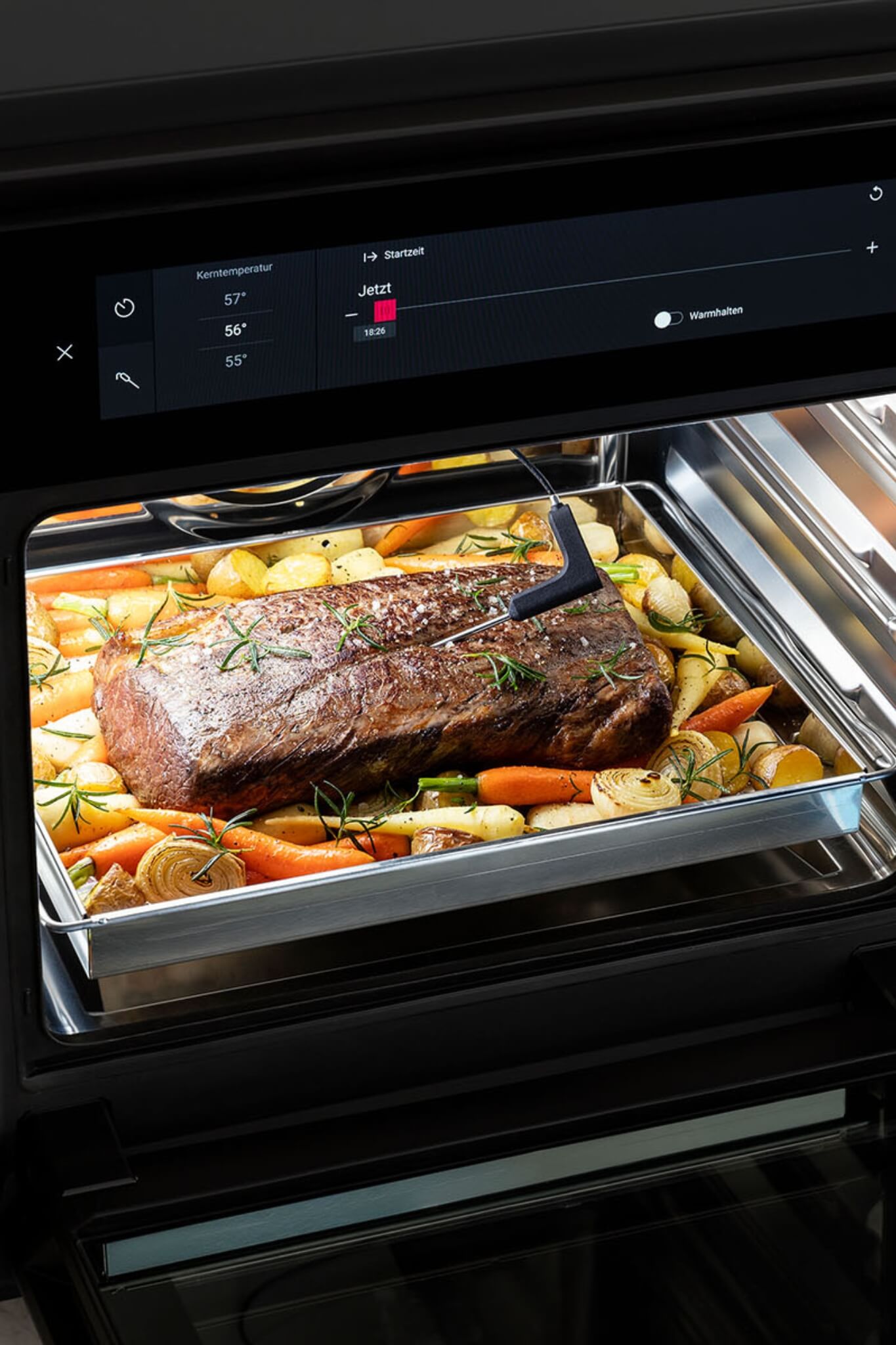
Quiet, high-performance appliances are essential. Induction hobs, integrated extraction systems, and well-insulated dishwashers help reduce noise and disruption. Choosing the right appliances can make a significant difference to how comfortable the space feels when cooking and entertaining.
Does open plan add value to a home?
In many cases, yes. Open plan layouts are popular with buyers and can make a property feel larger and more sociable. However, value comes from good design rather than openness alone. A poorly executed layout can have the opposite effect, so it’s important to get the fundamentals right.