If you’re planning a kitchen, this question usually comes up early.
Not because people are worried about damage straight away, but because they don’t want to get it wrong. A worktop isn’t something you swap out in a couple of years. It needs to hold up. And when you’re looking at luxury kitchen designs, the surface you choose has a big say in how the whole space looks, feels and performs over time.
So what actually lasts the longest?
Let’s start with the honest answer.
Does any worktop really “last forever”?
No. Every material changes over time.
Some resist wear. Others show it. The real question isn’t just longevity – it’s how that material ages while you’re living with it.
Do you want something that looks almost untouched years down the line? Or something that softens and develops character?
As Matthew Yeatman of Krieder puts it:
“Choosing a worktop isn’t just about how it looks on day one. It’s about how it performs over time, and how it fits the way you actually live in your kitchen.”
Once you know that, the decision gets easier.
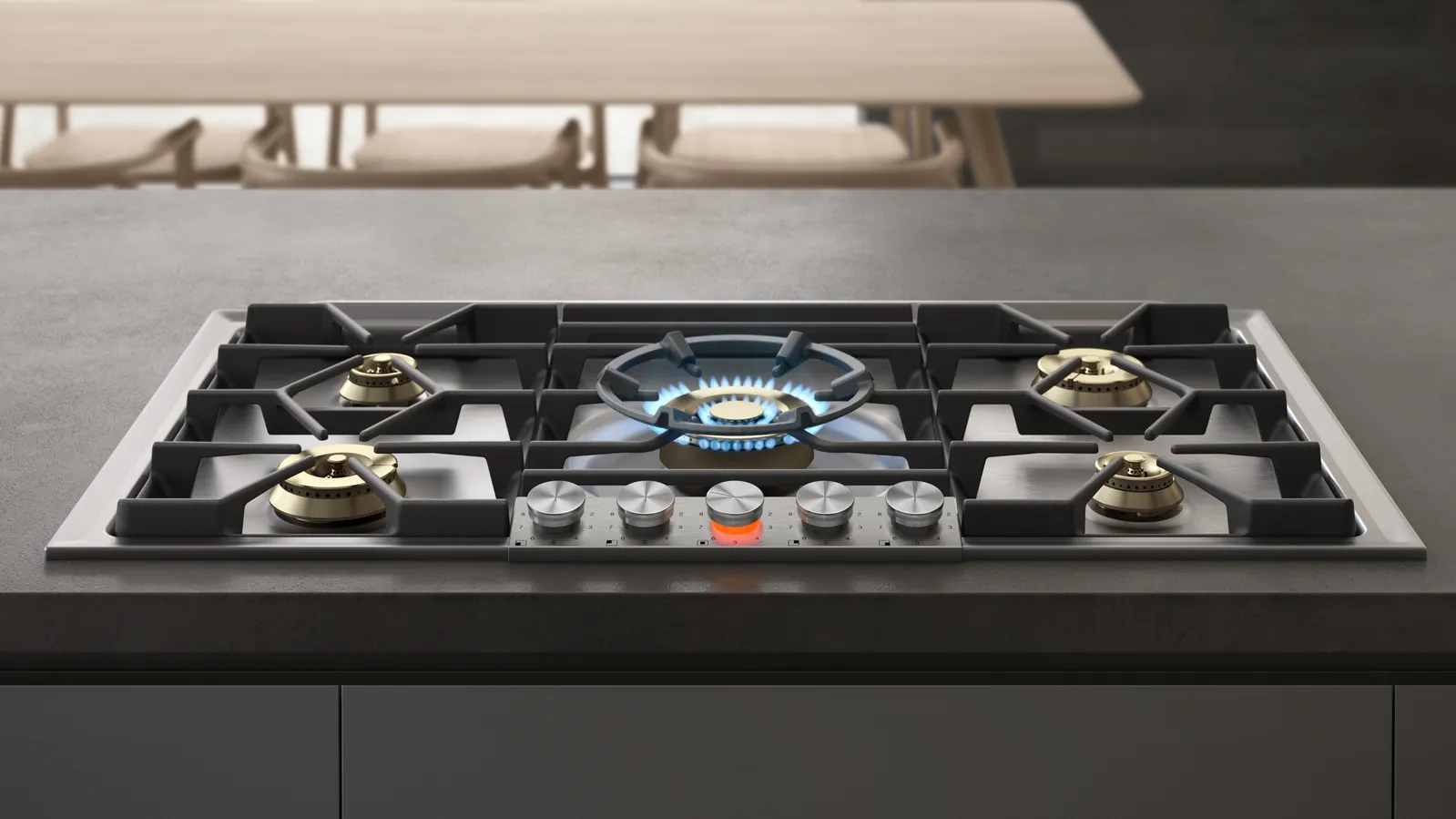
Which worktops are the most durable day to day?
If you’re thinking purely in terms of durability, three materials keep coming up:
- Quartz
- Porcelain
- Sintered stone, such as Dekton
Why these?
Because they’re engineered to deal with real life. Heat, spills, scratches, sunlight – all the things that quietly wear down a surface over time.
You don’t have to think about them too much. And that’s often the point.
Is quartz still a good option, or is it a bit standard now?
Quartz is still one of the safest choices you can make.
It’s non-porous, so it won’t absorb liquids. It doesn’t need sealing. It handles daily use without much effort on your part.
The trade-off?
It’s controlled. Consistent. You won’t get the same natural variation you would with stone.
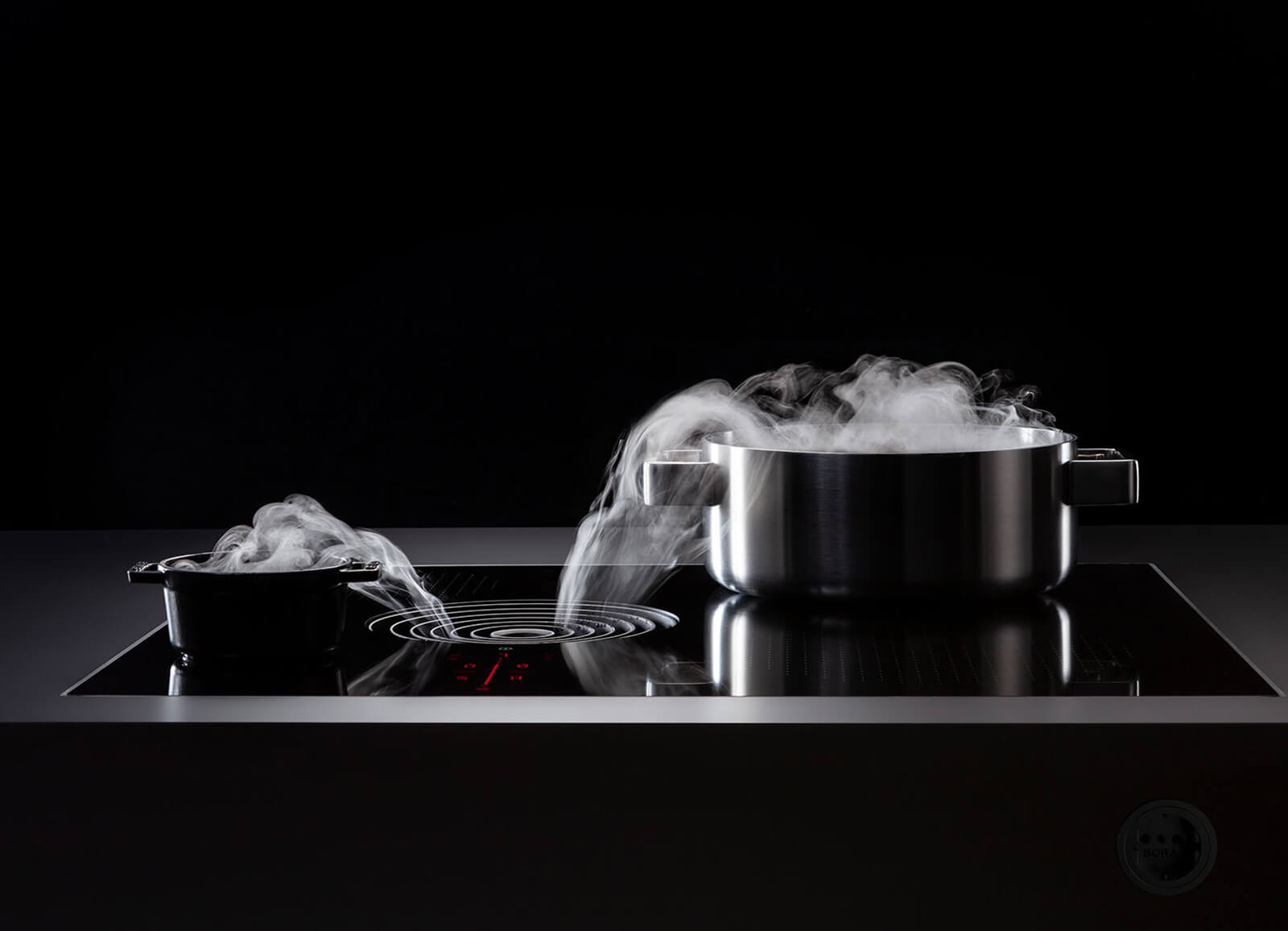
Some people want that uniformity. Others find it lacks a bit of soul. It depends what you’re after.
What about porcelain – why is everyone talking about it?
Because it performs.
Porcelain is incredibly resistant to heat, scratches and UV light. That last one matters more than most people expect, especially in bright, open spaces.
You can put a hot pan down without worrying. It won’t fade in sunlight. It won’t stain easily.
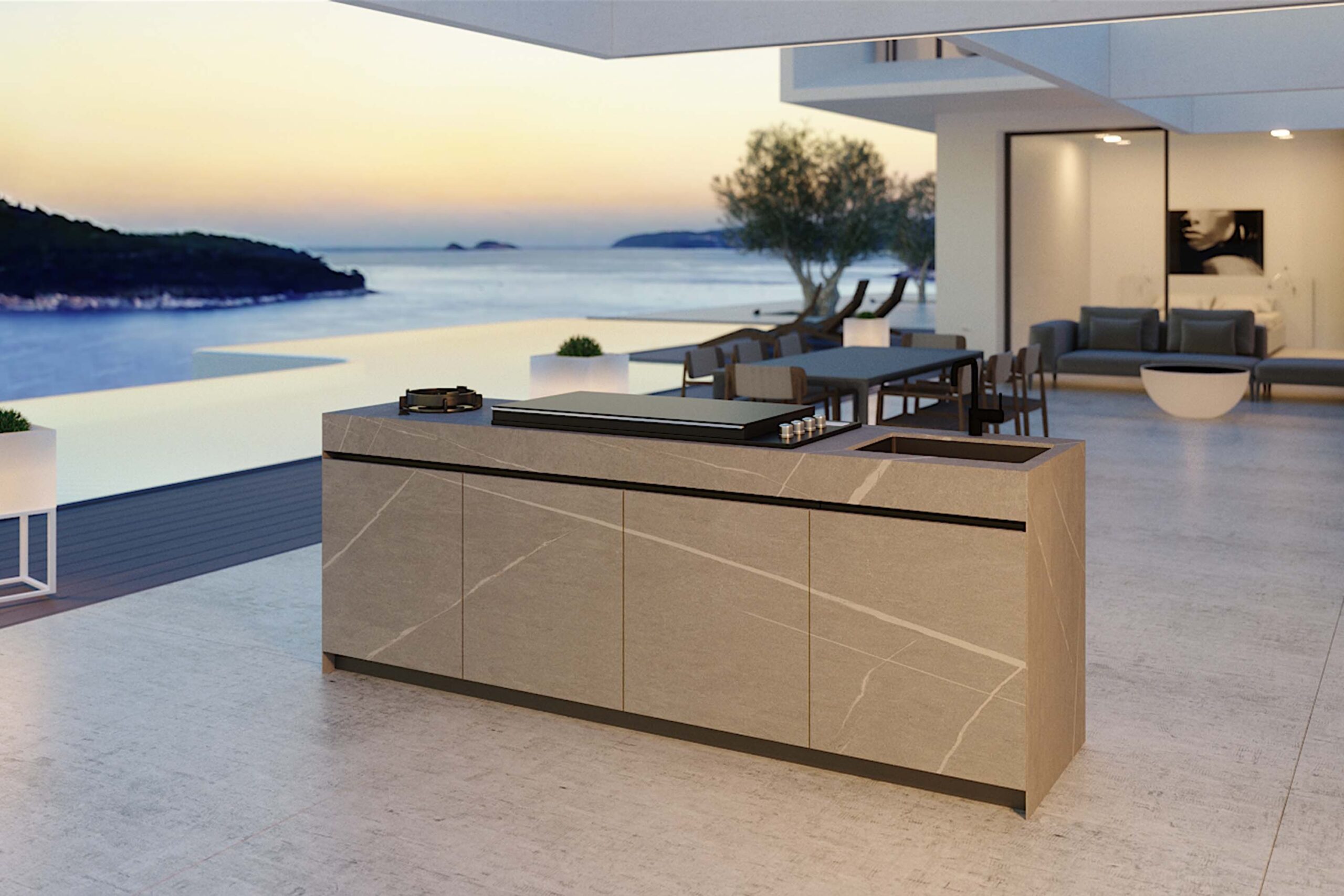
It’s also one of the few materials that works just as well outside, which is why it makes sense in outdoor kitchens too.
Where do materials like Dekton sit?
At the top end of performance.
Sintered stone like Dekton is made under extreme heat and pressure, which creates a surface that’s very difficult to damage in a normal kitchen.
It’s highly scratch resistant, extremely heat resistant, non-porous and UV stable.
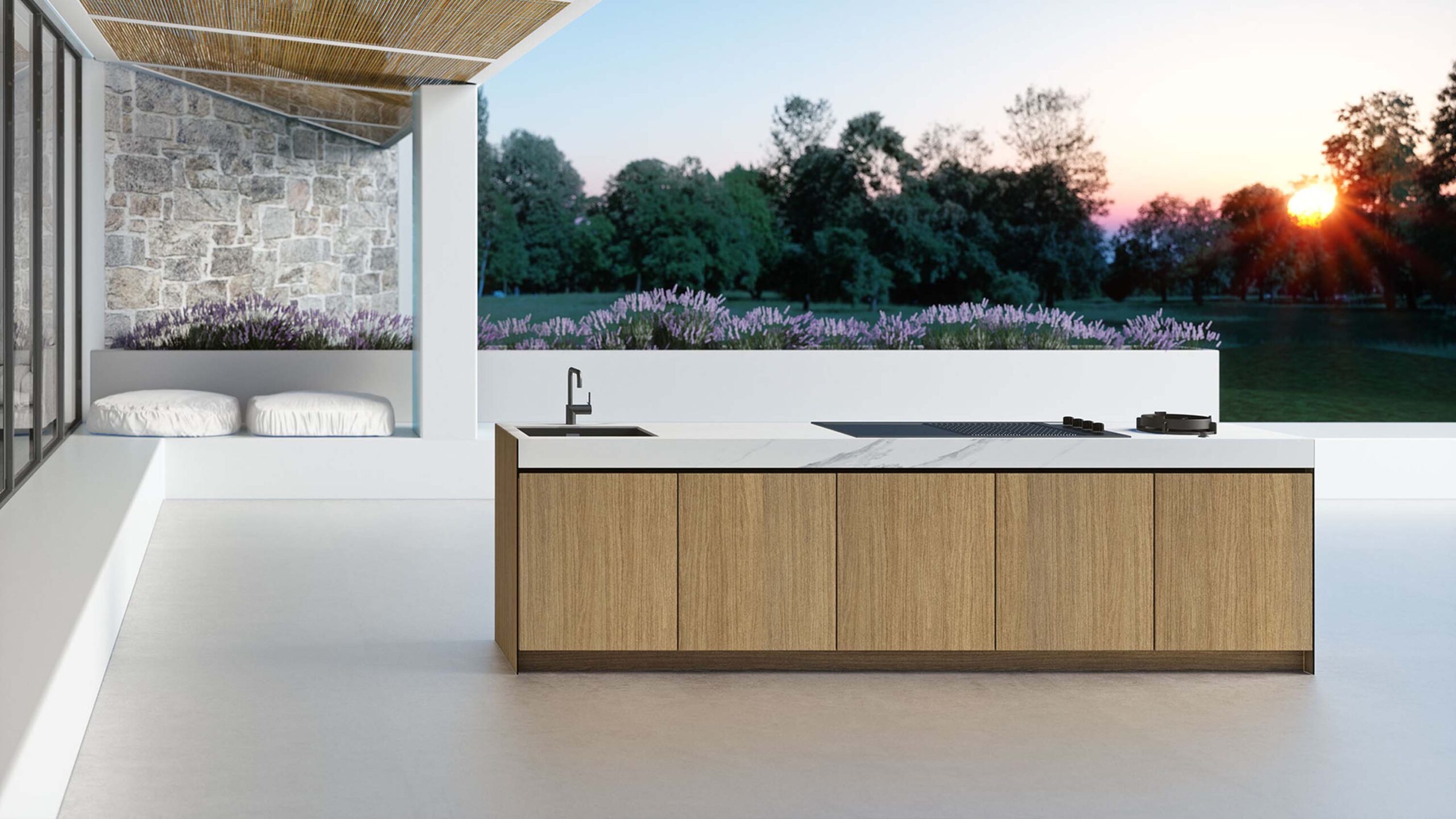
In practical terms, it’s built for busy kitchens where things get used properly.
Is granite still worth considering?
Yes, but with a caveat.
Granite is tough. It handles heat well. And every slab is different, which gives it a more natural feel than engineered materials.
And marble… is it a bad idea?
Not at all. But you need to go in with your eyes open.
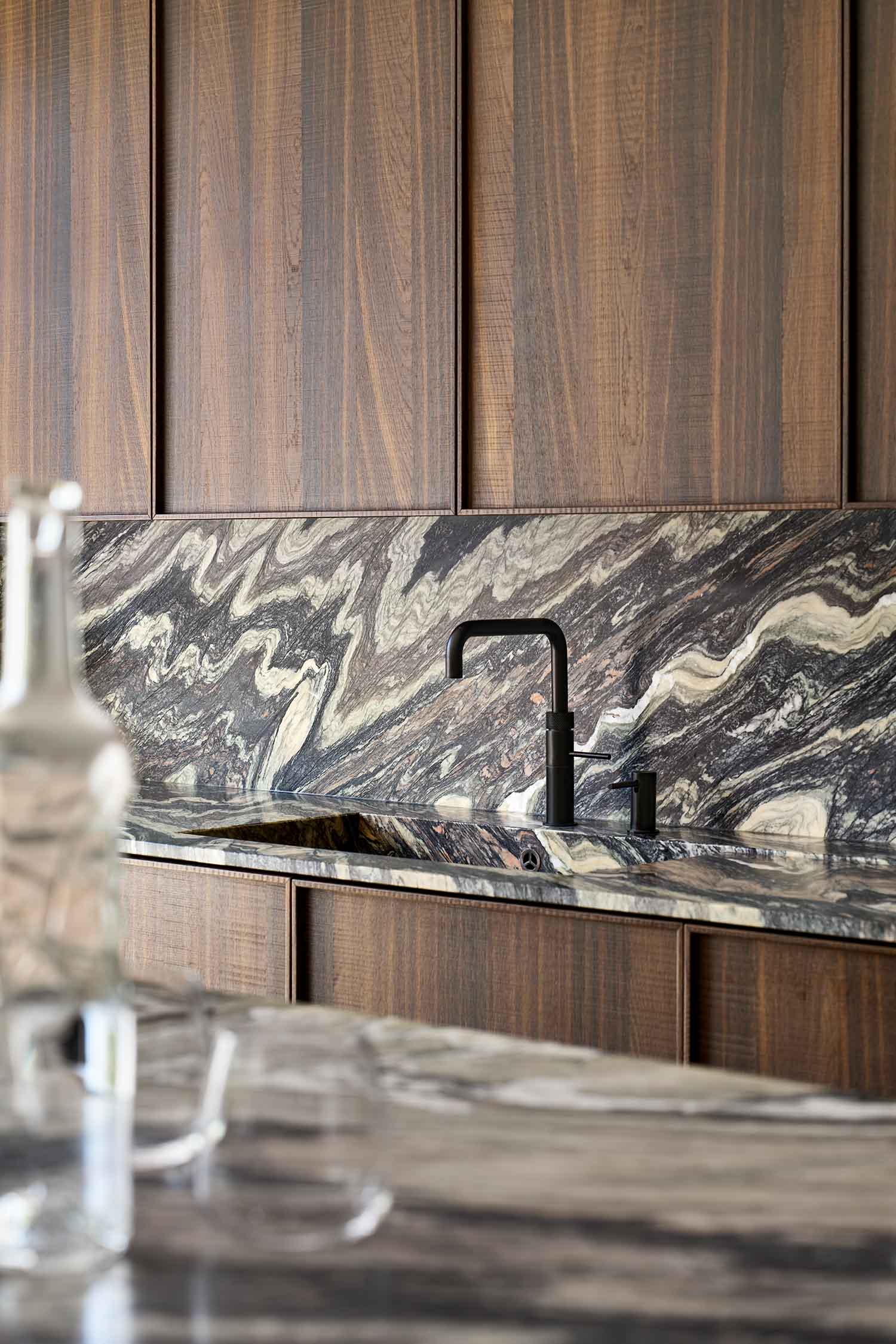
Marble is softer. It can etch. It can stain. It will change over time.

Some people love how marble ages. It tells a story. It becomes part of the kitchen rather than staying pristine.
So which worktop actually lasts the longest?
If we’re talking purely about resistance to wear, then porcelain, sintered stone and quartz are the strongest all-rounders.
Granite sits just behind, depending on upkeep.
Marble sits in its own category entirely. It lasts, but it evolves.
What should you choose for your kitchen?
This is where it shifts from materials to lifestyle.
Do you cook a lot?
Do you entertain?
Do you want something you never have to think about?
Or something that feels more natural, even if it marks slightly over time?
If you want to understand how these decisions fit into the wider design journey, it’s worth reading from first brief to final install and how long a luxury kitchen takes.
Final thought
The longest-lasting worktop isn’t always the one that resists everything.
It’s the one that still feels right after years of use.
Sometimes that means flawless. Sometimes that means lived-in.
The key is knowing which one you actually want before you choose.