Minimal kitchens photograph beautifully.
For about five minutes.
Then somebody leaves a cereal box out. A coffee machine migrates onto the worktop. Chargers appear. School letters pile up. Somewhere near the sink, there’s suddenly a growing collection of things nobody remembers putting there.
And that’s usually the moment people realise the problem wasn’t the design. It was the storage.
Because the kitchens that continue to feel calm months and years later are rarely the ones with the most dramatic islands or the most expensive stone. They’re the ones where everything has somewhere sensible to go.
That’s become even more important as kitchens have shifted from practical rooms into living spaces. In many homes now, the kitchen isn’t hidden away at the back of the house. It’s where people work, talk, eat, entertain and drift through all day long.
Which means the clutter never really disappears from view.
If you’re exploring luxury kitchen designs, good storage isn’t a finishing touch. It’s the thing quietly holding the entire space together.
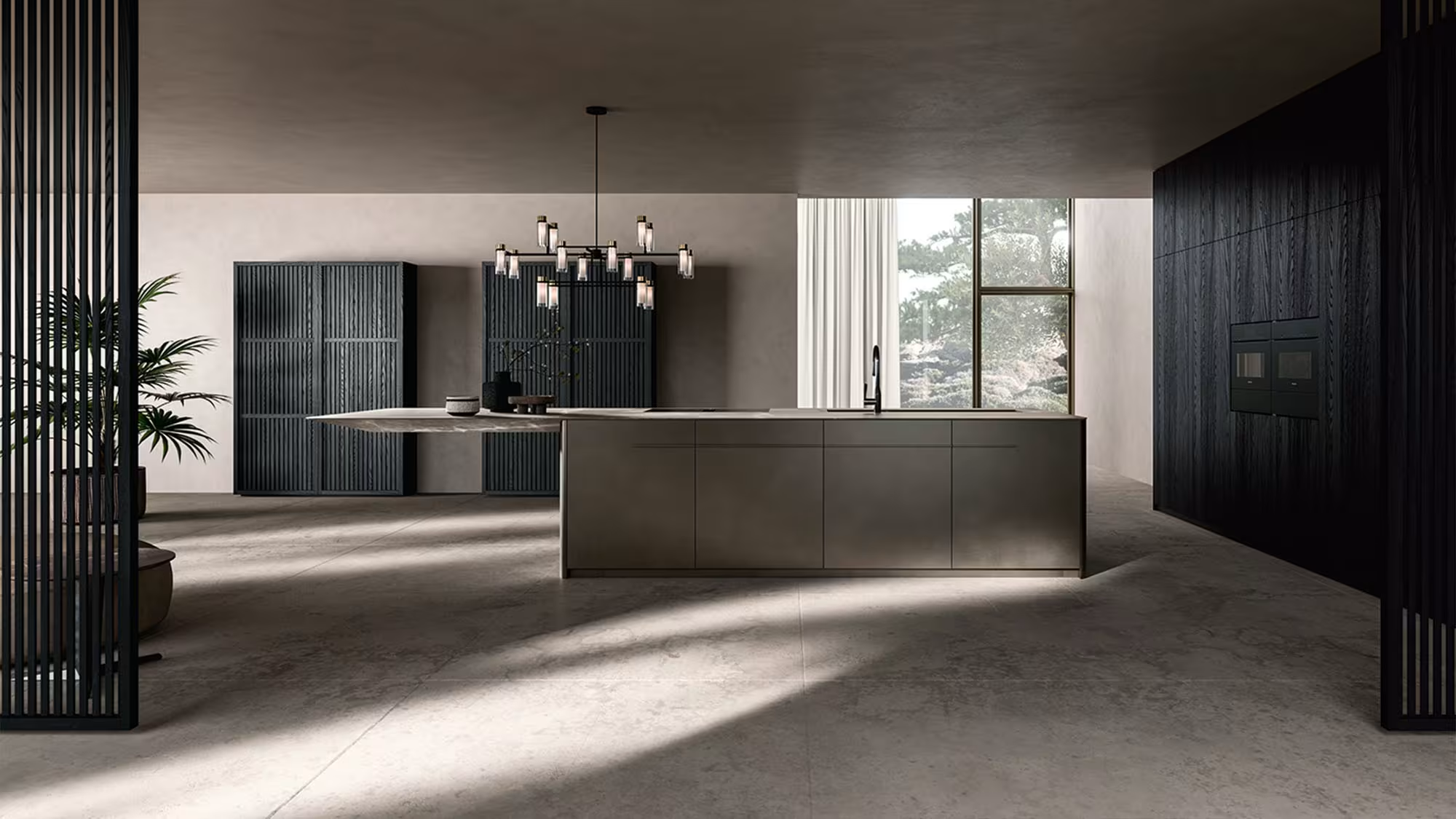
Why storage quietly defines how a kitchen feels
People often talk about kitchens visually.
Colour. Worktops. Lighting. Cabinetry.
But the feeling of a kitchen usually comes from something less obvious.
How easily things move through it.
A kitchen with poor storage starts to feel noisy surprisingly quickly. Not literally noisy. Mentally noisy. Too many things visible at once. Too many surfaces collecting life.
That’s one of the reasons modern open-plan kitchens have pushed storage design so much further over the past few years. Once the kitchen became permanently visible from the living space, the old approach stopped working.
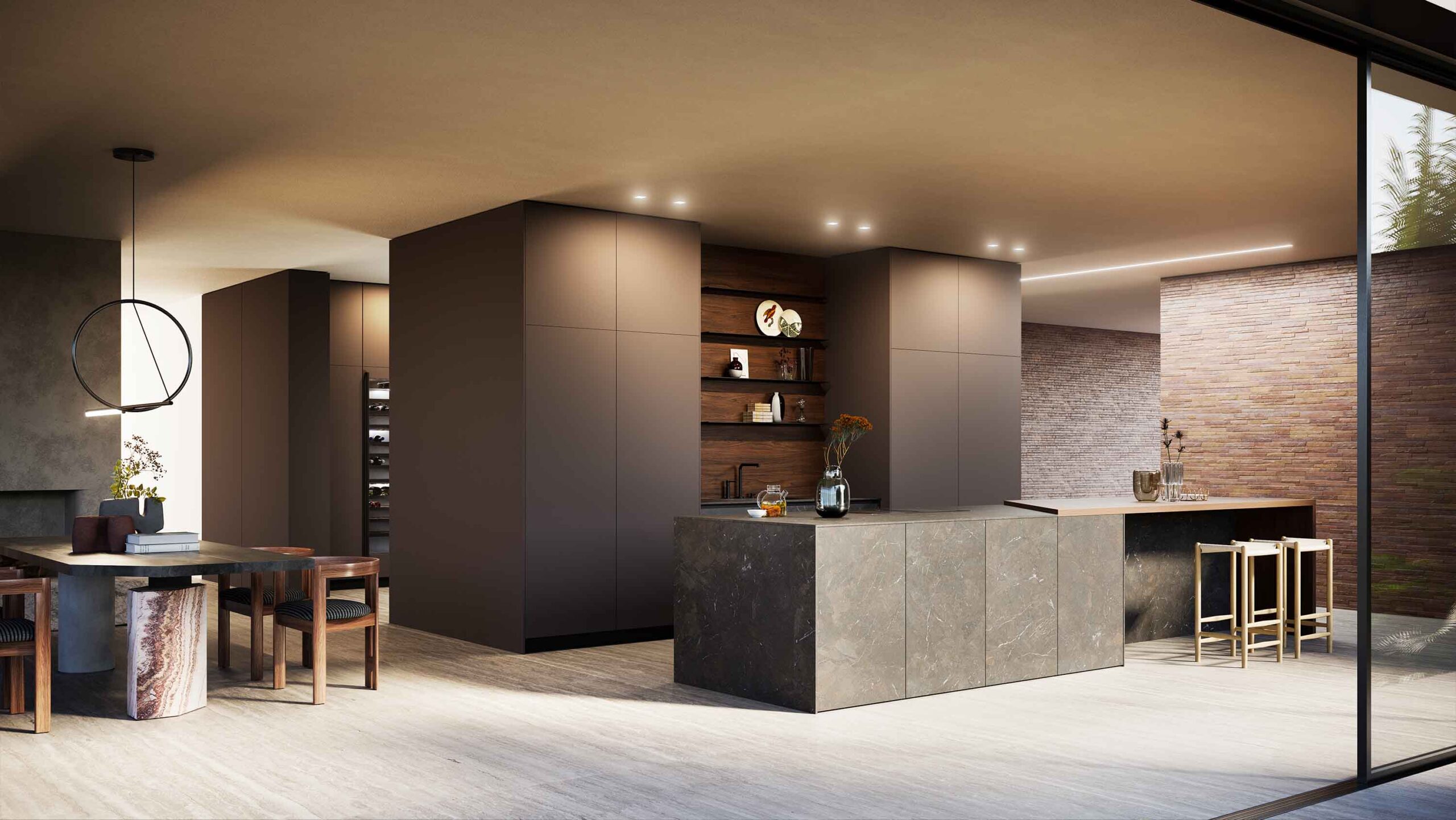
You can see this shift in a lot of newer open-plan luxury kitchen designs. The spaces that feel calm aren’t necessarily emptier. They’re simply better at hiding the functional side of everyday life.
And that changes how the room behaves.
The best kitchens don’t feel organised by accident. They’ve been designed that way from the start.
The shift towards hidden kitchens
There’s a reason modern kitchens have become visually quieter.
Not because people suddenly own fewer things.
Quite the opposite.
The difference is that premium kitchens increasingly hide the working parts of daily life rather than displaying them.
Coffee machines disappear behind pocket doors. Charging cables vanish into drawers. Breakfast cupboards close away completely once the morning rush is over. Even sockets have become less visible, something explored further in our piece on concealed kitchen sockets.
This isn’t really about minimalism for the sake of it. It’s about reducing visual friction.
A worktop with fewer interruptions simply feels calmer to stand in front of.
That’s one of the reasons appliance garages and hidden prep zones have become so popular in higher-end kitchens. Particularly in open-plan homes, people increasingly want the kitchen to shift easily between functional and social.
There’s also been a noticeable move towards secondary preparation spaces. Small back kitchens. Walk-in pantries. Hidden utility zones tucked behind the main room.
Not because the primary kitchen stops functioning, but because modern kitchens are now expected to do so much more than cook.
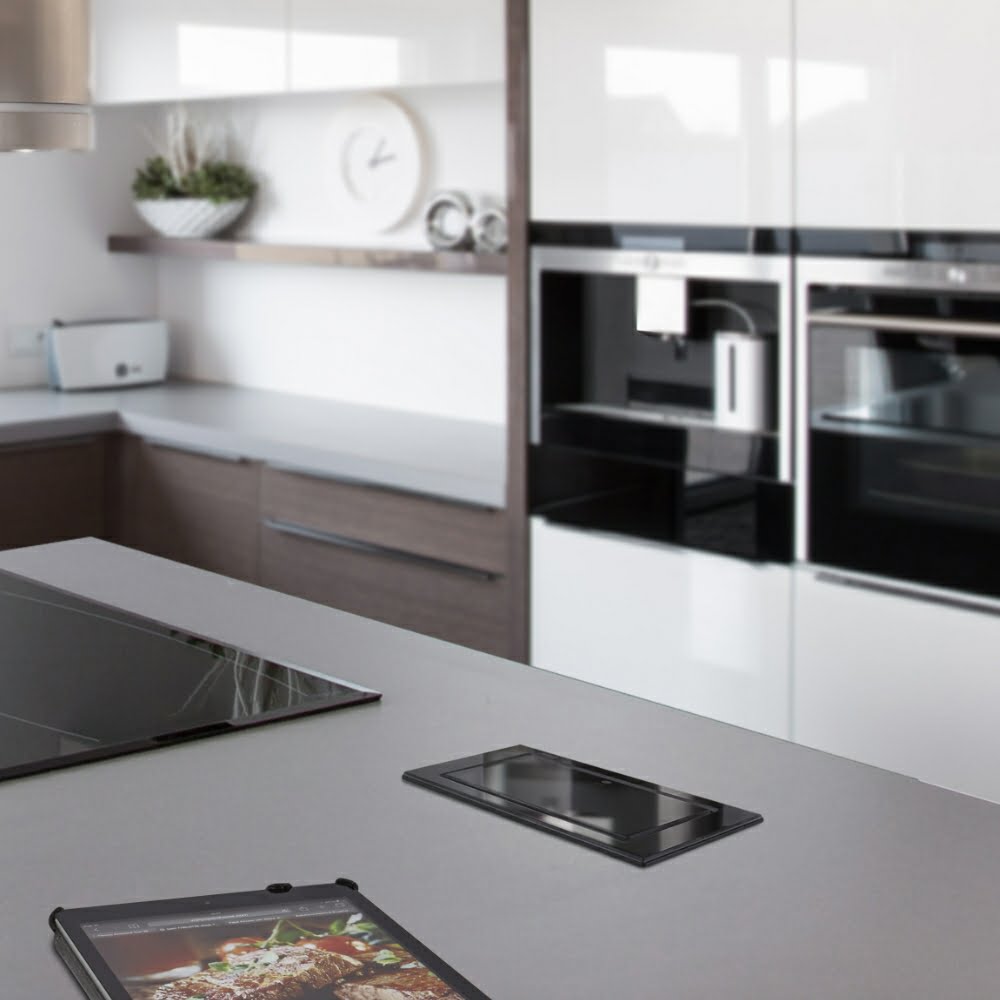
Why deep drawers changed modern kitchen design
One of the quiet revolutions in kitchen design has been the move away from traditional lower cupboards.
Most people don’t think about it until they use a well-designed drawer system properly for the first time.
Then they suddenly realise how frustrating cupboards actually were.
Deep drawers changed the experience completely.
You can see everything immediately. No crouching down trying to reach into the back of a dark cabinet. No stacks of pans collapsing onto each other every time something gets moved.
And visually, drawers help maintain cleaner lines too, particularly in more contemporary kitchens.
That’s one of the reasons German kitchen design has influenced modern luxury kitchens so heavily. Precision engineering and internal organisation systems became part of the experience, not just something hidden behind the doors. We touched on this more in our comparison of German and Italian kitchens.
The interesting thing is that good storage rarely announces itself.
You only really notice it when it’s missing.
Pantry rooms and back kitchens are becoming more important
There’s been a noticeable shift in the way people use kitchens over the past few years.
Open-plan living brought everyone into the same space. Cooking, entertaining, working, homework, conversations. Everything happening together.
But something else happened too.
People started wanting parts of the mess pushed back out of sight again.
That’s why pantry rooms and secondary prep spaces have become so desirable. Particularly in larger homes.
The appeal isn’t just storage capacity. It’s separation.
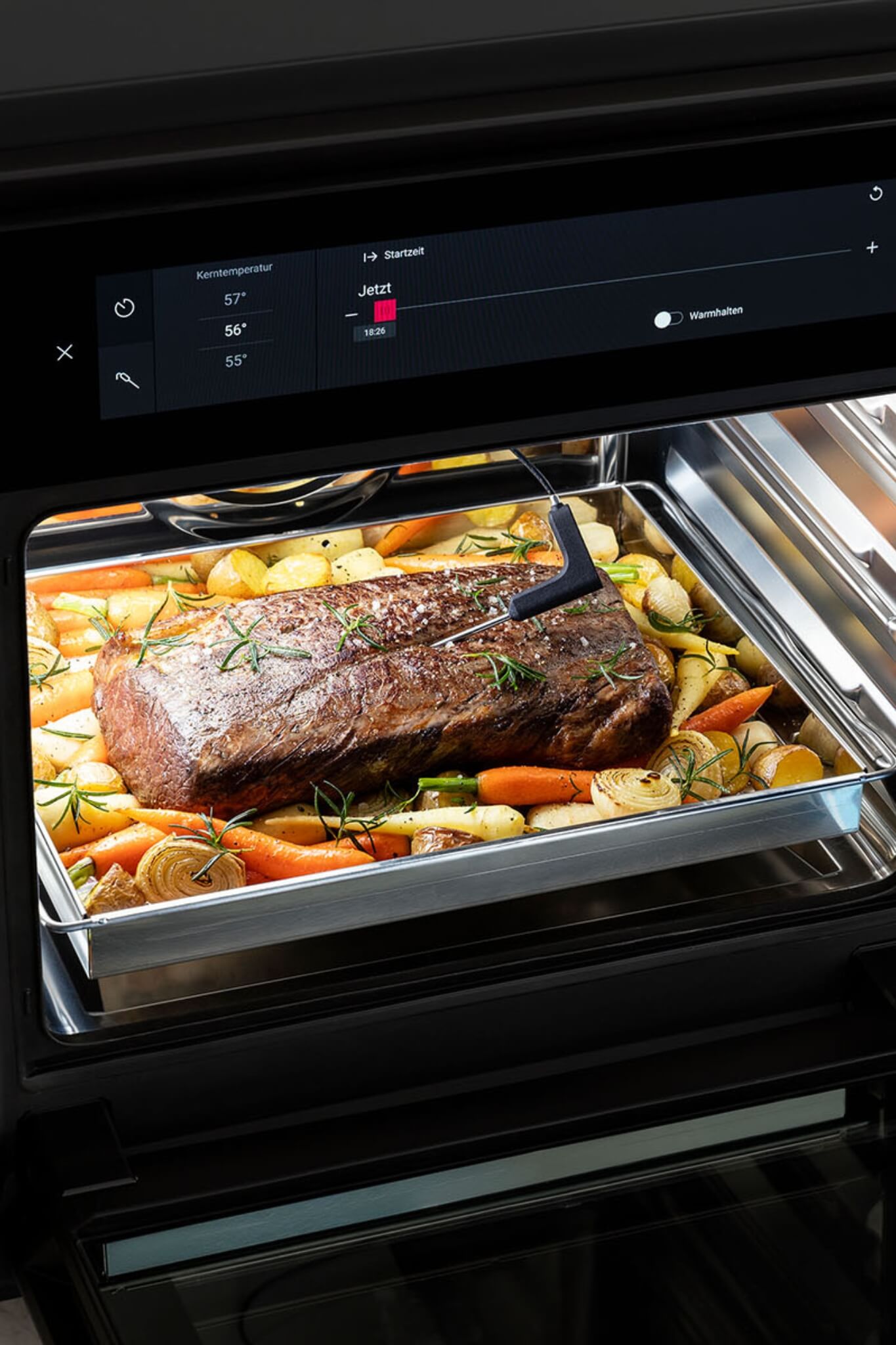
A pantry allows the visible kitchen to stay calm while the practical reality of everyday life happens elsewhere. Bulk shopping. Air fryers. Breakfast prep. Recycling. Dog food. The things nobody really wants dominating the main room.
This sits closely alongside the wider shift explored in designing open-plan kitchens, where the kitchen increasingly behaves more like furniture within a living space rather than a purely functional room.
And that changes the role storage has to play.
Kitchen islands are no longer just statement pieces
Kitchen islands used to be treated almost like sculpture.
Something impressive sitting in the middle of the room.
Now they work much harder than that.
In many modern kitchens, the island quietly handles some of the most important storage in the entire space.
Bins disappear into it. Charging drawers sit hidden inside. Wine storage, hidden sockets, oversized cookware, pet feeding areas, breakfast preparation – increasingly, the island is doing the operational heavy lifting.
Which makes sense.
The island is usually where people naturally gather. Leaning against it while talking. Sitting around it with coffee. Moving around it all day long.
The best ones are designed around that reality.
This is something explored further in our article on luxury kitchen islands, where functionality matters just as much as appearance.
Because once an island becomes part of daily life, bad storage decisions become very obvious very quickly.
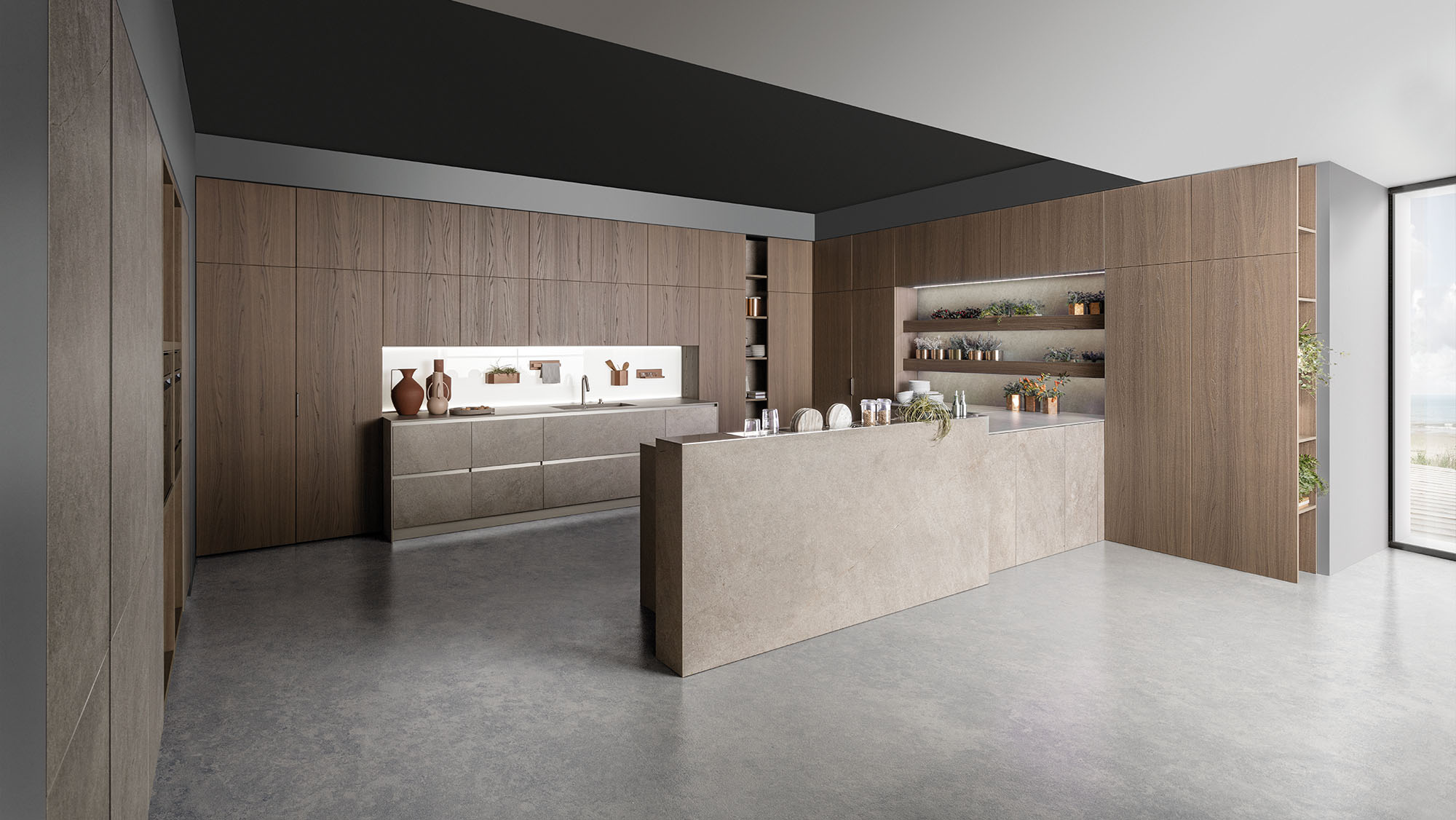
The problem with too much open shelving
Open shelving still looks beautiful in photographs.
But there’s been a noticeable cooling towards it in real homes.
Not because it can’t work. It can.
But because living with it full time is different from styling it for a showroom.
Dust builds up. Packaging creeps in. Objects multiply. Visual noise starts collecting slowly around the room.
And in kitchens designed around clean architectural lines, that clutter becomes surprisingly disruptive.
That’s why many premium kitchens now use open shelving much more selectively. One or two carefully placed display moments rather than entire walls left exposed.
The rest tends to disappear behind cabinetry.
This shift sits alongside broader kitchen movements explored in recent kitchen design trends, where warmth and restraint increasingly matter more than dramatic styling.
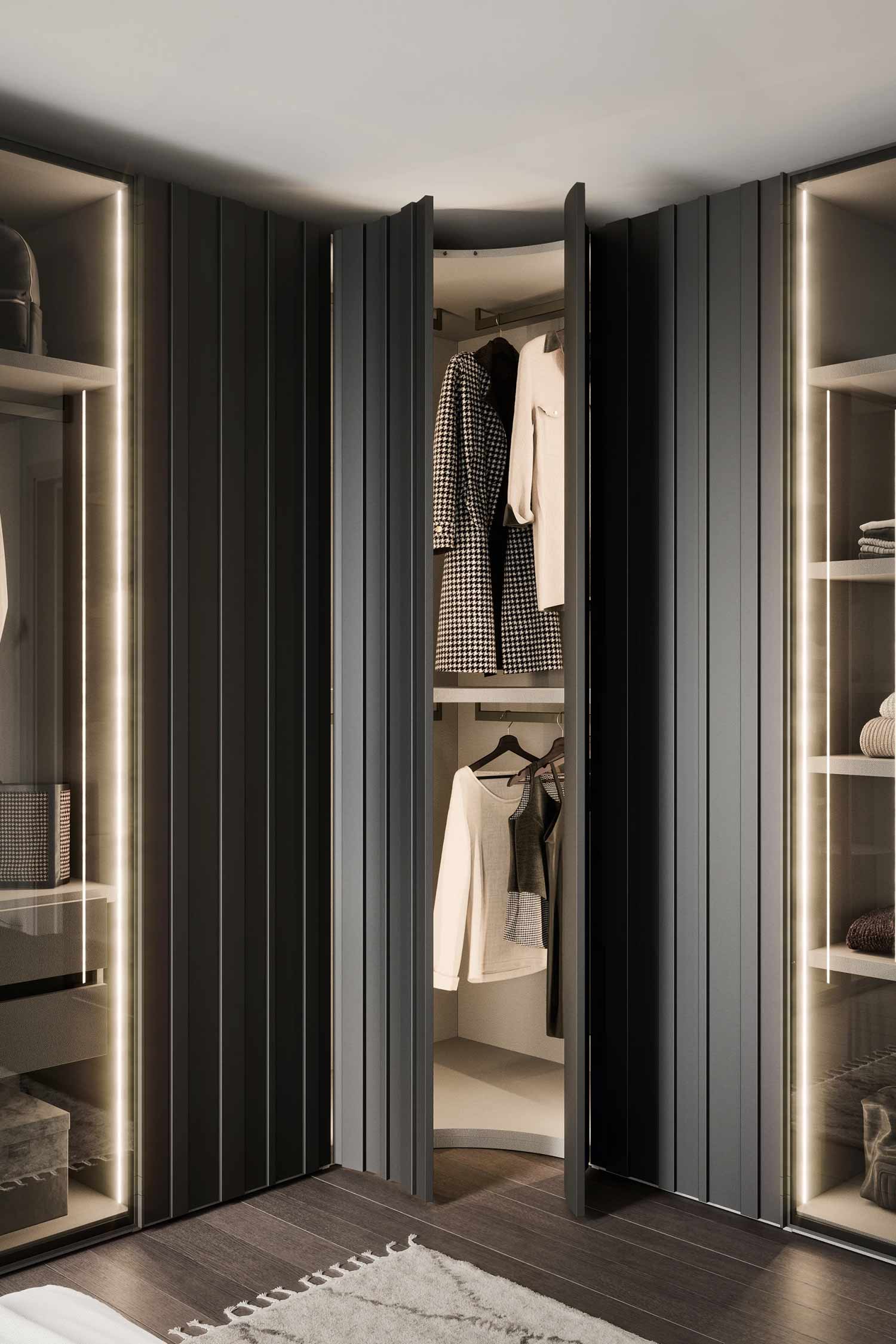
A calm kitchen usually relies on concealment somewhere. It’s also one of the reasons handleless kitchens continue to suit modern homes so well.
Minimalism without storage is mostly just delayed clutter.
Small storage details that make a huge difference
Some of the most useful kitchen storage ideas are the ones people barely notice at first.
Internal drawer lighting, for example.
It sounds minor until you open a deep drawer in the evening and can actually see everything properly.
The same goes for charging drawers. Hidden recycling systems. Spice drawers beside the hob. Internal organisers that stop everything collapsing into chaos after a few weeks.
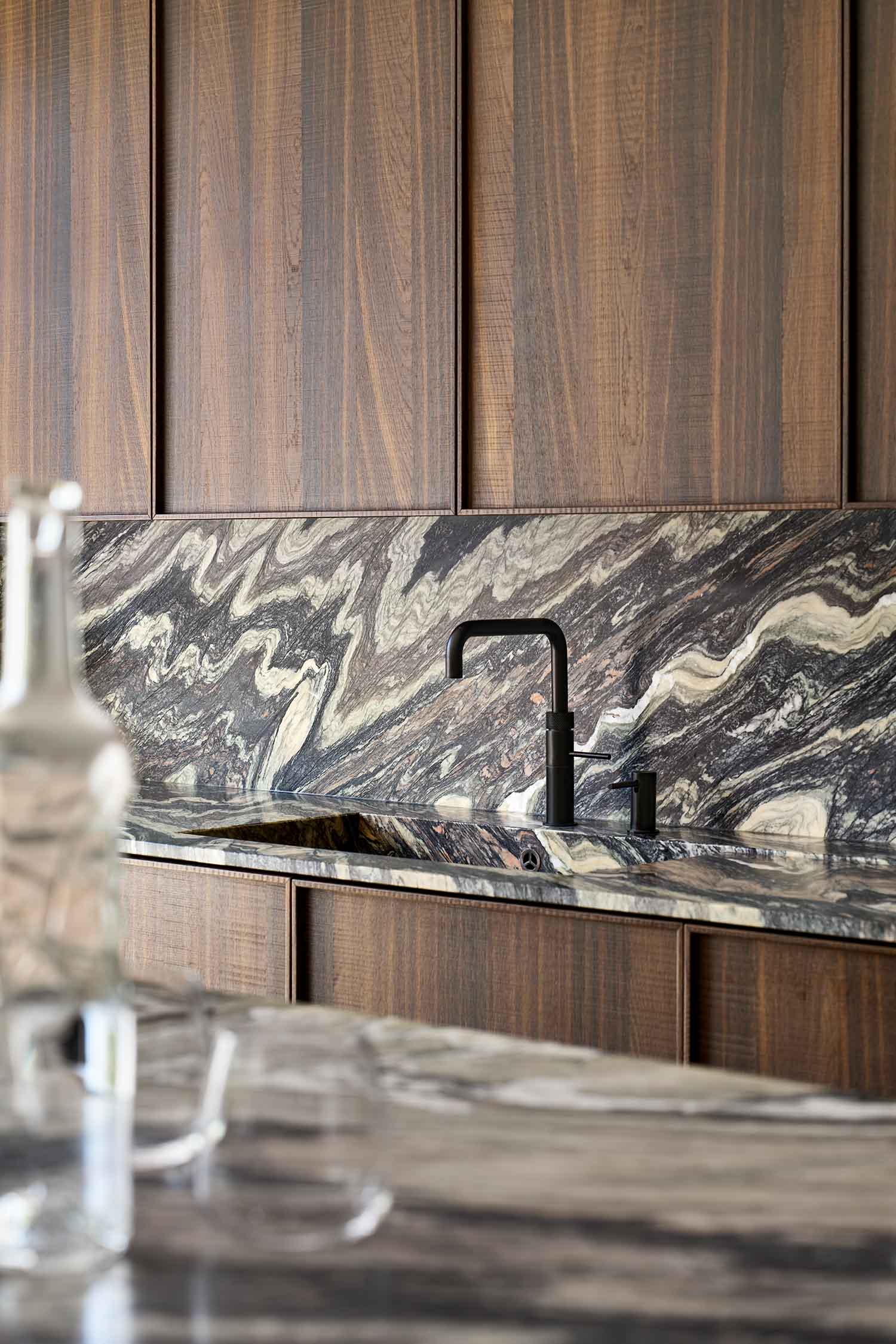
Even material choice affects how calm storage feels over time. Dark textured interiors, soft-close systems, integrated lighting and durable finishes all subtly change the experience of using the kitchen every day. We explored some of these surface and material considerations further in our kitchen materials guide.
None of these details are particularly dramatic on their own.
Together, though, they completely change how the kitchen feels to live with.
What people regret not including
One of the interesting things about kitchen projects is how rarely people regret the overall style.
The regrets are usually practical.
Not enough pantry space.
Too much open shelving.
Nowhere for bulky appliances.
Poorly positioned bins.
Shallow drawers.
Not enough charging space.
Worktops slowly becoming crowded because there was nowhere else for things to go.
And once those frustrations become part of daily life, they’re hard to ignore.
That’s why the best storage decisions are usually made early in the planning process, long before finishes and colours are finalised. It sits closely alongside the kind of early project thinking covered in how long a luxury kitchen project takes.
Because a kitchen that works well tends to age well too.
Why the best kitchens stay calm long after installation
The kitchens people continue loving years later are rarely the loudest ones.
They’re usually the calmest.
Not empty. Not cold. Just considered.
Everything feels easier in them. Quieter. Less cluttered. Less mentally demanding.
And most of that comes down to storage.
Not glamorous storage. Not gimmicks. Just thoughtful decisions about how the kitchen actually needs to function day after day.
That’s the thing good kitchen design often gets wrong in photographs.
The real success of a kitchen usually isn’t how it looks on the day it’s installed.
It’s how it still feels on an ordinary Tuesday morning three years later.
Frequently asked questions
What is the best storage for a luxury kitchen?
The best storage for a luxury kitchen is storage that reduces clutter, improves workflow and keeps everyday items easy to access without disrupting the design.
Are pantry rooms worth it?
Yes, pantry rooms are worth considering in larger kitchens, especially open-plan homes. They help keep bulk storage, breakfast items and preparation clutter away from the main kitchen space.
What is an appliance garage?
An appliance garage is a hidden cabinet area used to store small appliances such as coffee machines, toasters and mixers, keeping them accessible but out of sight.
Are deep drawers better than cupboards?
Deep drawers are often more practical than lower cupboards because they make it easier to see and reach cookware, crockery and everyday items.
How do minimalist kitchens stay clutter-free?
Minimalist kitchens stay clutter-free through careful storage planning, concealed appliances, hidden charging areas, deep drawers and well-positioned pantry storage.
Is open shelving practical in kitchens?
Open shelving can work in small amounts, but too much of it can create dust, clutter and visual noise. In luxury kitchens, it is usually best used selectively.